
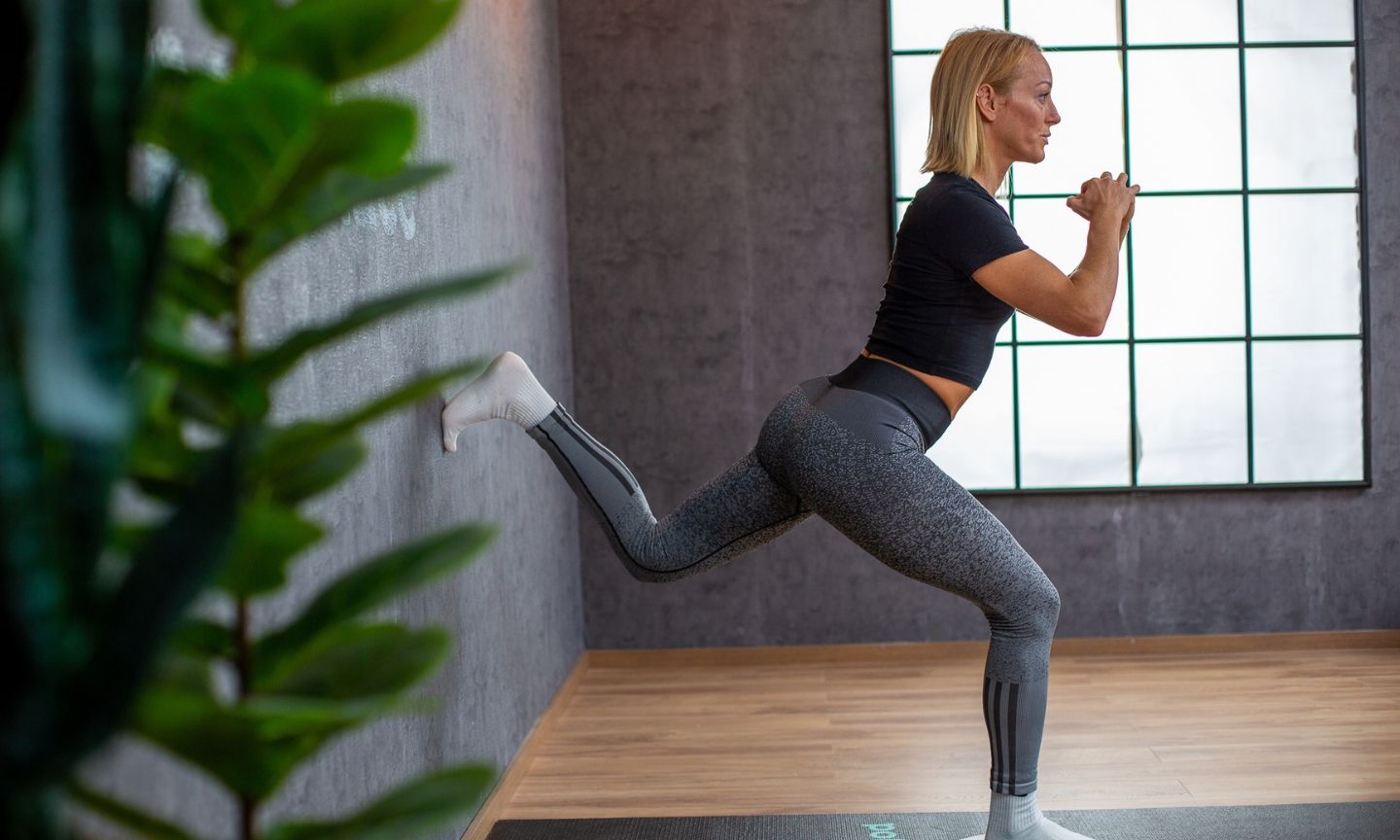
The best pole strength exercises train what pole asks for most: grip, the big back muscles, shoulders and core. You can do almost all of them at home without a pole, with your bodyweight, a towel and, if you have one, a pull-up bar. Below are ten exercises with how-to and why they help, plus a simple weekly plan you can adapt to your life.
Which muscles does pole dancing need?
Pole is a full-body sport, but a few areas do most of the work, especially once your feet leave the floor.
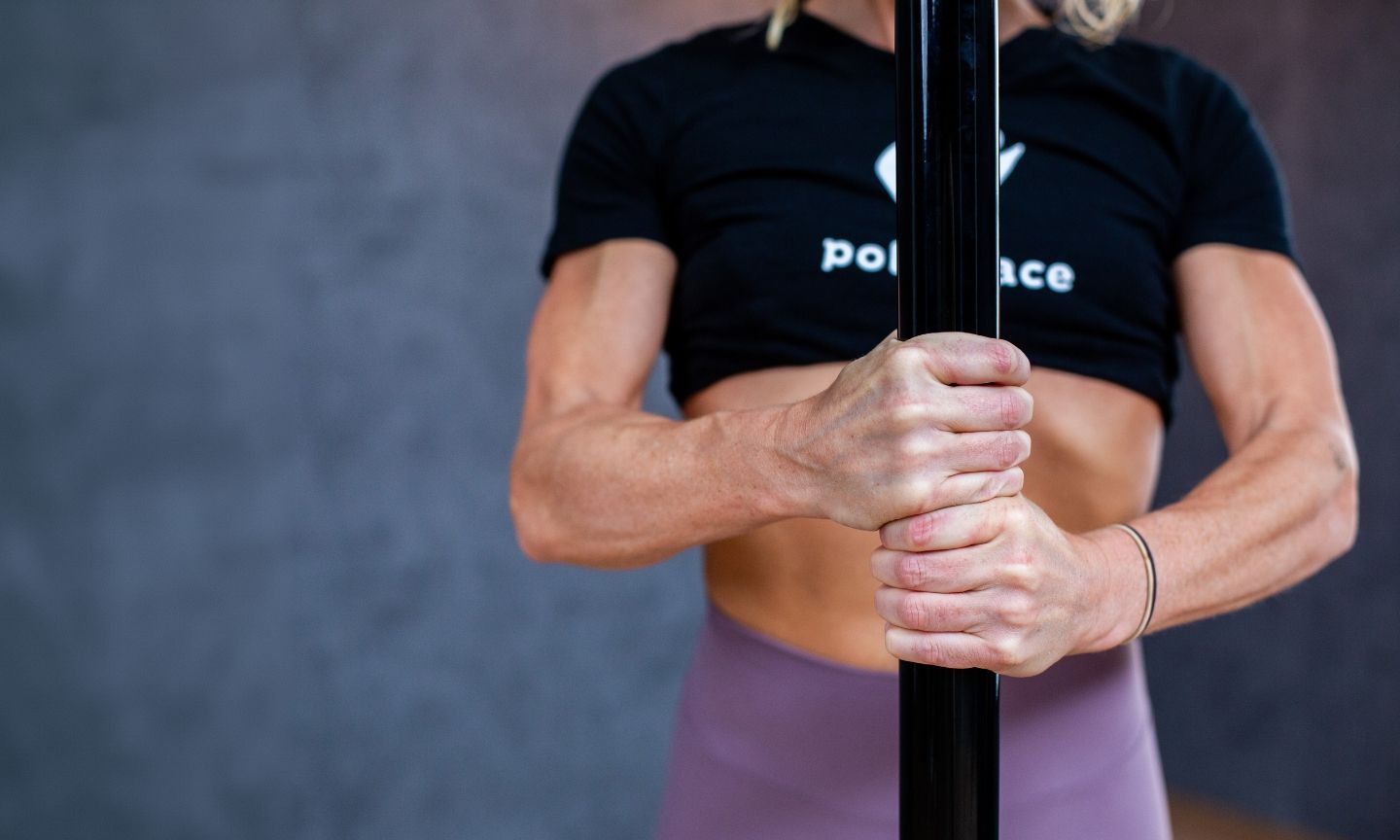
- Grip and forearms. Your hands hold you in spins, climbs and holds. Grip strength is often the first thing beginners notice is missing.
- Lats and upper back. The large muscles at the sides of your back pull you towards the pole and keep your shoulders stable when you hang.
- Shoulders. They have to be strong and stable in many positions: overhead, in front of you and behind you.
- Core. Your abs and the deep muscles around your trunk lift your legs, keep you compact in spins and are the key to your first invert.
- Glutes and legs. They grip the pole in holds like a knee hook and support your lower back.
- Wrists. They take your weight on the floor, in floorwork and later in handstands.
Training these areas off the pole is what pole dancers call conditioning. It does not replace practising on the pole, but it makes every session on it feel easier and safer.
Before you start: warm up and listen to your body
Warm up for a few minutes before every strength session: circle your wrists, shoulders and hips, march on the spot, do a few easy squats. Our warm-ups and cool-downs give you guided routines for this. Work slowly and with control, and stop if something hurts sharply. Muscle effort and a burning feeling in the muscle are normal, pain in a joint is not. If you have an injury, are pregnant or have a health condition, talk to your doctor or physio before you start a new training routine.
10 pole strength exercises you can do at home
1. Dead hang (if you have a bar)
How: Hang from a pull-up bar with both hands, shoulder-width apart, arms straight. Keep your legs together and your body calm. Start with short holds and step down before your grip gives way.
Why: It is the closest thing to holding the pole without a pole. Your hands, forearms and shoulders get used to carrying your body weight.
2. Scapula pulls (if you have a bar)
How: From a dead hang, keep your arms straight and pull your shoulder blades down and slightly together, so your body rises a little. Then lower back down slowly. Small movement, full control.
Why: This teaches “active shoulders”, the shoulder position you want in almost every hold and climb. It protects your shoulders and prepares the lats for pulling.
3. Hollow body hold
How: Lie on your back, press your lower back into the floor, lift your shoulders and legs slightly off the ground and reach your arms forward or overhead. Bend your knees to make it easier. Hold, breathe, rest.
Why: The hollow body is the core shape behind compact spins and inverts. It teaches you to keep your trunk strong and connected instead of arching.
4. Tuck-ups
How: Sit on the floor, lean back on your forearms or hands, lift your feet and pull your knees towards your chest. Extend your legs out again without letting your feet touch the floor, then tuck again.
Why: Pulling your knees in is the same motion you use to tuck into a spin and later to bring your legs up into an invert.
5. Push-ups
How: Hands under your shoulders, body in one line from head to heels or from head to knees. Lower your chest towards the floor and push back up. Start against a wall or a table if the floor is too much.
Why: Push-ups strengthen chest, arms and the front of your shoulders. Spins and holds use pushing as much as pulling, especially your bottom hand in a spin grip.
6. Pike hold
How: Start on hands and feet with your hips high, so your body forms an upside-down V. Shift your weight towards your hands, push the floor away and hold. Keep your head between your arms.
Why: It builds overhead shoulder strength and gets your wrists and shoulders used to carrying weight upside down. It is a great first step towards handstands, which you can take further in the 20-Day Handstand Challenge.
7. Wrist conditioning
How: On hands and knees, rock gently forward and back over your hands. Turn your fingers to the sides, then towards your knees, and rock again. Finish with gentle wrist circles and a few lifts onto your fingertips.
Why: Your wrists work in floorwork, in many transitions and in every handstand. Slowly getting them used to load is easier than recovering from a sore wrist.
8. Glute bridge
How: Lie on your back with knees bent and feet flat. Press through your heels and lift your hips until your body forms a line from shoulders to knees. Pause, then lower slowly. Try it on one leg once two feels easy.
Why: Strong glutes support your lower back and help you hold the pole with your legs. They also make floorwork shapes like body waves look stronger.
9. Side plank
How: Lie on your side, forearm under your shoulder, and lift your hips so your body forms a straight line. Bend your bottom knee to make it easier. Hold and switch sides.
Why: It trains the sides of your core and the stability of your shoulder. Many spins and holds ask you to stay strong while your body is turned or leaning away from the pole.
10. Towel grip
How: Without a bar: twist a towel tightly as if wringing it out, then switch directions. Or squeeze a rolled towel hard for a few seconds and release. With a bar: hang a towel over it and hold both ends for short hangs.
Why: A towel is thicker and less stable than a bar, which makes your fingers and forearms work harder. It is a simple way to train the grip that holds you in spins. For a guided plan, try the Grip Strength Challenge.
A sample weekly plan
This is a general example, not a fixed prescription. Adjust it to your level and your week, and keep at least one rest day between two hard sessions for the same muscles. Choose a few sets per exercise and stop each set while your form is still clean.
| Day | Focus | Exercises |
|---|---|---|
| Monday | Upper body and grip | Dead hang or towel grip, scapula pulls, push-ups, wrist conditioning |
| Tuesday | Pole practice or rest | Your pole class, or a walk and stretching |
| Wednesday | Core | Hollow body hold, tuck-ups, side plank, glute bridge |
| Thursday | Rest | Gentle mobility or a cool-down routine |
| Friday | Full body | Pike hold, push-ups, tuck-ups, towel grip, glute bridge |
| Saturday | Pole practice | Spins, floorwork or your current course class |
| Sunday | Rest | Recover |
If you train on the pole a lot, your grip and shoulders already work hard there. In that case, keep the grip and hanging exercises light on pole days and put your strength sessions on the days in between.
How do you keep your strength training safe?
- Quality before quantity. A few clean repetitions help more than many sloppy ones.
- Progress slowly. Make one thing harder at a time: a longer hold, one more repetition or a harder version.
- Mind your joints. Arms long but not locked out in hangs, wrists warmed up before any weight on your hands.
- Rest is training. Muscles, tendons and skin adapt in the breaks between sessions.
- Stop with sharp pain. If pain keeps coming back, get it checked by your doctor or a physio before you continue.
FAQ
Can I build pole strength without a pole?
Yes. Most of the strength pole needs comes from your grip, back, shoulders and core, and you can train all of them with bodyweight exercises at home. Practising on the pole is still what teaches you technique.
How often should I do pole strength exercises?
Two to three short sessions a week work well for many beginners. Leave rest days in between, especially if you also train on the pole.
What is the best exercise for grip strength?
Hanging from a bar is the most pole-like option. Without a bar, towel twists and squeezes are a good start, and the Grip Strength Challenge gives you a guided plan.
Which exercises help with my first invert?
Core work like hollow body holds and tuck-ups, plus shoulder and back exercises like scapula pulls. Your invert also needs technique, so learn it step by step with a coach or a course.
Do I need weights or equipment?
No. Your bodyweight, a towel and a mat are enough. A pull-up bar is a nice extra for hangs, but not a must.
What next?
Want guided sessions instead of planning them yourself? Our Strength Workouts give you follow-along conditioning classes for pole. If you are new to pole, start with the 12-Week Starter Course: your first 7 days are free.
What next?
Start with Class 1 of our 12-Week Starter Course. Every move is taught with our Floor-Stand-Air Method™: on the floor first, then standing, then in the air.