The Russian Layback, explained
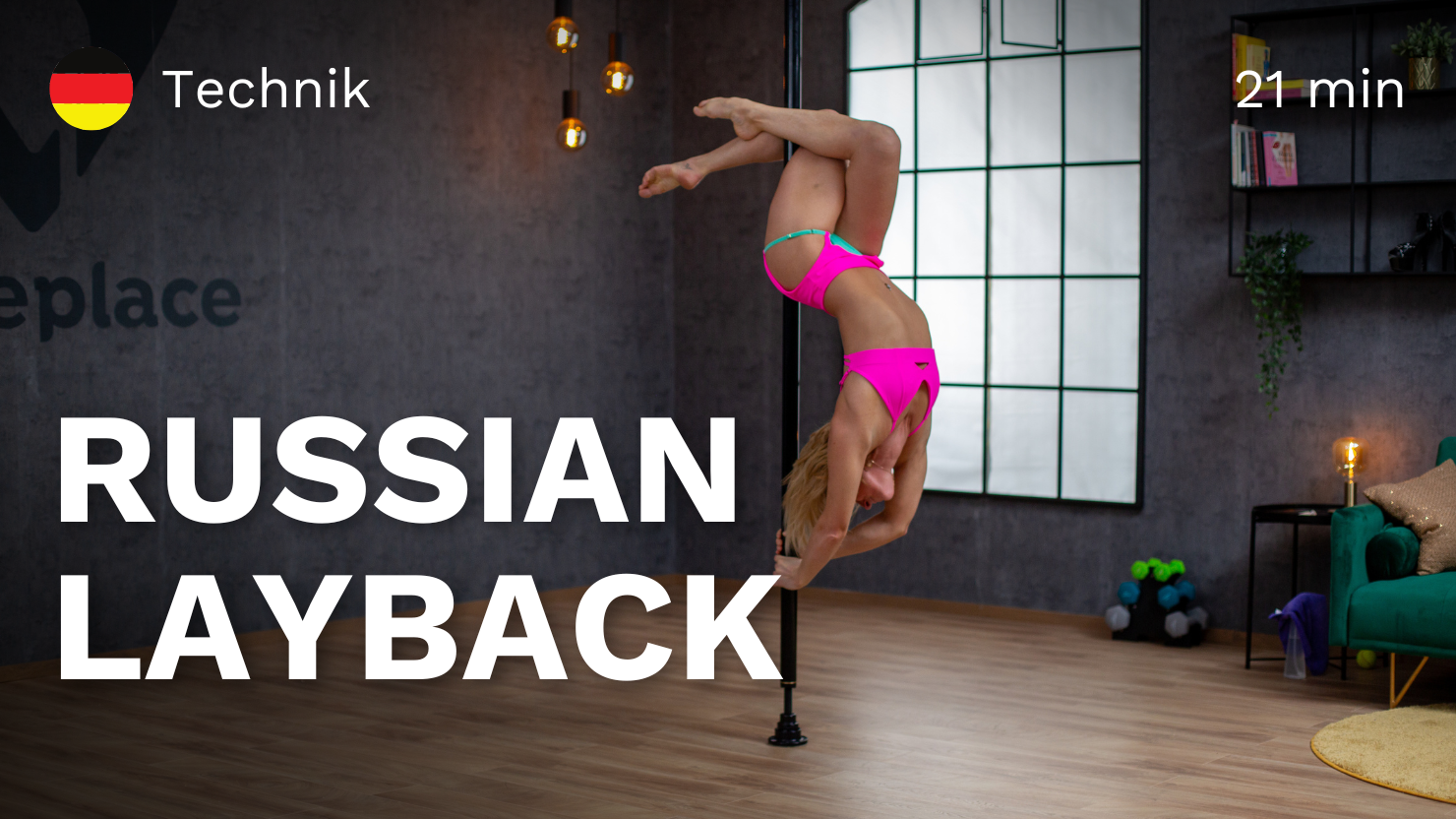
The Russian Layback is an inverted pole hold where your legs wrap and twist around the pole while your upper body leans back and away. It is one of those shapes that makes people stop scrolling: playful, a little dramatic, and a beautiful way to show your back and shoulders. When you reach it, it usually means your upside-down foundations have come a long way.
What is a Russian Layback in pole dance?
In a Russian Layback pole hold, you are upside down and your legs, crossed and hooked around the pole, are what keep you there. Your torso leans back from the pole, often with an arch through the back, and your arms can reach towards the pole or the floor depending on the variation. The legs are the twisty part, which is where the move gets its character, and what makes it look so different from a classic layback.
Is the Russian Layback for beginners?
It is usually an intermediate pole dance move, because you need to be comfortable upside down first. That does not mean you have to be an expert, only that it builds on skills you collect along the way. If the leg position feels confusing the first few times, that is completely normal. Twisted shapes take a moment for your brain to map, and once it clicks, it tends to stay.
What it builds: grip, strength and flexibility
The Russian Layback trains leg grip and the strength in your legs that holds you inverted. Your core and arms help you get in and out with control. Some openness in your back and shoulders makes the shape feel more natural and look longer, and it is something that develops gradually. Skin contact matters a lot here, so shorts or bare legs and no body lotion on training days are your best friends.
Static or spinning pole?
On a static pole, the hold stays still, which gives you time to feel your leg position and breathe. On a spinning pole, the Russian Layback becomes a slow, flowing rotation and is a favourite in spinning combos. Most dancers start on static and move to spinning once the hold feels familiar.
How you learn it at POLEPLACE
At POLEPLACE, you learn the Russian Layback with the Floor-Stand-Air Method™: you explore the leg position on the floor first, practise the shape while standing, and only then take it into the air. That way the twist is already familiar before you are upside down. The tutorial covers all the details, so you can trust the process and go at your own pace.
What to learn before and after
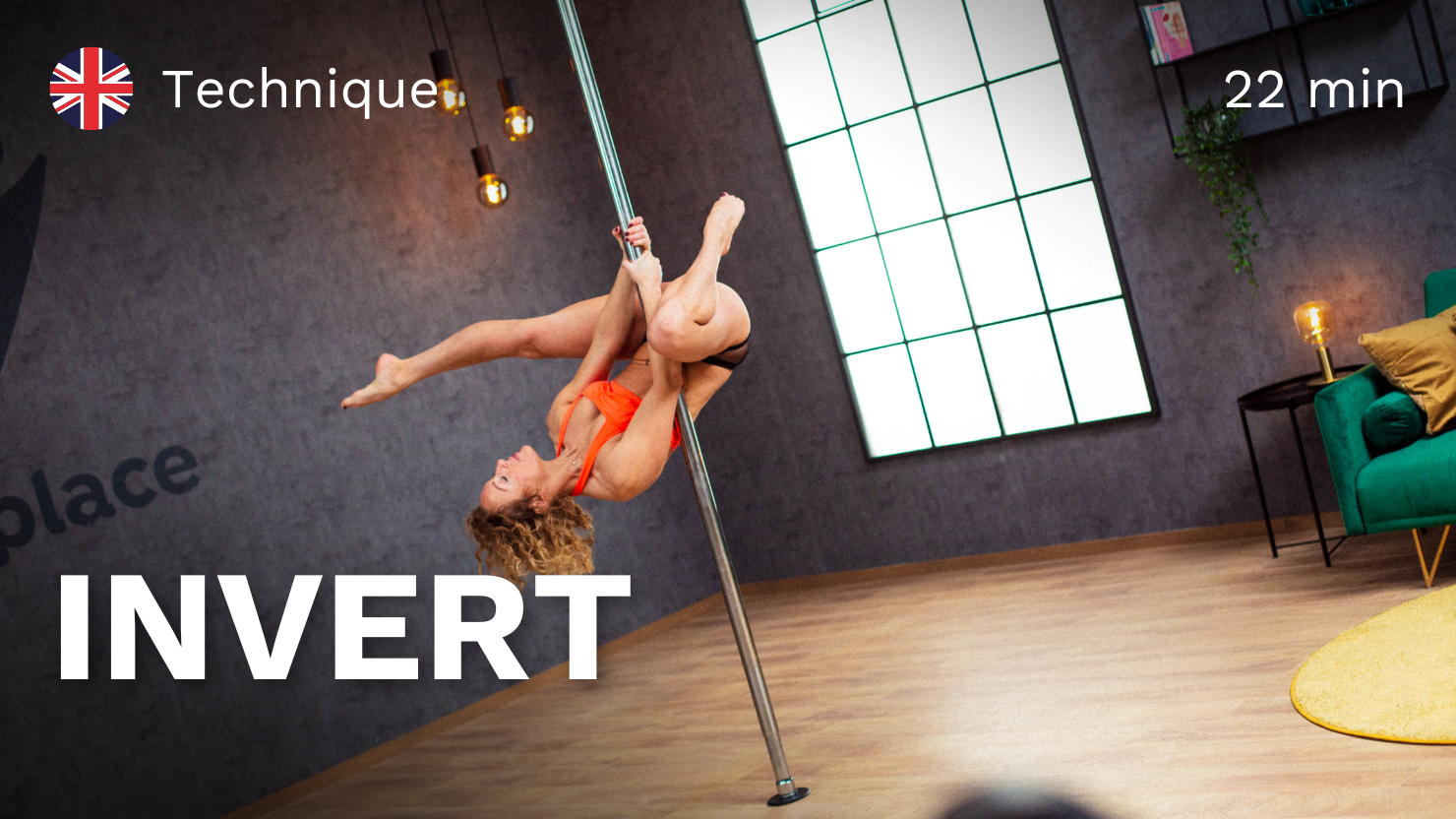
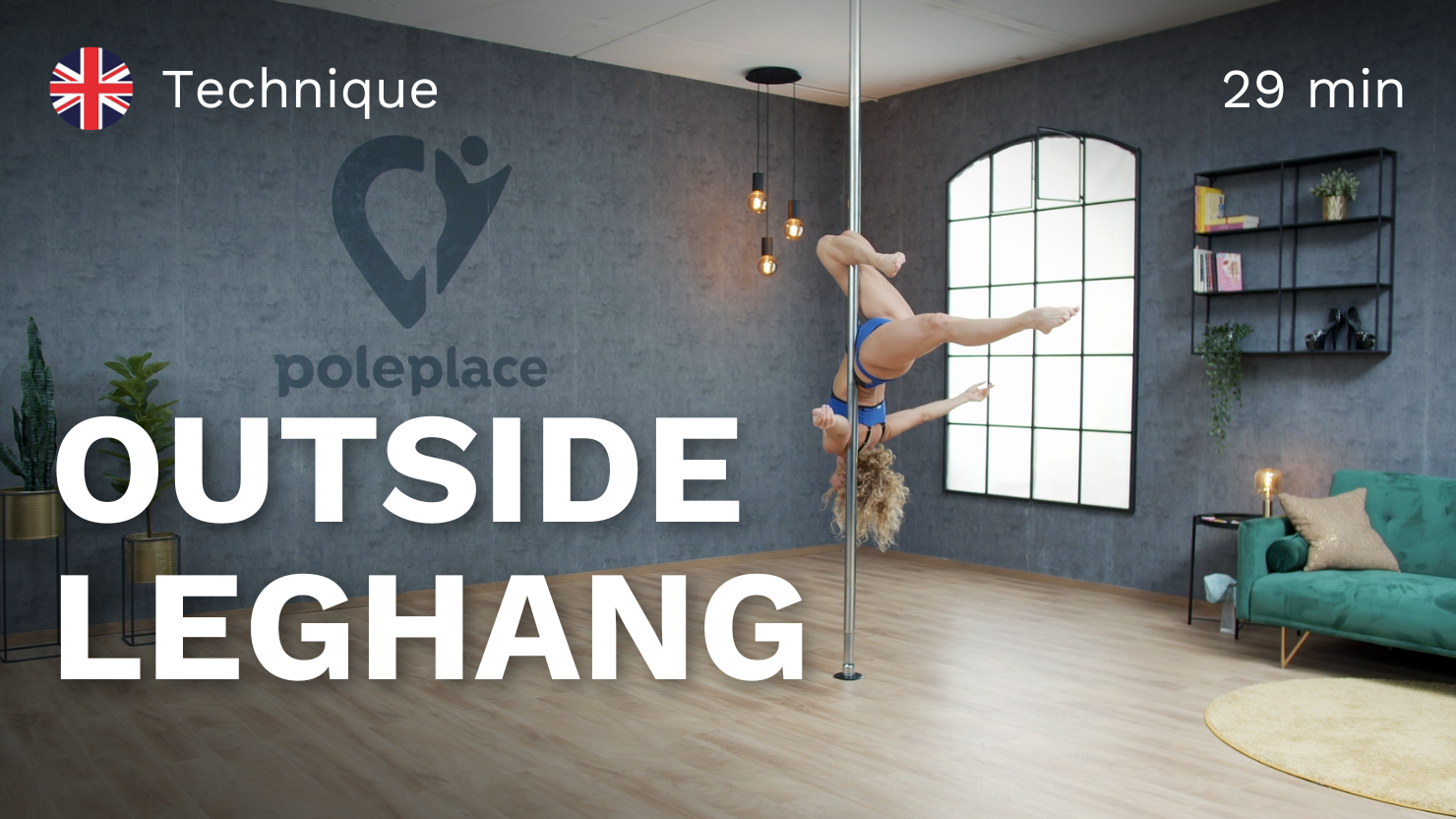
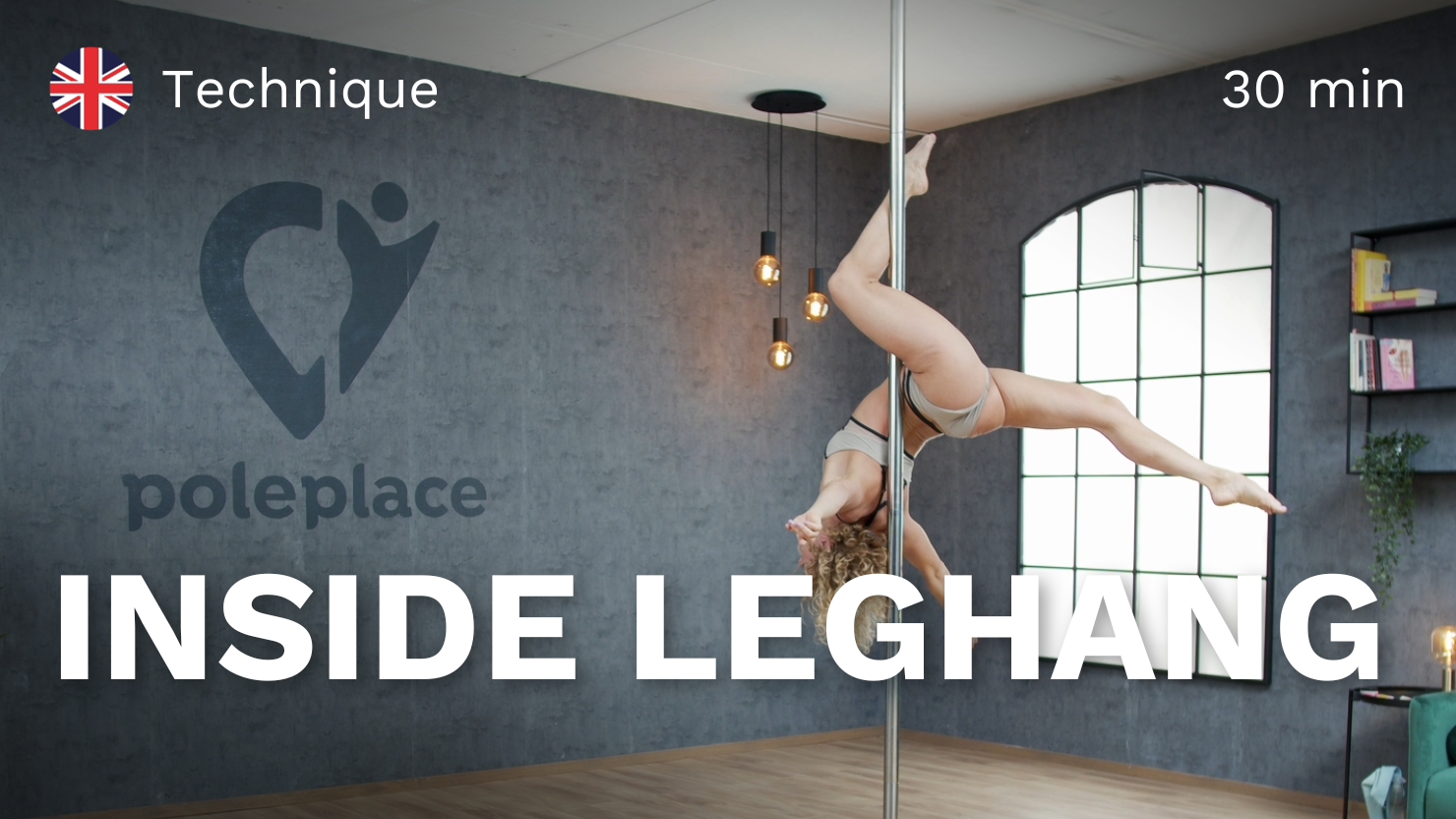
Before this hold, a solid Invert and leg hangs like the Outside Leghang and Inside Leghang are helpful, because they get you used to being held by your legs upside down. After it, the Russian Layback Seat is a natural next step, and the layback itself links beautifully into combos and transitions. Every new inverted hold makes your pole vocabulary a little richer.