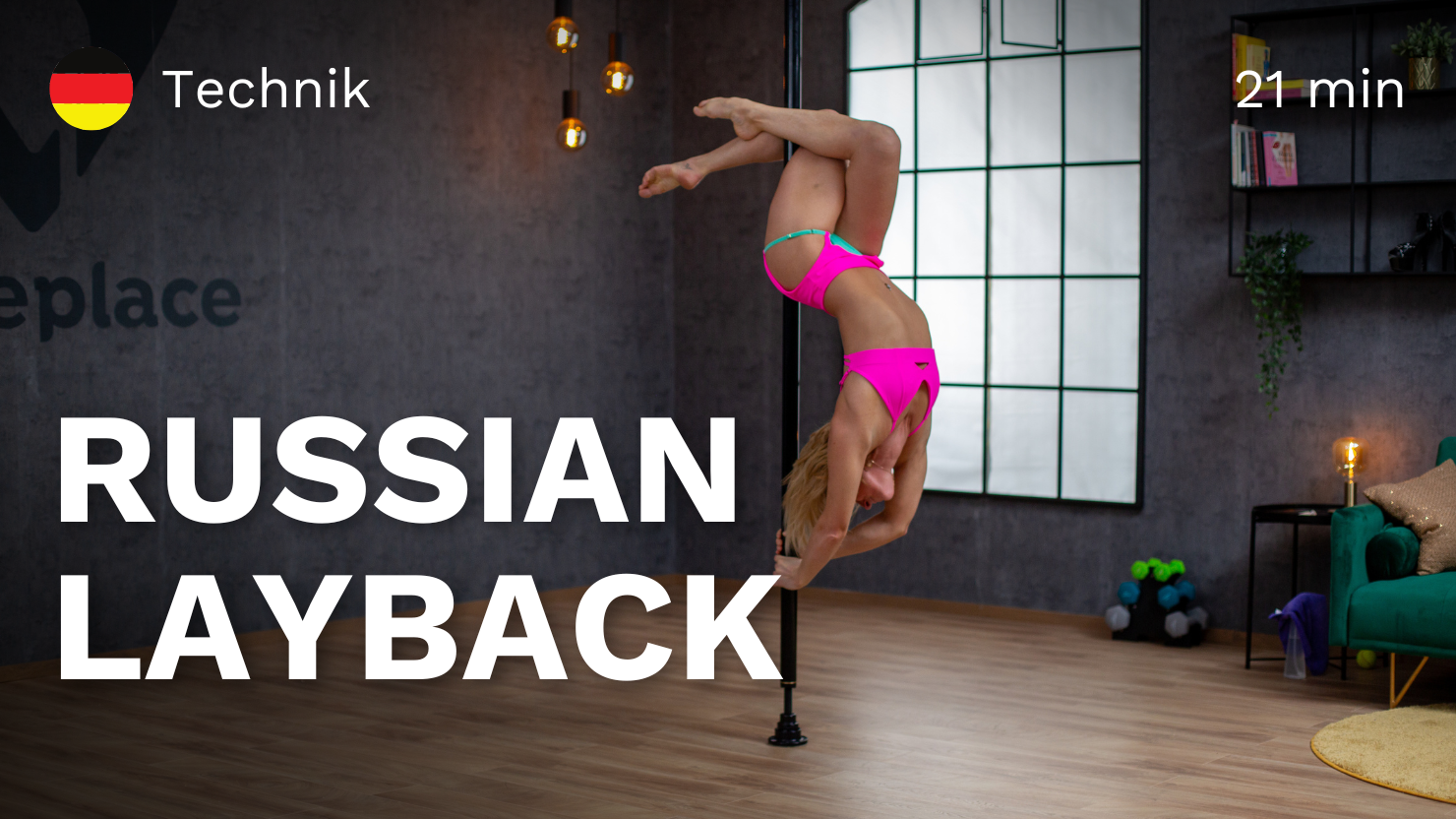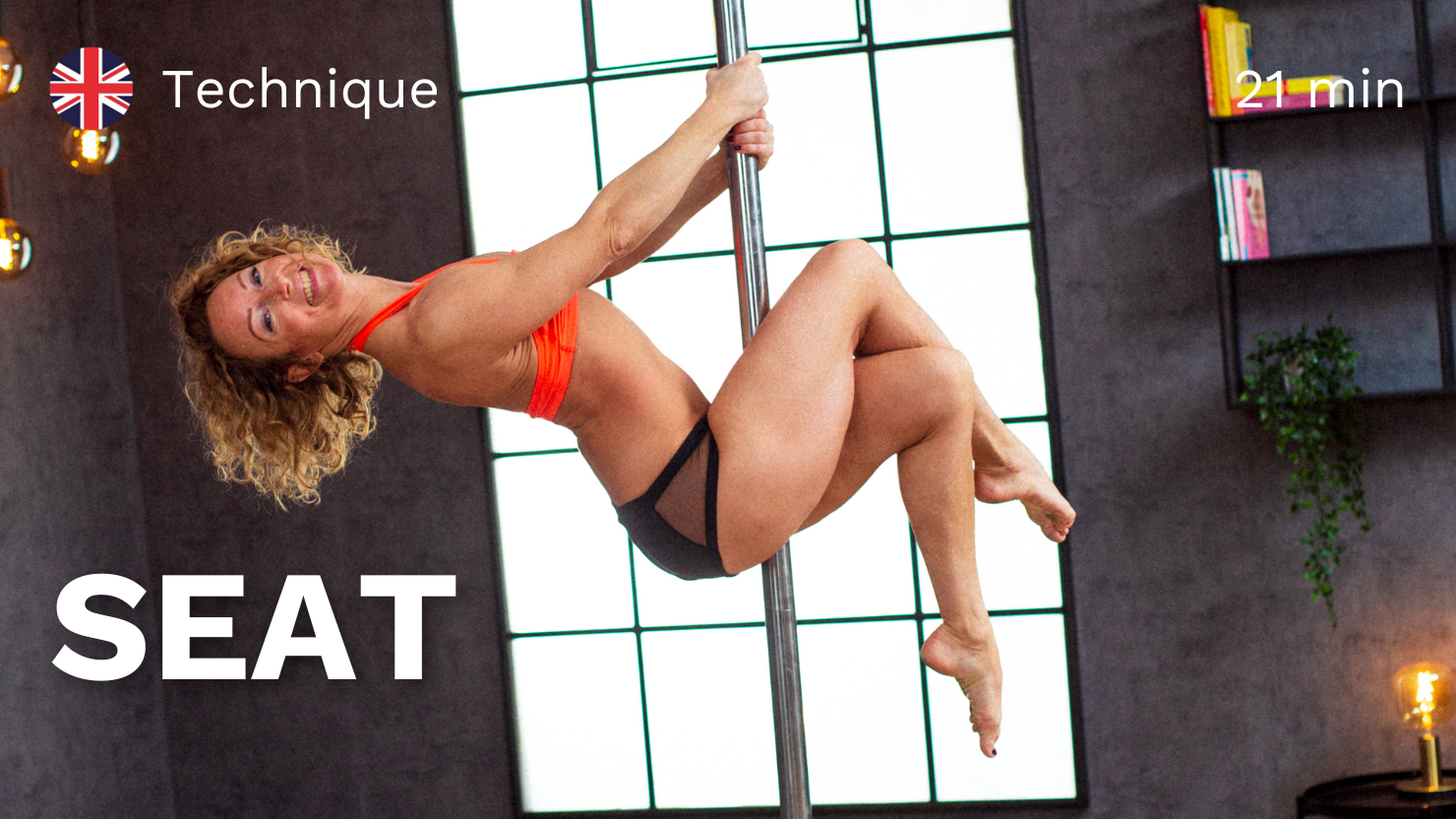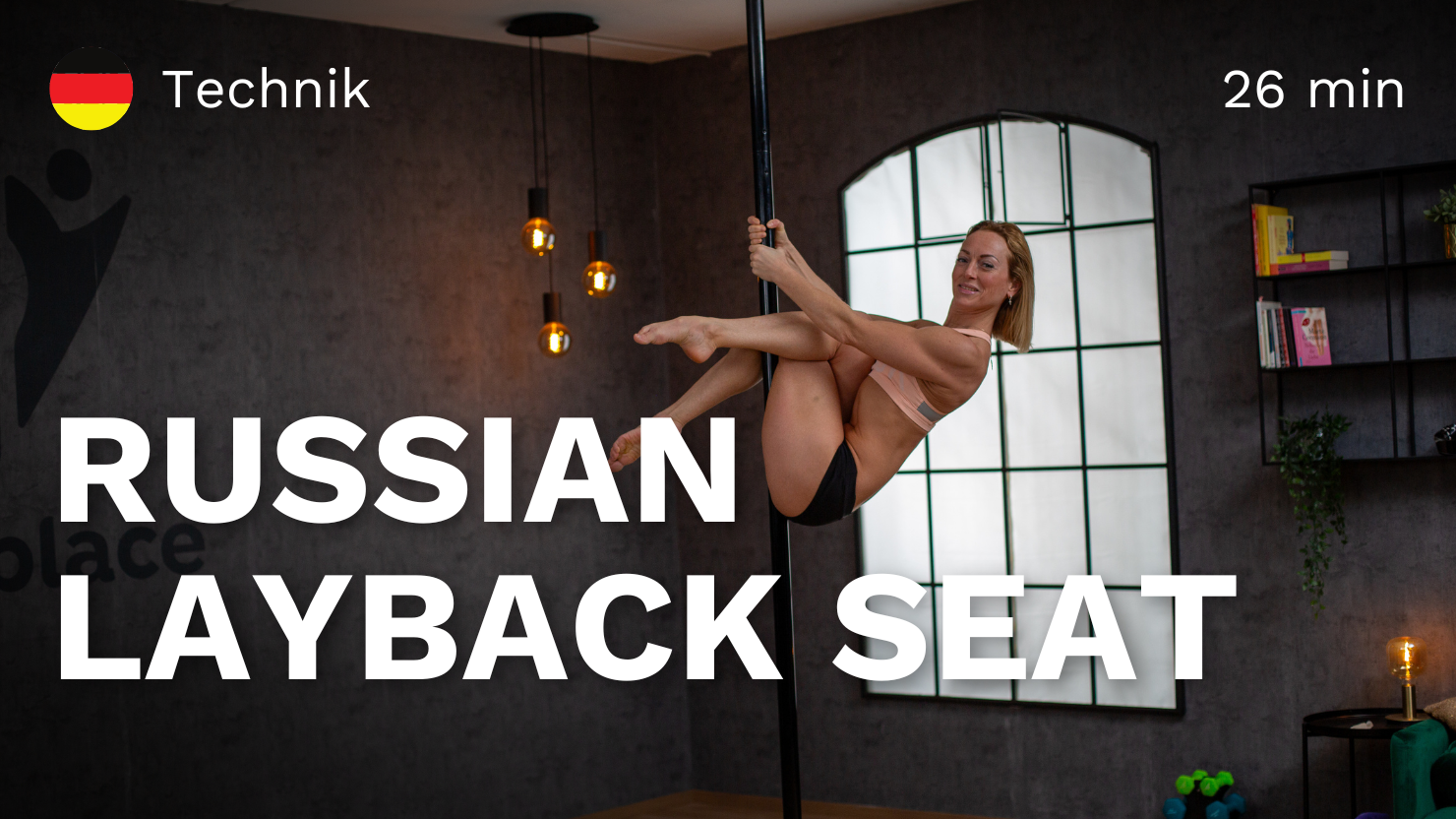
The Russian Layback Seat, explained
The Russian Layback Seat is a hold with a lot of character. Your legs wrap around the pole and hold you, and your upper body leans away from it in a long, open line. It looks dramatic and relaxed at the same time, which is exactly its charm.
What is the Russian Layback Seat?
The Russian Layback Seat is a variation that is closely related to the Russian Layback. Like its sibling, it uses wrapped, crossed legs to hold you on the pole while your body leans back, but it has its own seated leg position. How your legs are placed, how you lean back and how you come out safely is explained step by step in the tutorial, which is taught in German.
Is the Russian Layback Seat good for beginners?
It is an intermediate move. A secure Pole Sit and some experience with holds where your legs do the work are a good base. If the leg position confuses you the first few times, that is completely normal: twisted shapes take your brain a moment to sort out, and once they click, they usually stay.
Static or spinning pole?
Most dancers get to know it on a static pole, where the shape stays still while you learn the leg position. On a spinning pole the hold turns with you, which looks beautiful in a flow.
What it builds: leg grip, strength and openness
The Russian Layback Seat strengthens your leg grip and the muscles that keep you on the pole. Your core helps you lean back with control and come up again. Some openness in the back and shoulders makes the line look natural, and it grows over time. Skin contact is very important here: shorts or bare legs, and no body lotion on training days.
How you learn it at POLEPLACE
With the Floor-Stand-Air Method™ you get to know the leg position on the floor first, prepare it standing at the pole and only then lean back in the air. Step by step, in your own space and at your own pace.
Related moves and what comes next
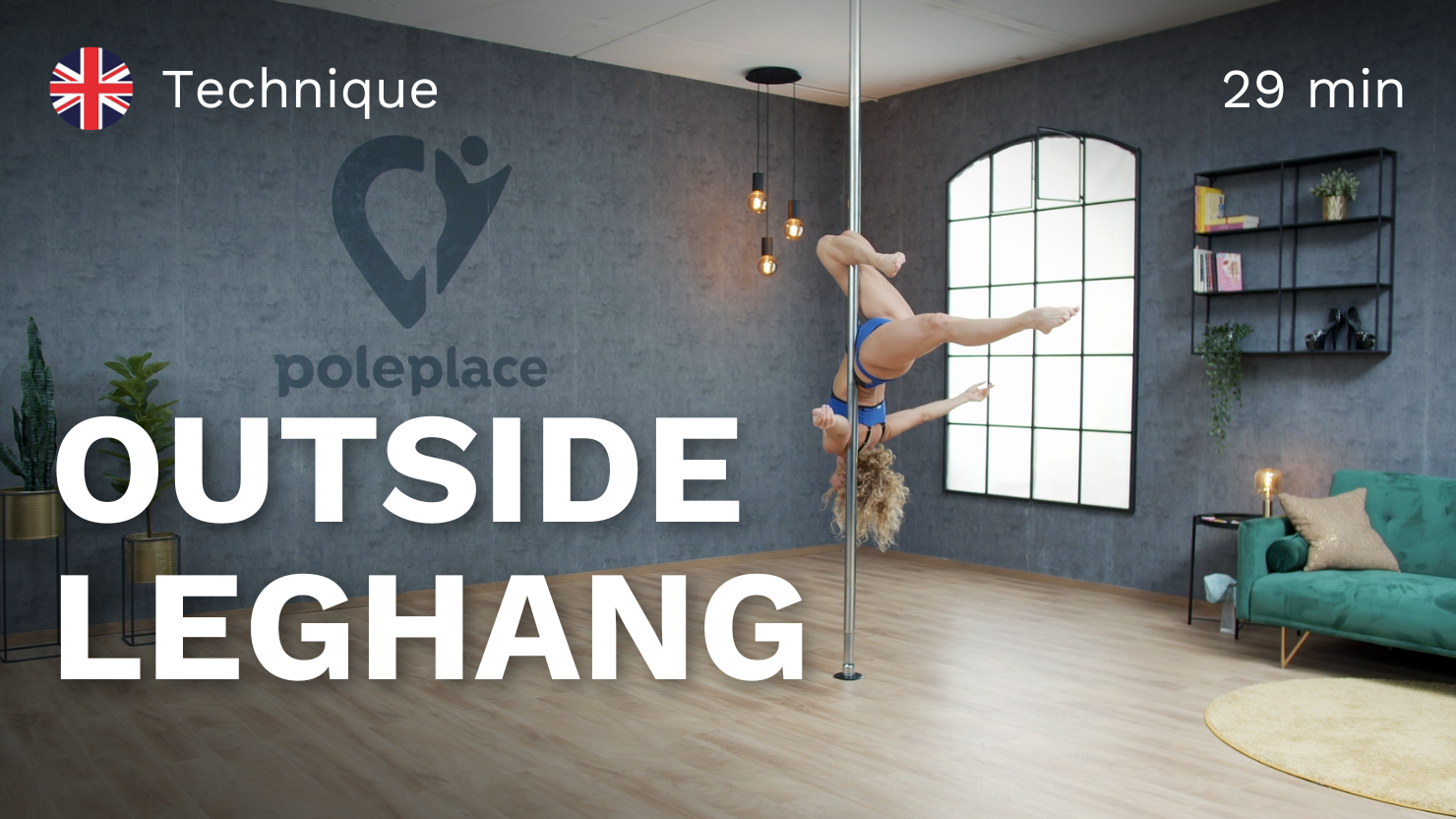
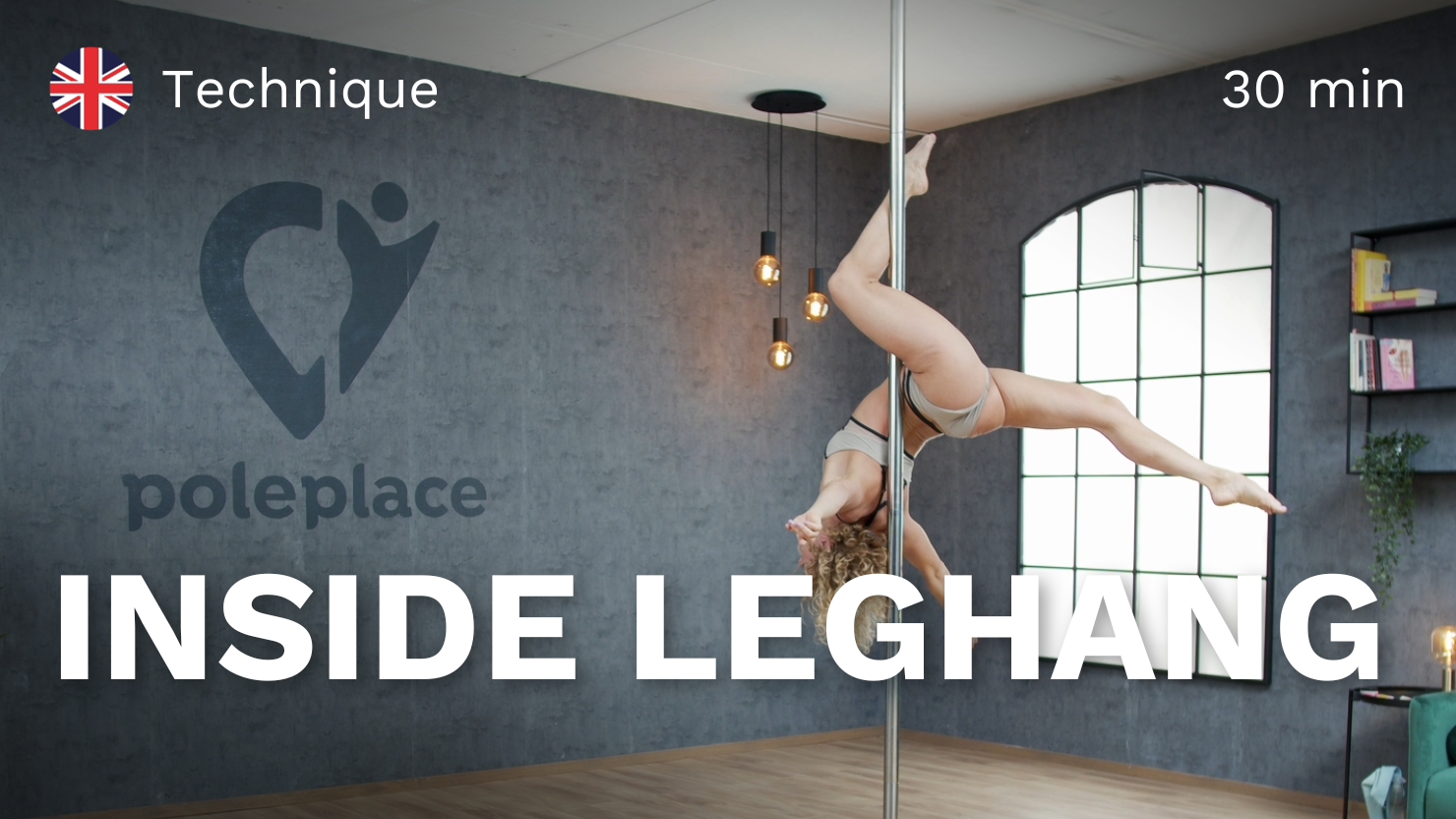
The Russian Layback Seat sits nicely next to the Russian Layback itself. If you enjoy leg holds, the Outside Leghang and the Inside Leghang are great moves to explore.