The Inside Leghang, explained
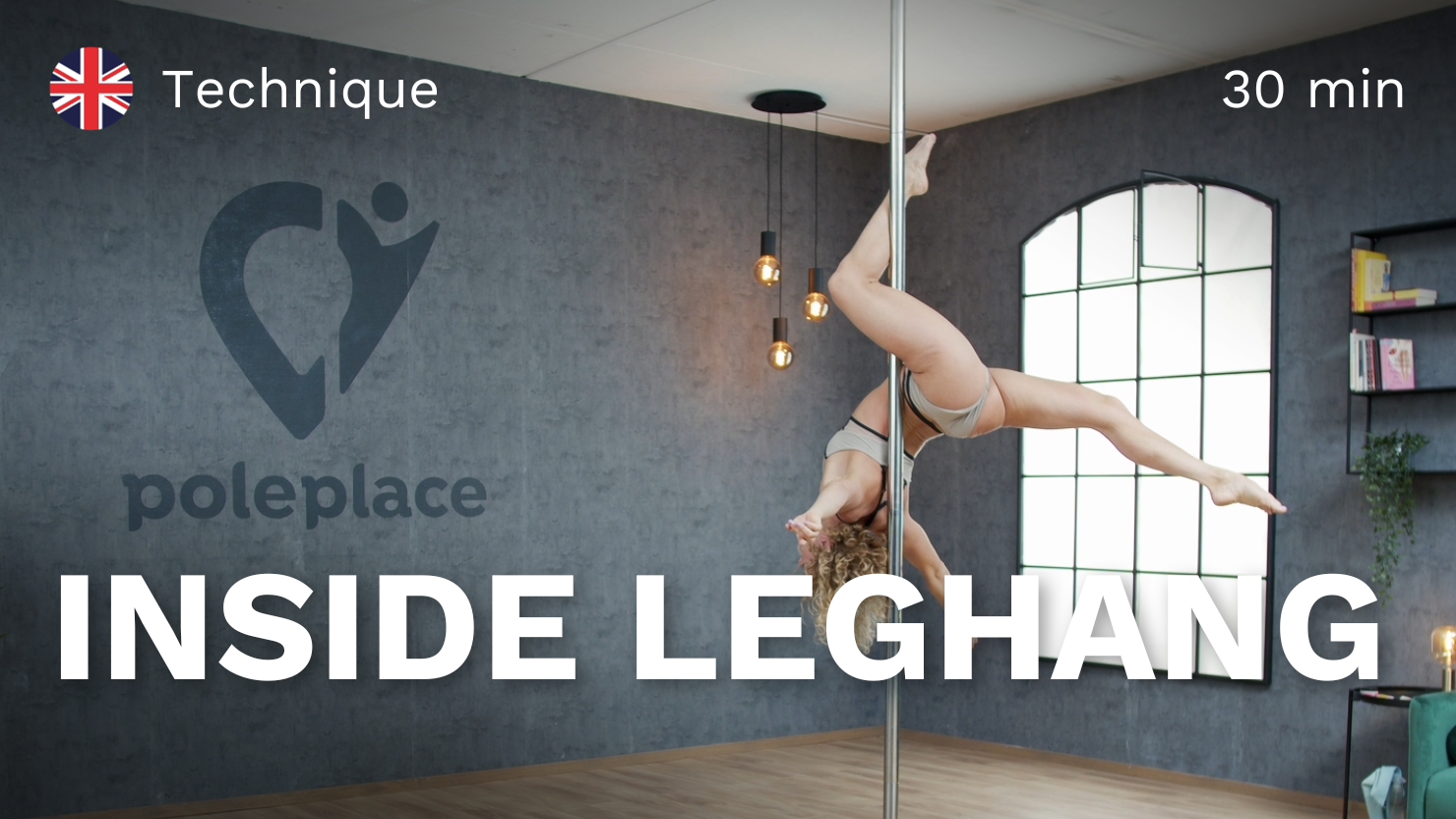
The Inside Leghang is an upside-down hang where the knee of your inside leg holds you on the pole. You will also find it spelled Inside Leg Hang. It is one of those pole moments that looks impossibly elegant from the outside and feels like a real breakthrough the first time you find it yourself.
What is an Inside Leghang in pole dance?
In an Inside Leghang pole hold, you are inverted and the pole sits in the knee pit of your inside leg, the leg closest to the pole. Your body opens away from the pole and your free leg can reach long towards the floor or play with other shapes. Compared with the Outside Leghang, the line is often more open and stretched, which is a big part of why it looks so striking.
Is the Inside Leghang good for beginners?
It usually comes after you have a confident invert, so it sits at an intermediate level for most dancers. And if it feels awkward at first, that is part of the process. The inside hook asks your hip and knee to work in a way that is new for most bodies, so it is completely normal if one side feels easier, or if it takes a few sessions until the hang feels calm.
What it builds: grip, strength and flexibility
This hang trains a strong knee grip and the muscles around your hip and the back of your leg. Your core and upper body help you stay in control while you get into and out of the shape. Some openness in the hips helps the line look and feel longer, and that grows over time. As with every leg hang, bare legs and no body lotion before training make a real difference to your skin grip.
Static or spinning pole?
On a static pole, the Inside Leghang is calm and still, a good place to feel the hook and breathe. On a spinning pole, the hang turns into a slow, floating rotation. That is beautiful, but it also adds a new sensation, so most dancers try it once the static version feels settled.
How you learn it at POLEPLACE
At POLEPLACE, every move follows the Floor-Stand-Air Method™. For the Inside Leghang, that means you first get to know the leg position on the floor, then practise the shape standing, and only then take it into the air. Your tutorial walks you through the exact details, so you can focus on how it feels.
What to learn before and after
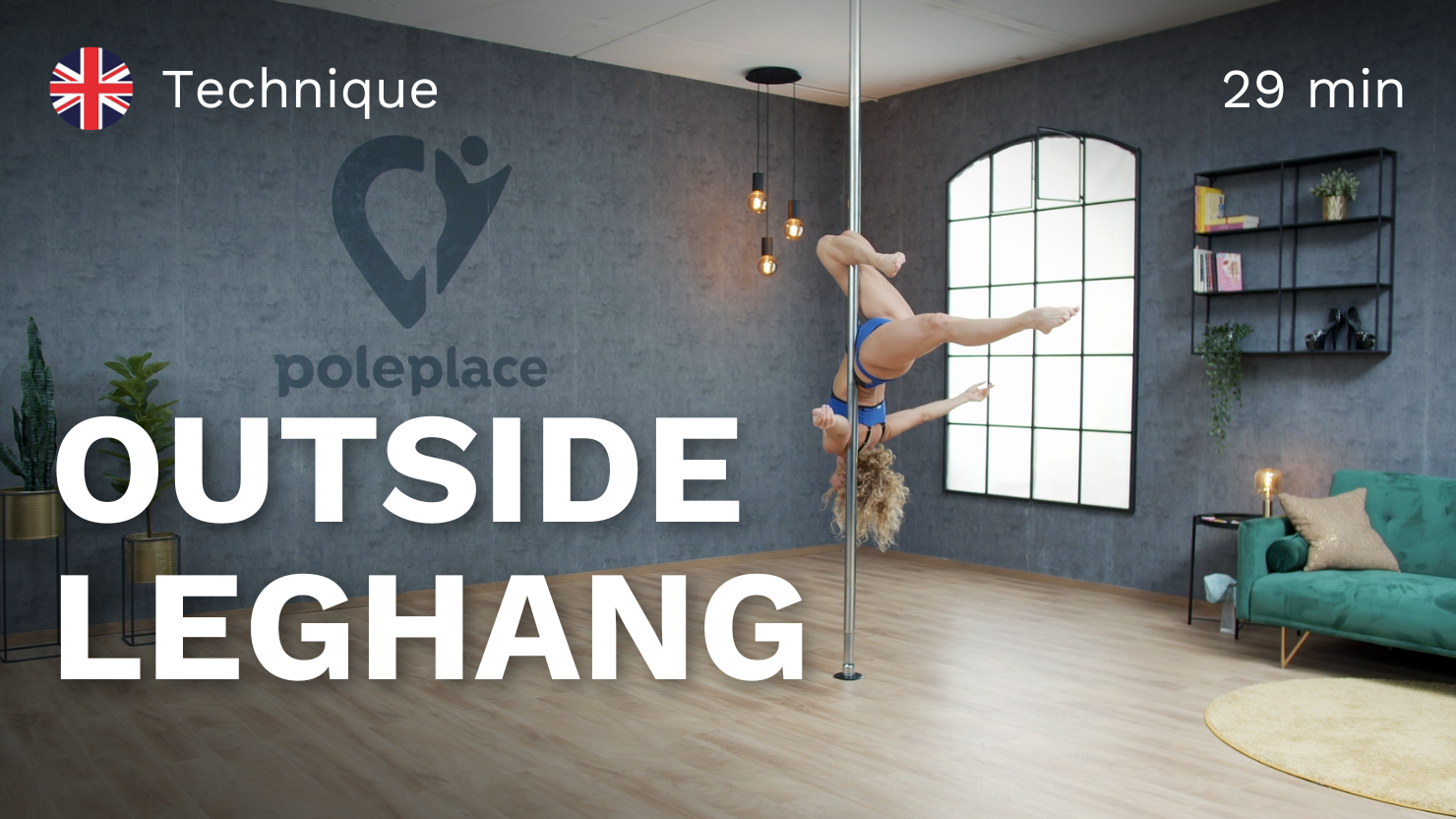
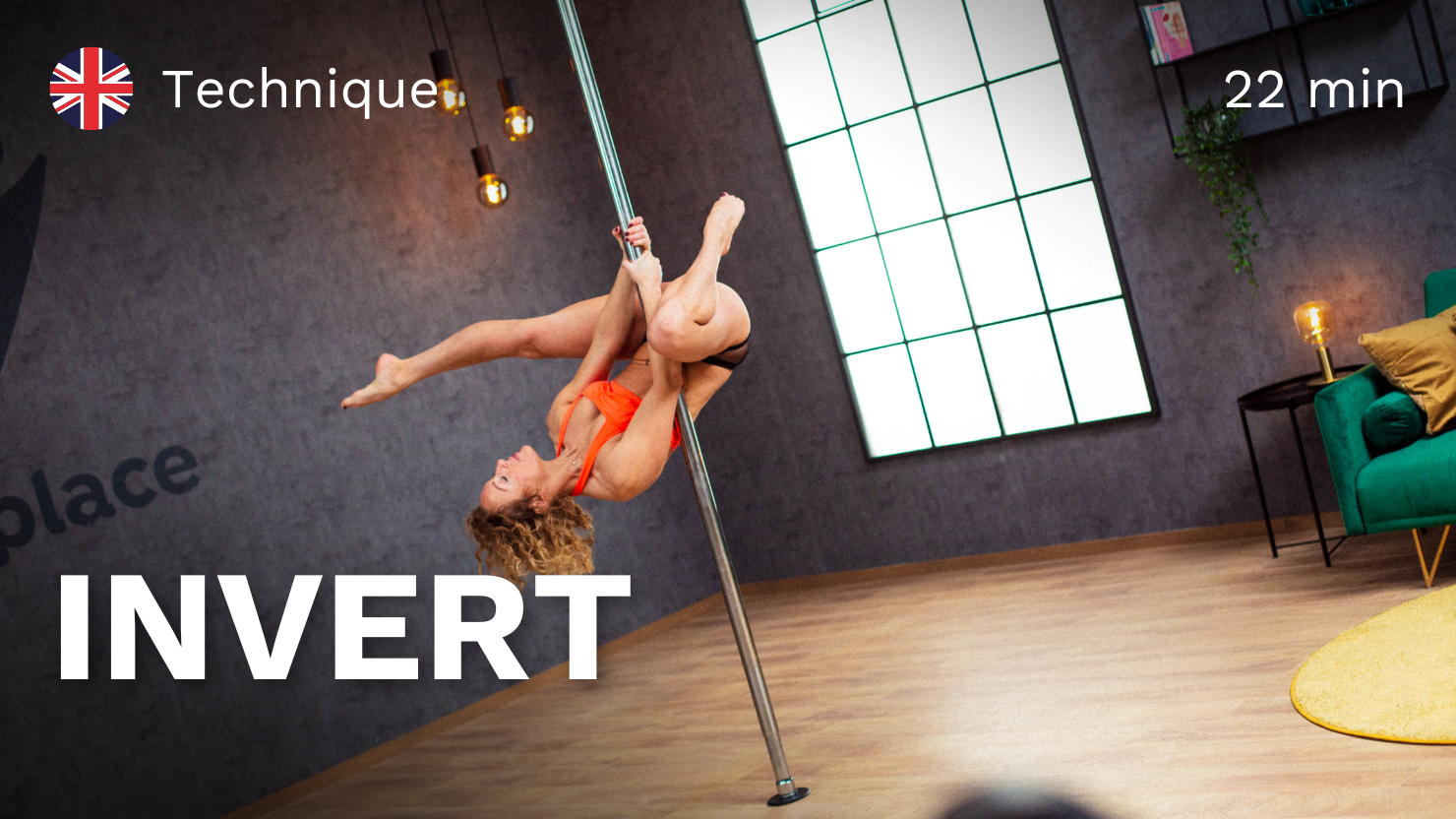
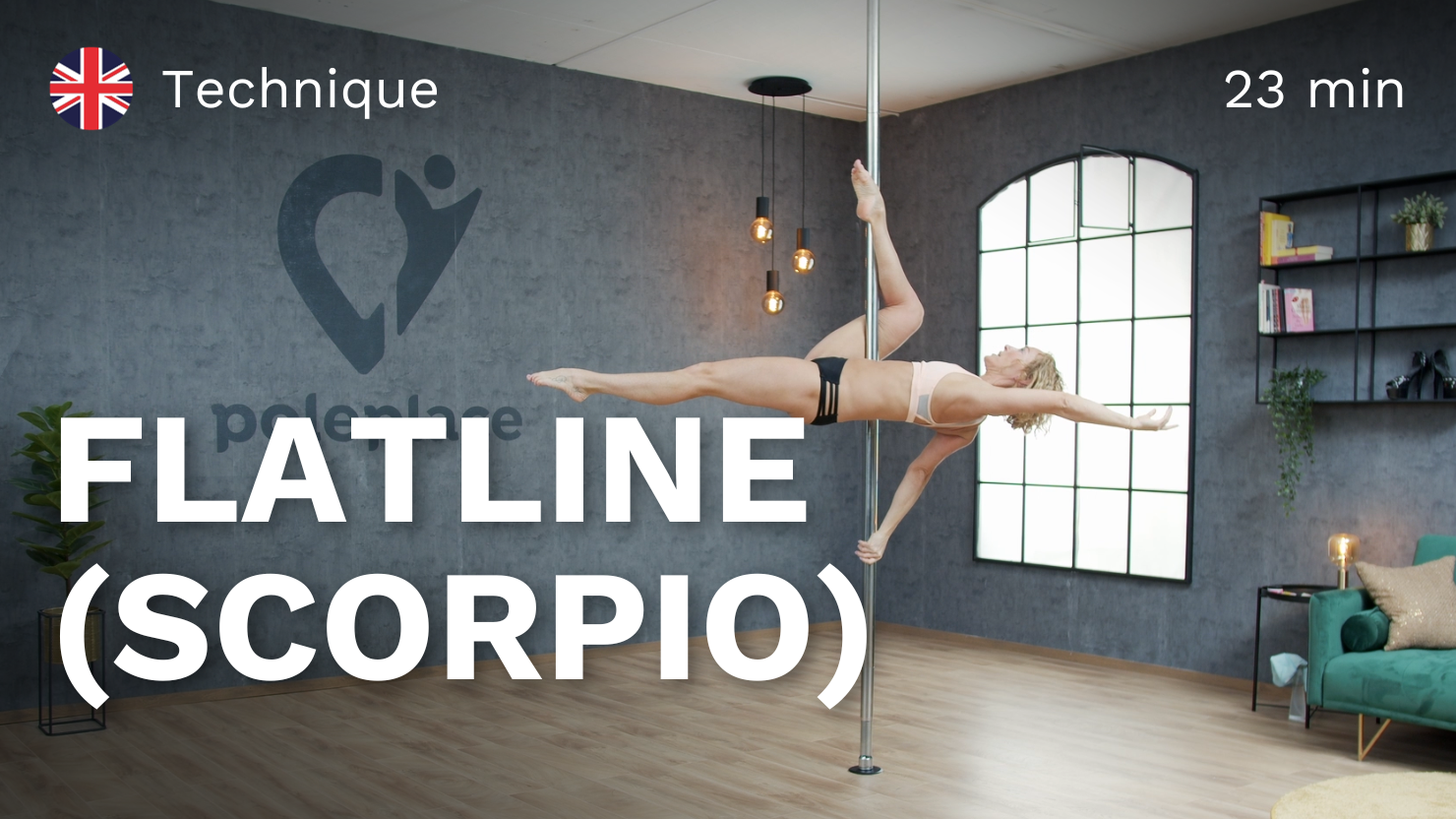
Before the Inside Leghang, a solid Invert is the key skill, and the Outside Leghang is a great companion move. Afterwards, you can explore transitions like the Inside Leghang Flip, or work towards the Flatline, which builds on a very similar hook. Switching between inside and outside hangs is also a lovely way to start building your first inverted combos.