The Outside Leghang, explained
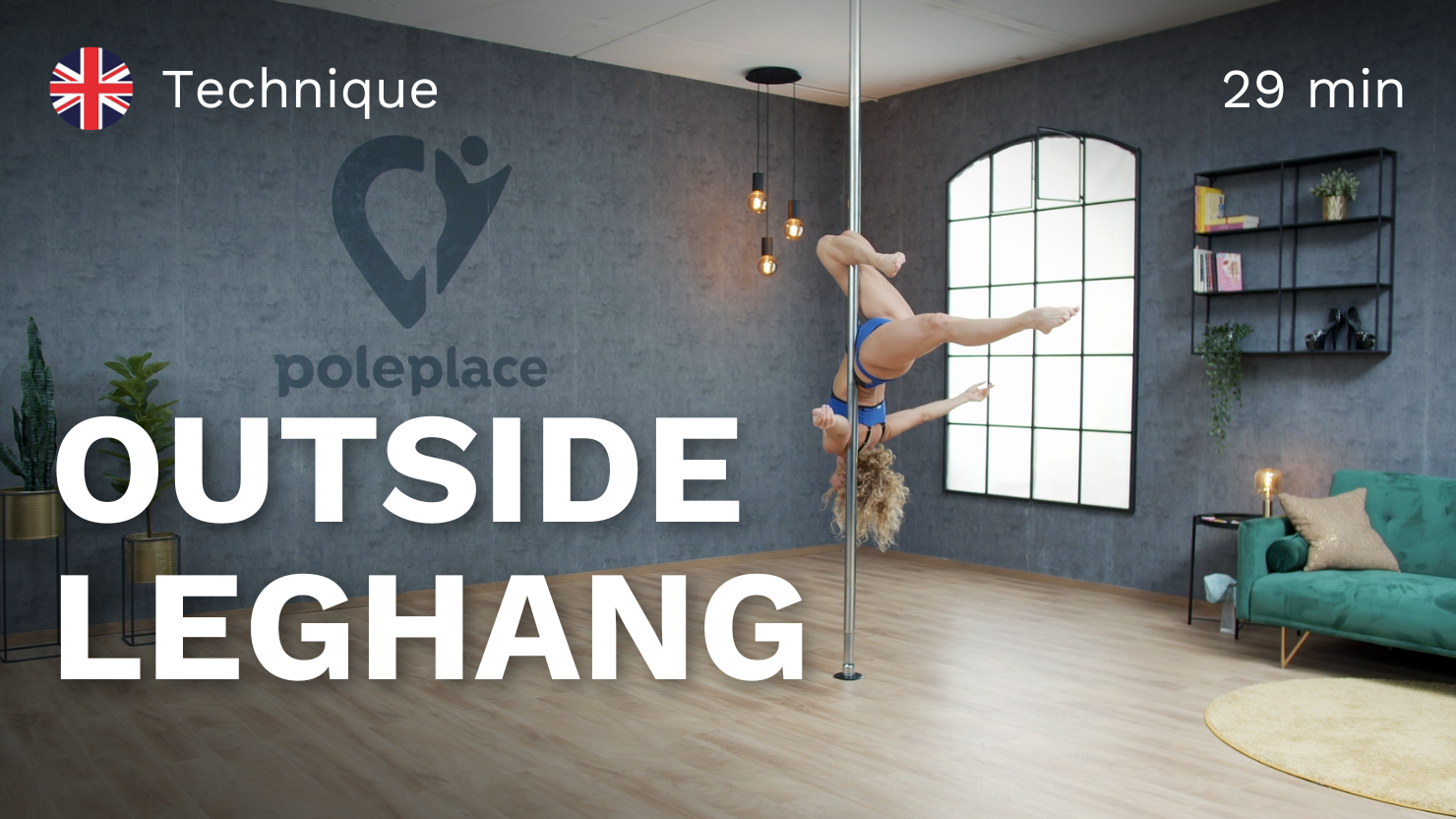
The Outside Leghang is a hang where you are upside down and one bent leg holds you on the pole. You will also see it written as Outside Leg Hang. For many dancers, it is the first time they hang inverted from their legs alone, and that first quiet moment upside down tends to stay with you.
What is an Outside Leghang in pole dance?
In an Outside Leghang pole hold, you are inverted and the pole rests in the knee pit of your outside leg, the one further away from the pole. Your other leg stays free and can reach long, bend, or play with different shapes. From the outside it looks smooth and effortless, a little like hanging from a tree branch as a kid. On the inside, it is all about trust: in your knee, your leg and your own control.
Is the Outside Leghang good for beginners?
It is usually not your very first pole dance move, because you need to get upside down first. Most dancers learn it once their invert feels steady, which places it somewhere between beginner and intermediate. If it feels scary or strange at first, you are in very good company. Being upside down is a big change for your brain, and it gets calmer with each try.
What it builds: grip, strength and trust
The Outside Leghang trains your knee grip and the strength in the back of your legs. It also asks your core and upper body to help you get into and out of it with control. You do not need much flexibility for the basic shape. Bare legs help, since skin grip matters here, and skipping body lotion before training keeps you from sliding. More than anything, this hang builds confidence upside down.
Outside Leghang on a static or spinning pole
On a static pole, the hang is still and calm, which makes it easier to feel your grip and breathe into the shape. On a spinning pole, the pole turns with you, and the hang becomes a slow rotation. It looks beautiful, but the motion can feel unexpected the first few times. Most dancers get comfortable on static first.
How you learn it at POLEPLACE
At POLEPLACE, you learn the Outside Leghang with the Floor-Stand-Air Method™. You explore the leg position on the floor, practise the shape while standing, and only then take it into the air. That way the hang already feels familiar before you are upside down. The tutorial gives you all the exact cues, so you never have to guess.
What to learn before and after
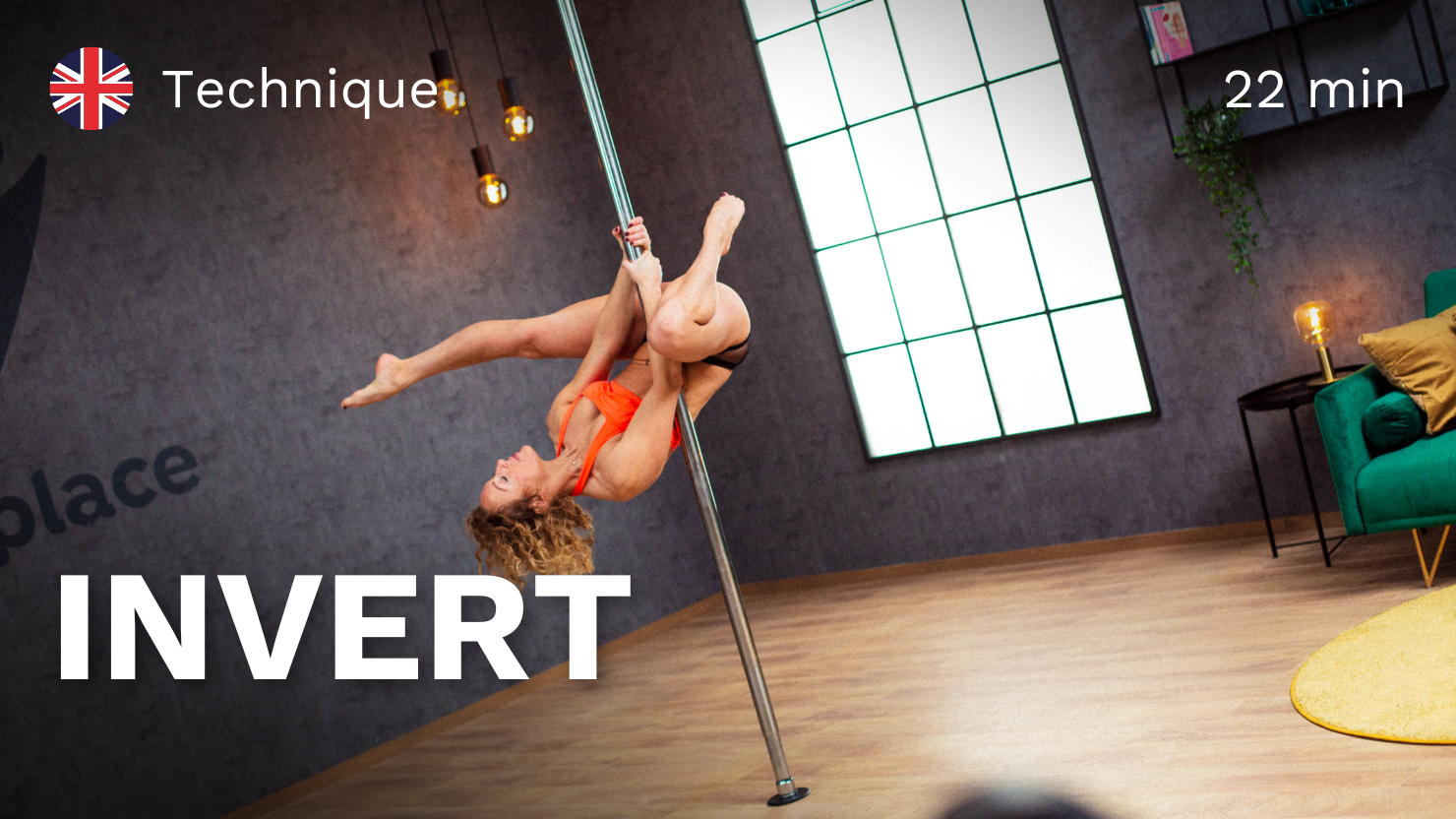
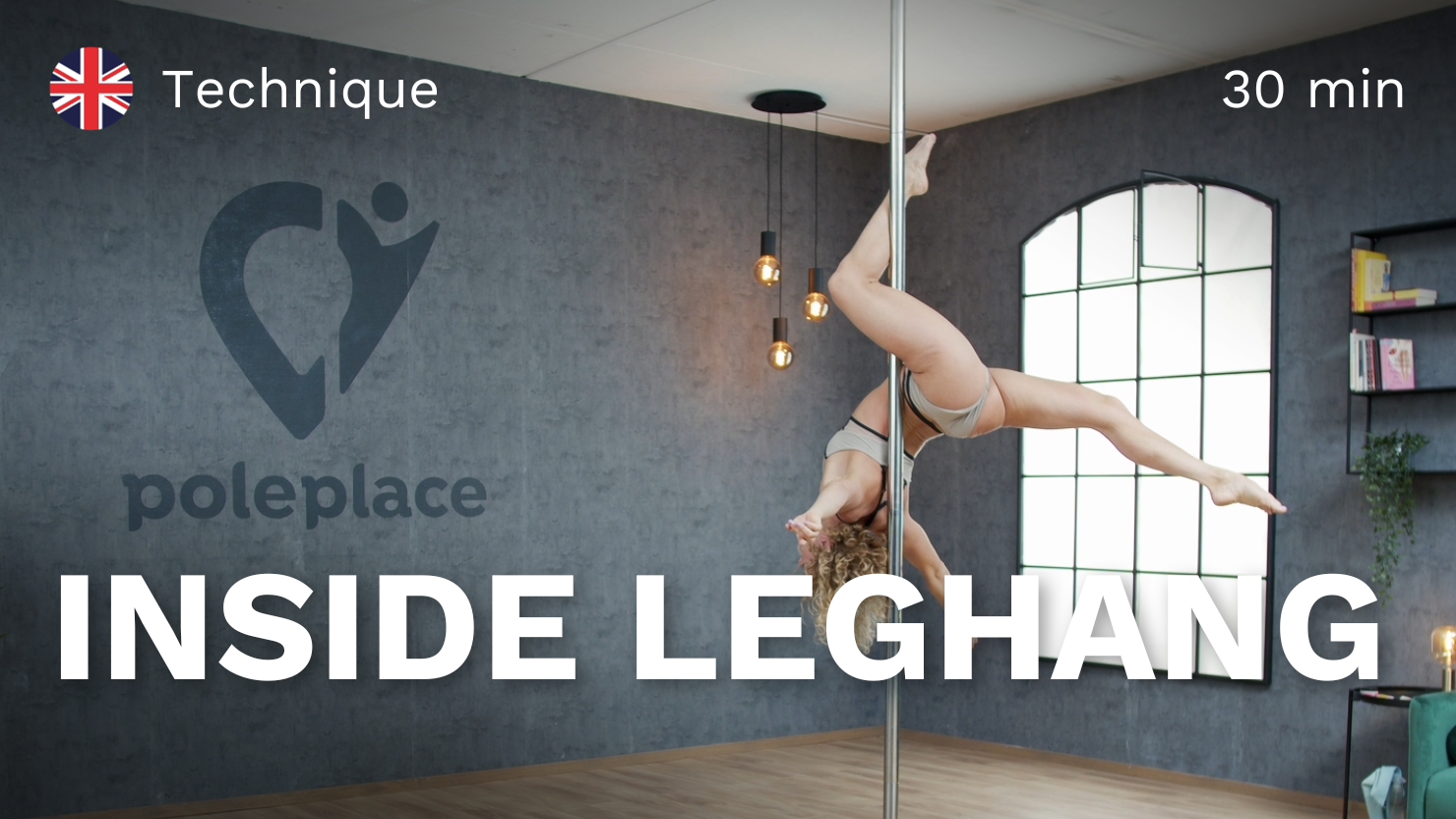
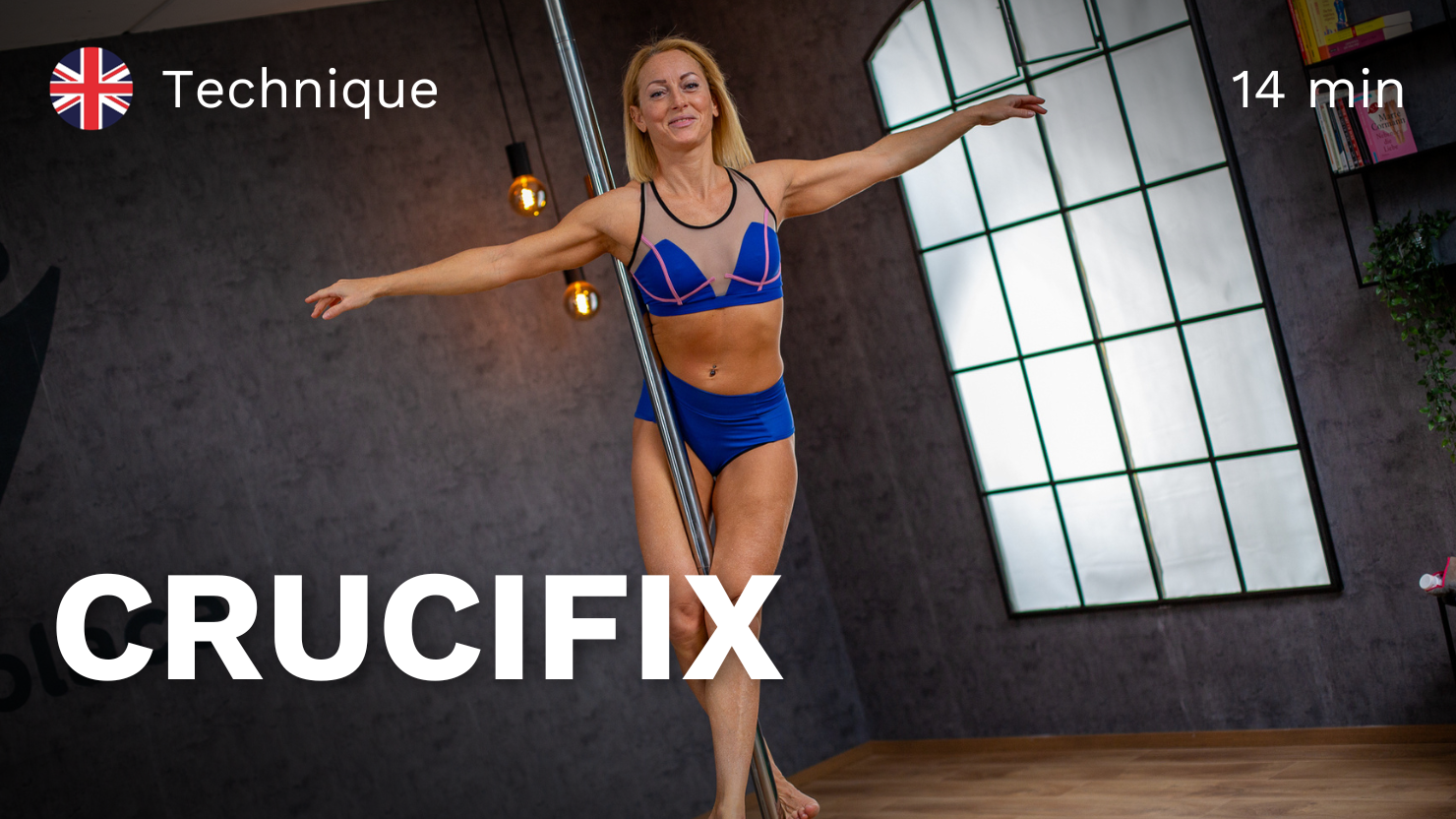
Before this hang, the Invert is the key skill. After it, the Inside Leghang is a natural next step, and many dancers love switching between the two. The Leghang Climb builds on the same hook, and upright holds like the Crucifix train the same trust in your legs. Every hang you learn makes the next one feel a little more like home.