The Cupid, explained
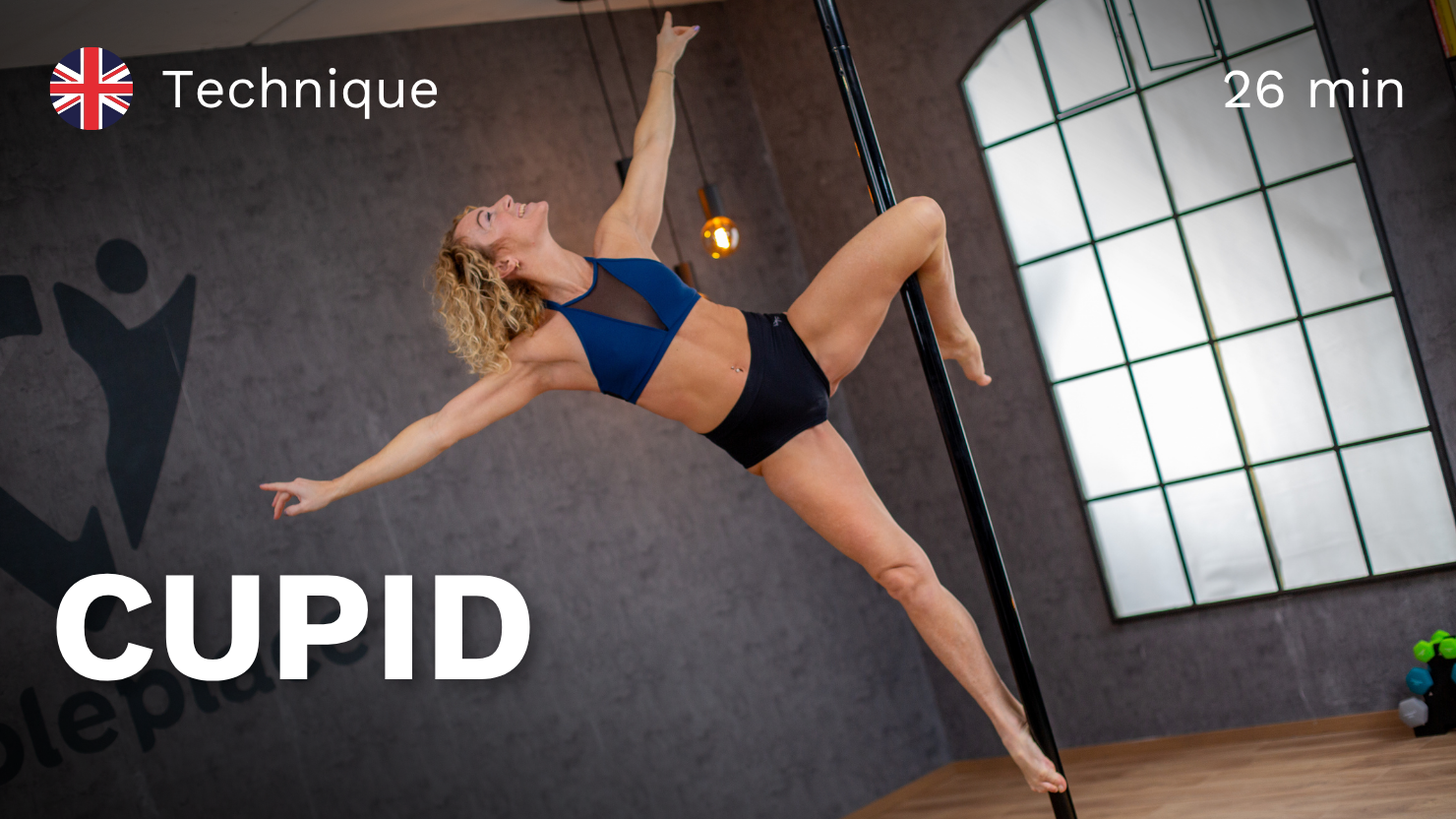
The Cupid pole move is a beautiful upside-down knee hold: you’re inverted, your bent leg holds you on the pole, and your body opens into a soft, relaxed line. When it clicks, it has this floaty, effortless look that makes everyone ask how you’re staying up there.
What is a Cupid in pole dance?
In the Cupid you’re inverted beside the pole. Your top knee hooks around the pole while your other leg presses against it, and together they create the hold that keeps you in place. That frees your upper body to reach, arch or stay close to the pole, depending on the version. The whole shape has something playful and light about it, which might be why the name fits so well. It belongs to the family of knee-hook moves, so if you already love your knee hooks, you’ll feel a little at home here.
Is the Cupid for beginners?
It’s an intermediate pole dance move, so it comes a little later on your path, once inverting feels familiar. If you’re not there yet, that’s perfectly okay. Every Invert, every Knee Hook and every minute you spend getting comfortable upside down is part of the way to your first Cupid.
What the Cupid builds: grip, strength and trust
This hold trains the grip of your legs, especially the strength behind your knee and the push from your other leg. Your hips and core work to keep the shape stable, and some hip mobility makes the line look more open. It also builds trust: holding yourself upside down with your legs is a big step, and it can take a few sessions before it feels calm. That’s part of the process, not a sign you’re behind. Wear shorts for skin contact, and keep the body lotion for after training.
Static or spinning pole?
Most dancers learn the Cupid on a static pole first, because a still pole lets you focus on the feeling in your knee and legs. On a spinning pole it turns slowly with you, which looks lovely and adds a new feeling while you’re inverted. Try it there once the static version feels steady.
How you learn it at POLEPLACE
At POLEPLACE the Cupid follows the Floor-Stand-Air Method™. You get to know the leg shape and the hold on the floor first, then explore it standing at the pole, and only after that you take it into the air. The tutorial and your coach take care of the exact details, so you can concentrate on how the move feels.
What to learn before and after
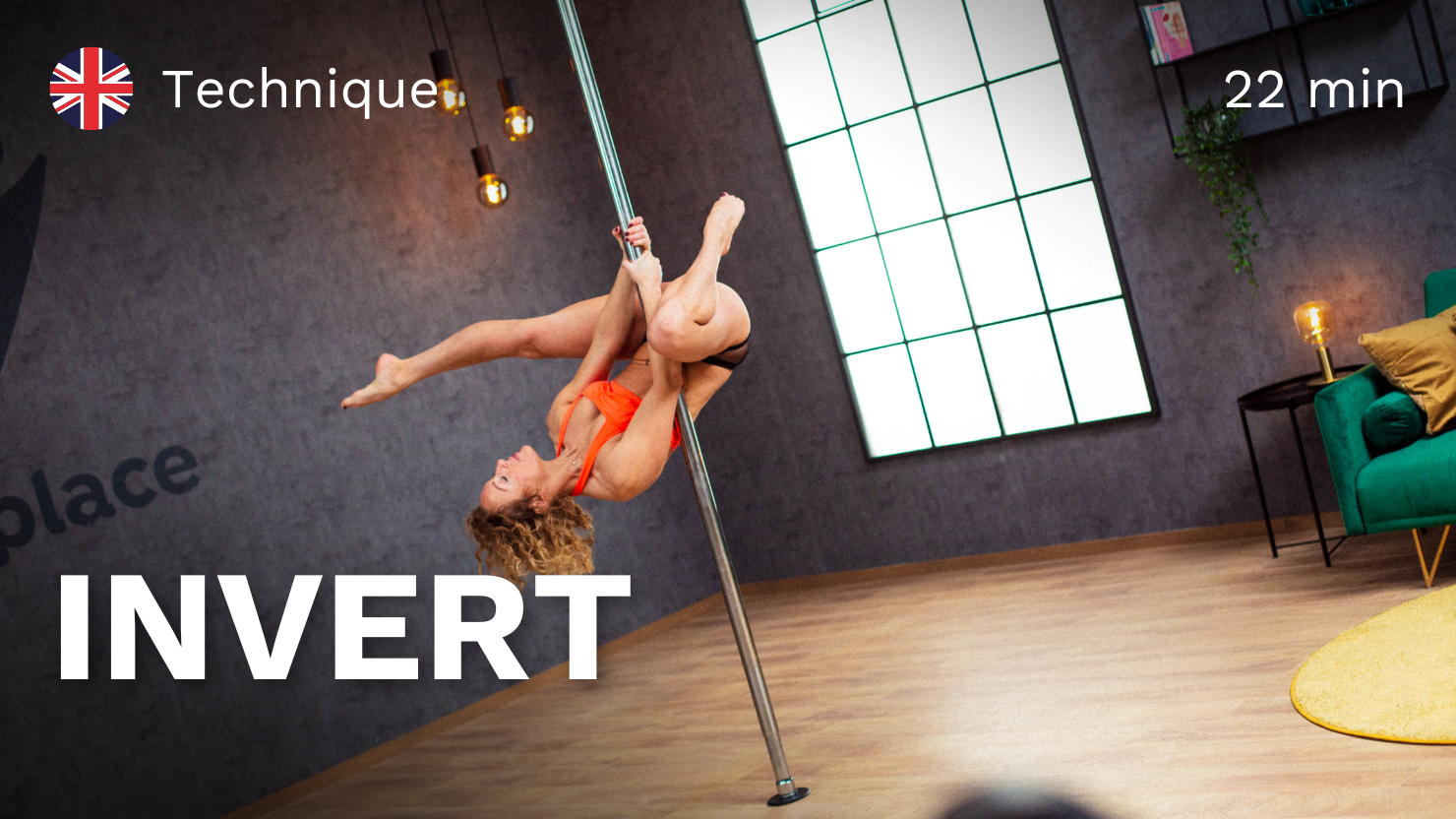
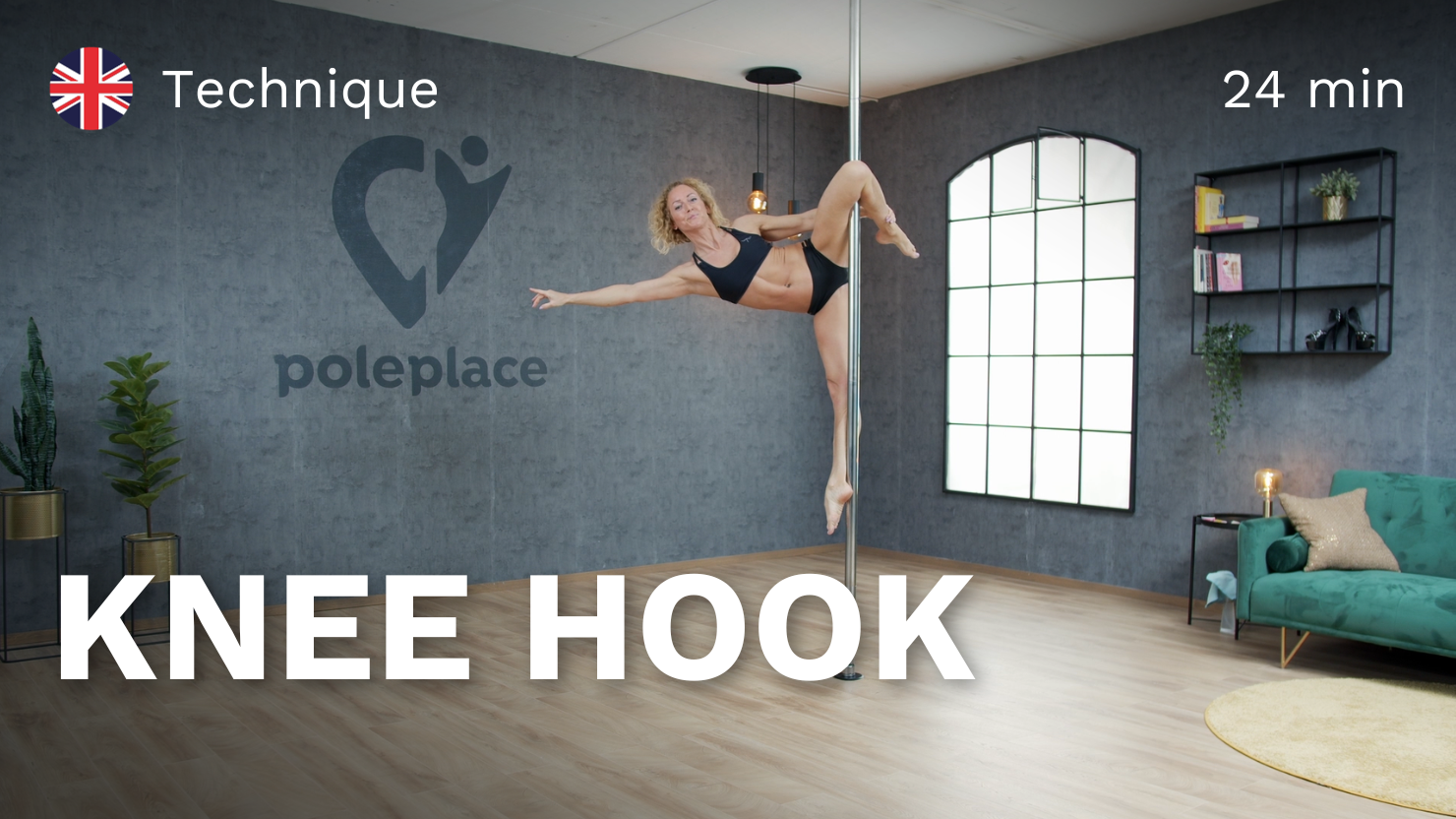
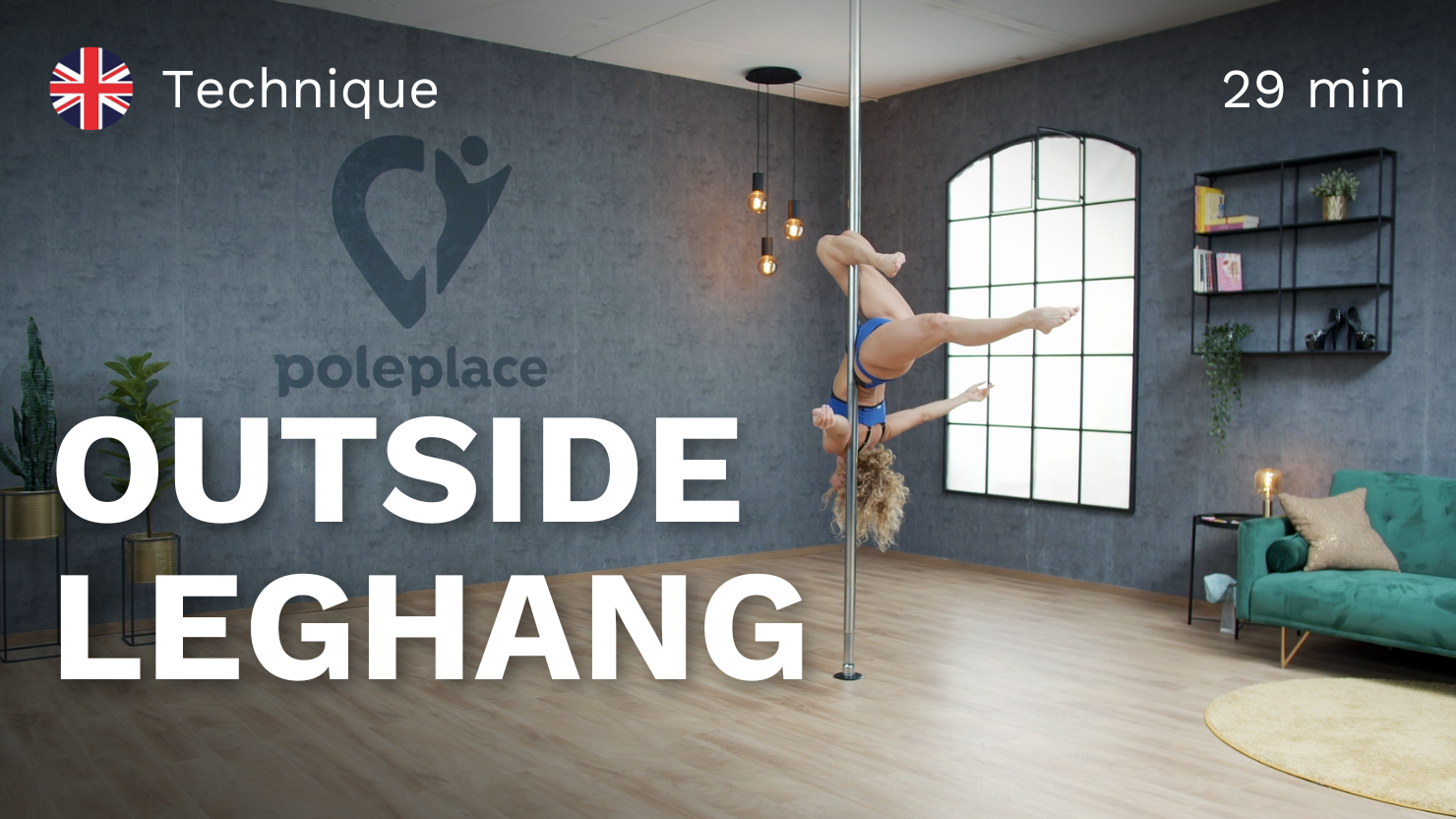
Before: a confident Invert, the Inverted Position, and a Knee Hook you feel good in. An Outside Leghang is great preparation for trusting your legs upside down. After: it’s a lovely shape for transitions and combos, and once you’re comfortable, a hands-free version becomes a beautiful goal.