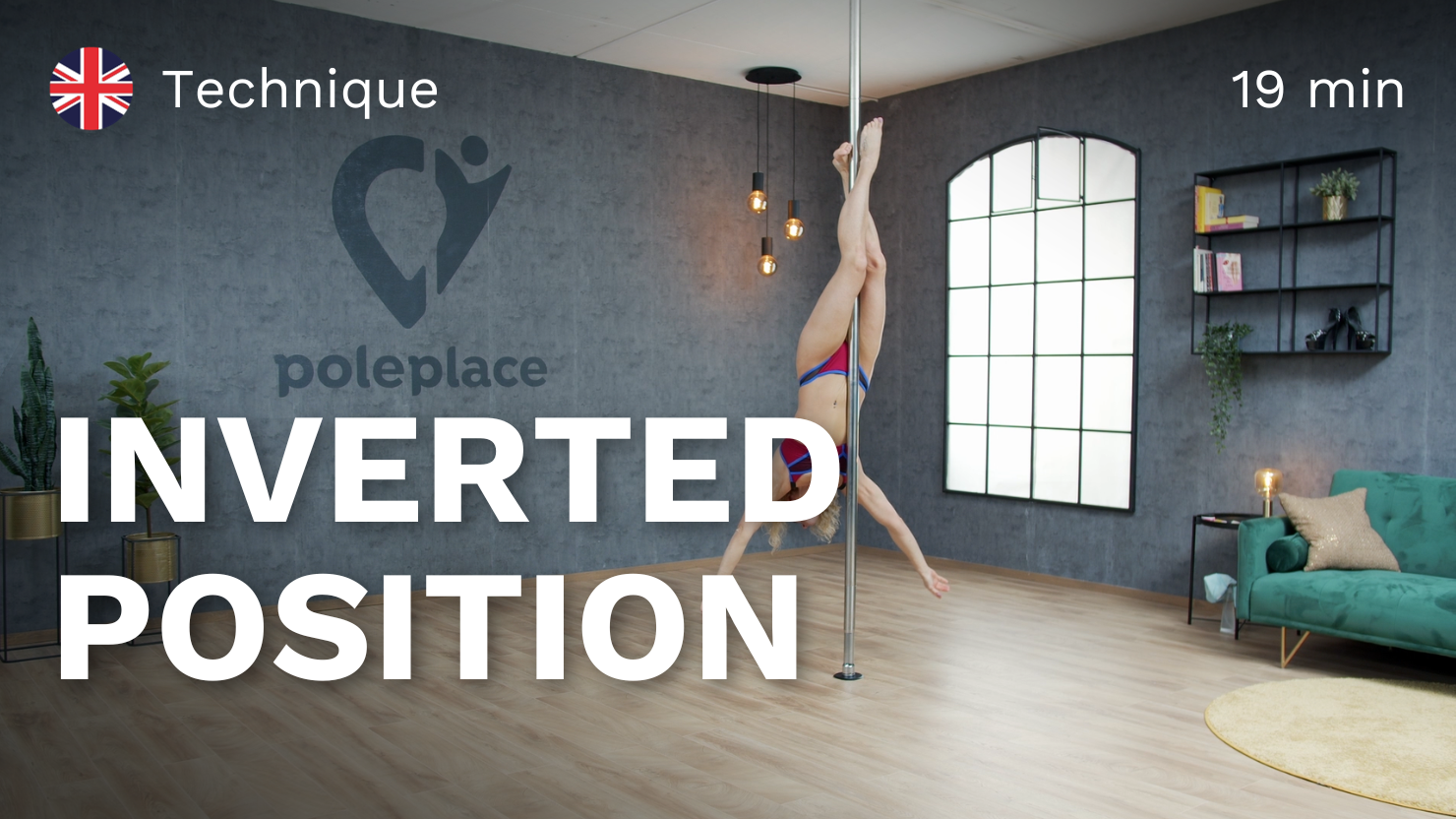
The Inverted Position, explained
The Inverted Position is the moment you hang upside down, held only by your legs, and the world looks completely different. It is a calm, open shape and one of the most important building blocks for everything that comes later upside down.
What is the Inverted Position?
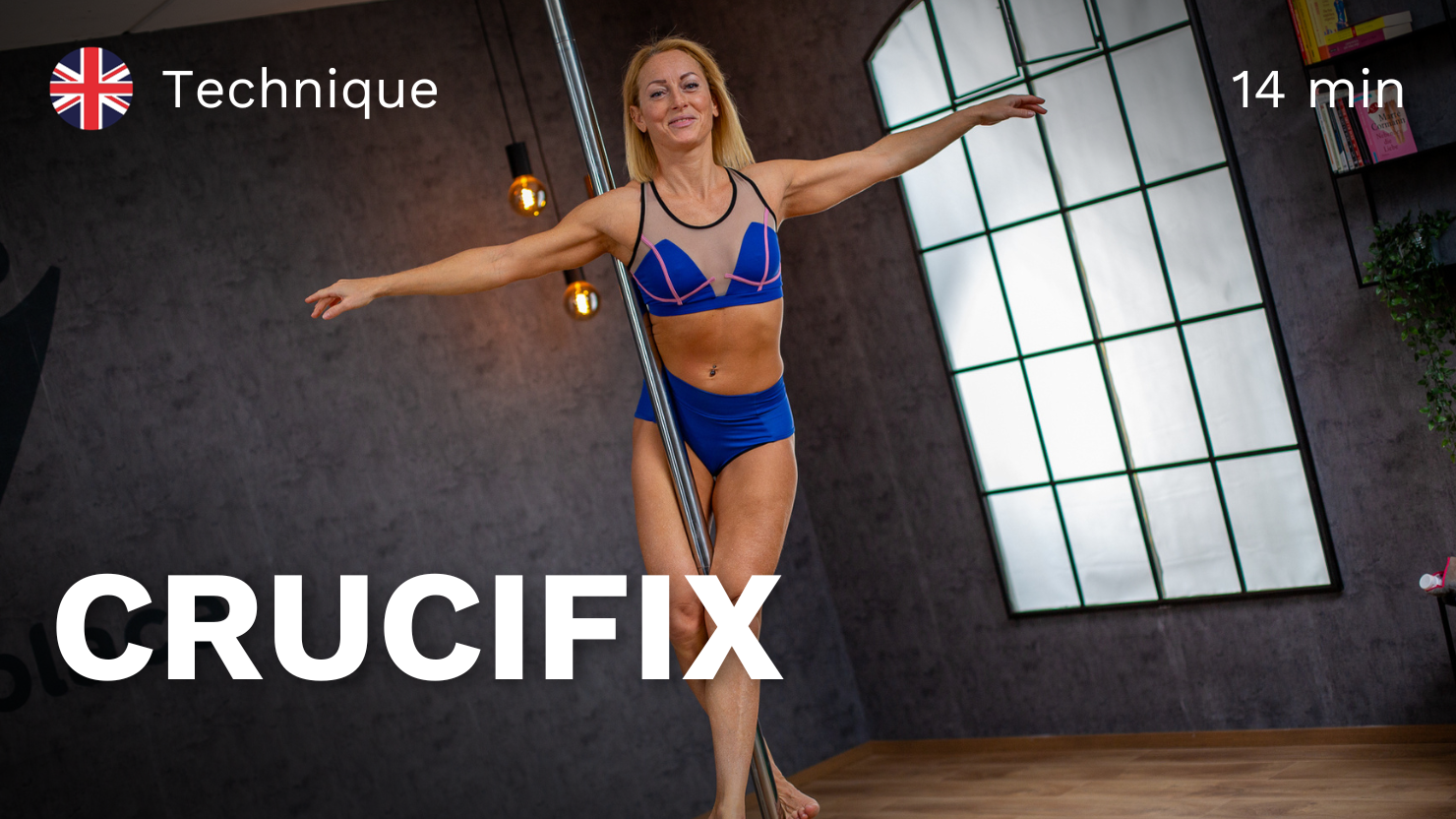
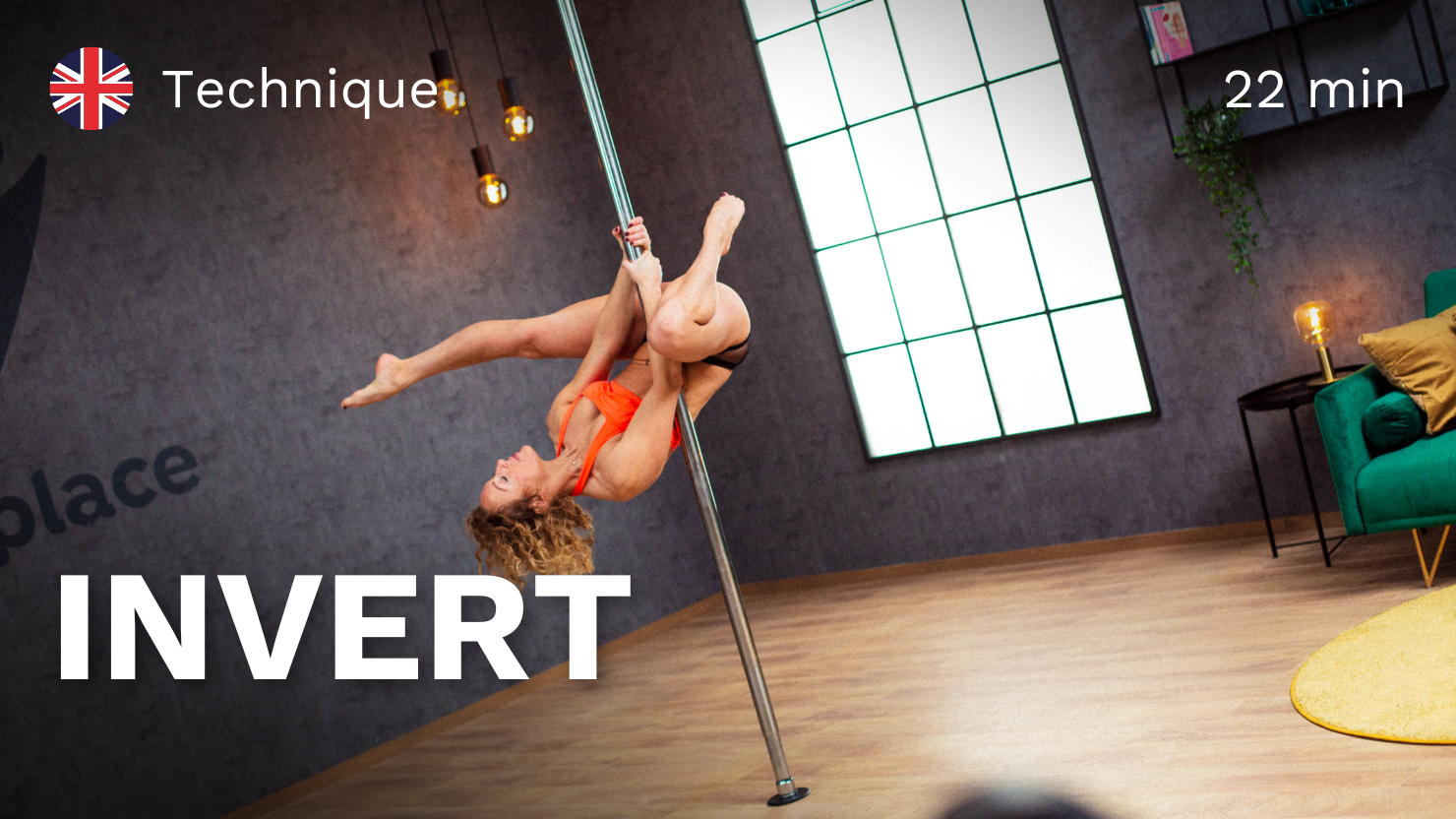
The Inverted Position is the upside-down version of the Crucifix, which is why it is also called the Inverted Crucifix. You are inverted, your legs hold you on the pole and your upper body and arms are free. How your legs grip, how you let go with your hands and how you come back up safely is explained step by step in the tutorial, in English and German.
Is the Inverted Position good for beginners?
It comes once going upside down feels calm. A controlled Invert is the base, and a steady upright Crucifix helps you trust your legs. If letting go with your hands feels scary the first time, that is completely normal: start close to the floor and give yourself time.
Static or spinning pole?
Learn it on a static pole. The pole stays still, so you can focus on your leg grip and on staying relaxed upside down. On a spinning pole the shape turns with you, which is a nice next step later.
What it builds: leg grip and trust upside down
The Inverted Position trains strong leg grip and, above all, trust in your own body while you are upside down. It is the foundation of many more advanced techniques, and it is part of the POLEPLACE Invert Masterclass. Bare legs or shorts give you the skin contact you need. A crash mat under the pole gives you peace of mind.
How you learn it at POLEPLACE
With the Floor-Stand-Air Method™ you practise the leg position on the floor first, prepare it standing at the pole and only then take it upside down. Each stage feels familiar before you combine them, in your own space and at your own pace.
What comes next
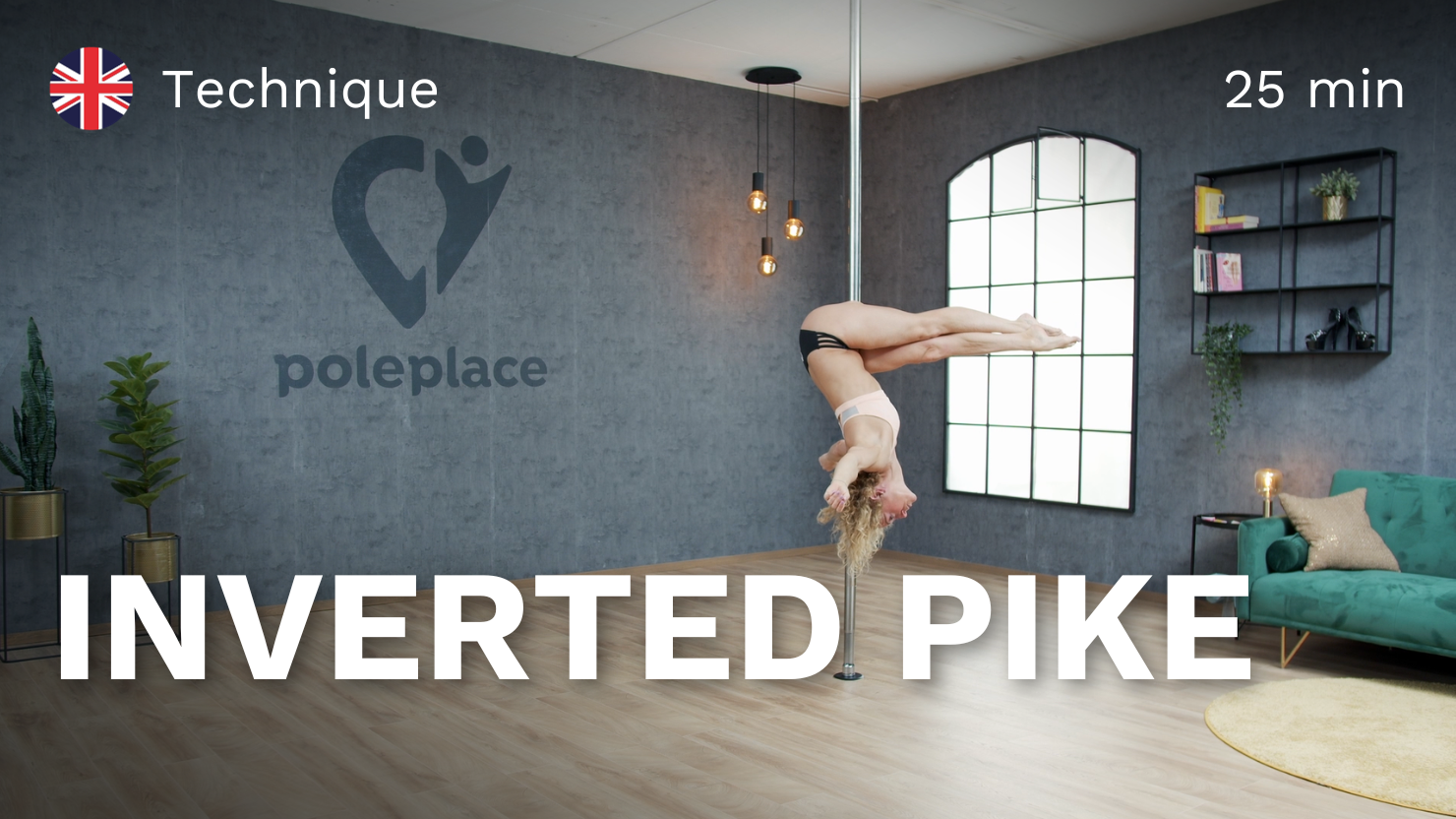
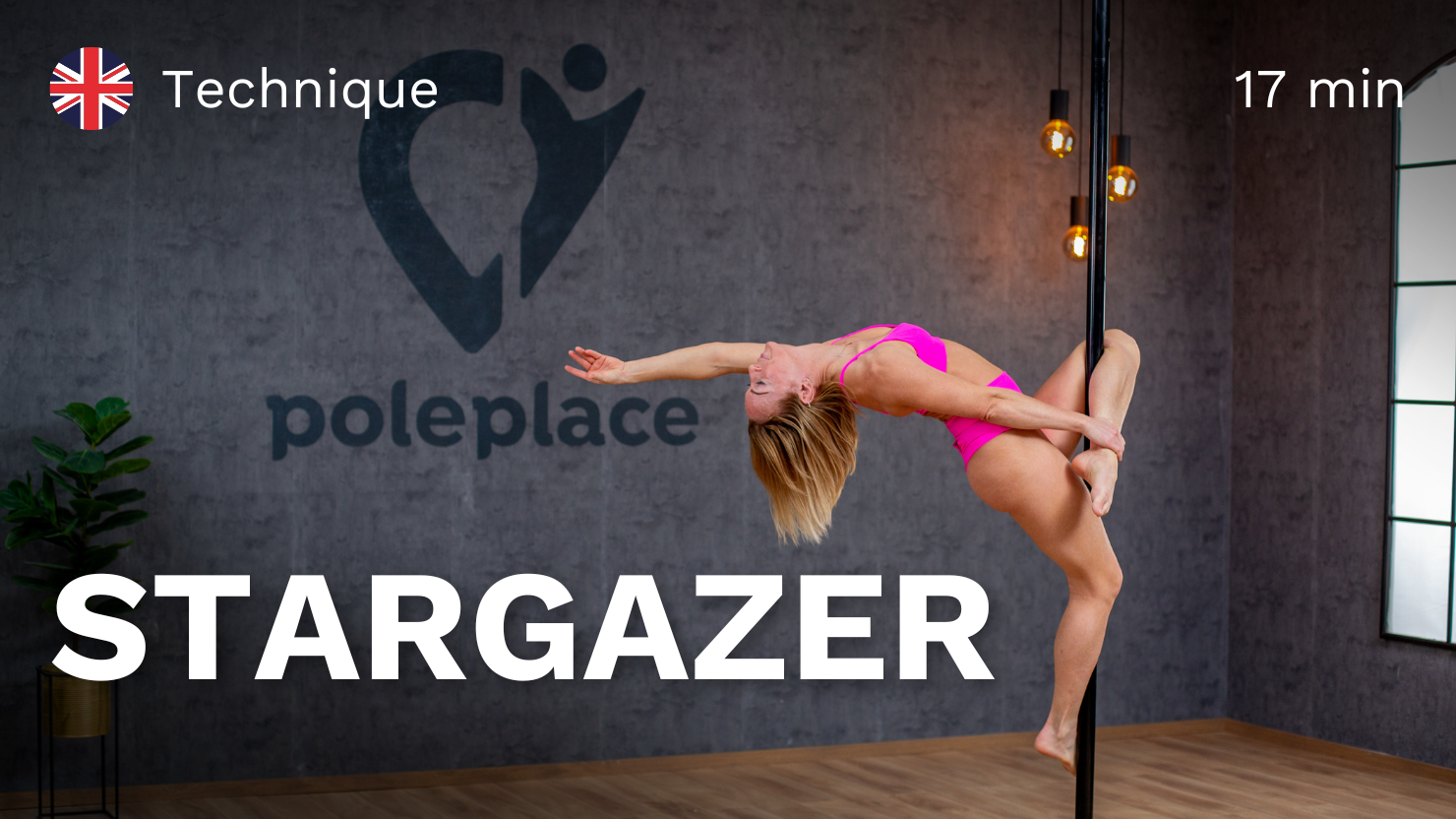
Once your Inverted Position feels calm, many doors open. The Inverted Pike trains control on the way up, and the Stargazer is a beautiful open shape that builds on the same trust.