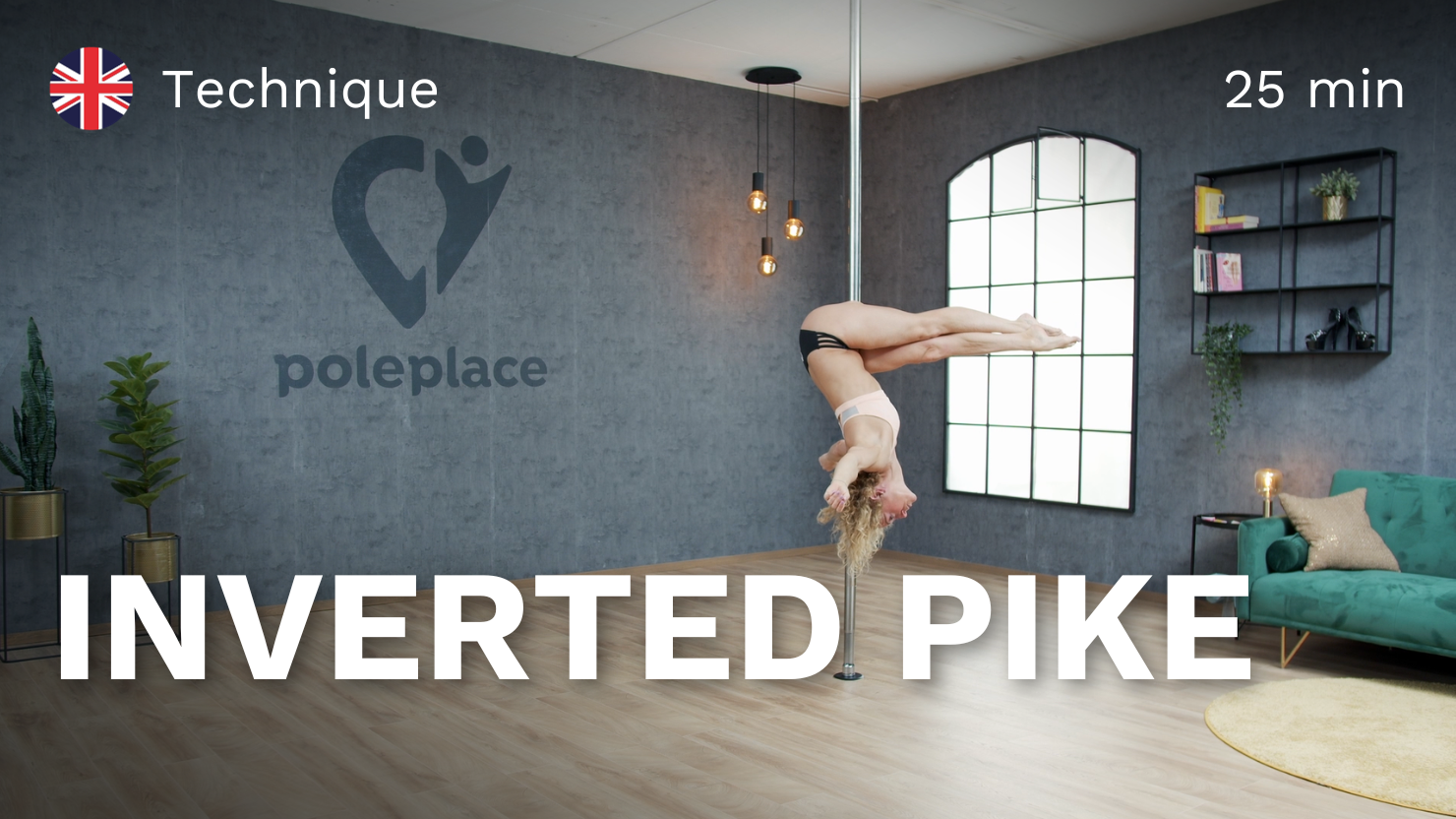
The Inverted Pike, explained
The Inverted Pike is where your invert starts to look really clean. Instead of tucking your legs, you go upside down with long, straight legs, and the whole shape becomes elegant and controlled. It is a big step in strength and a beautiful one to see on video.
What is the Inverted Pike?
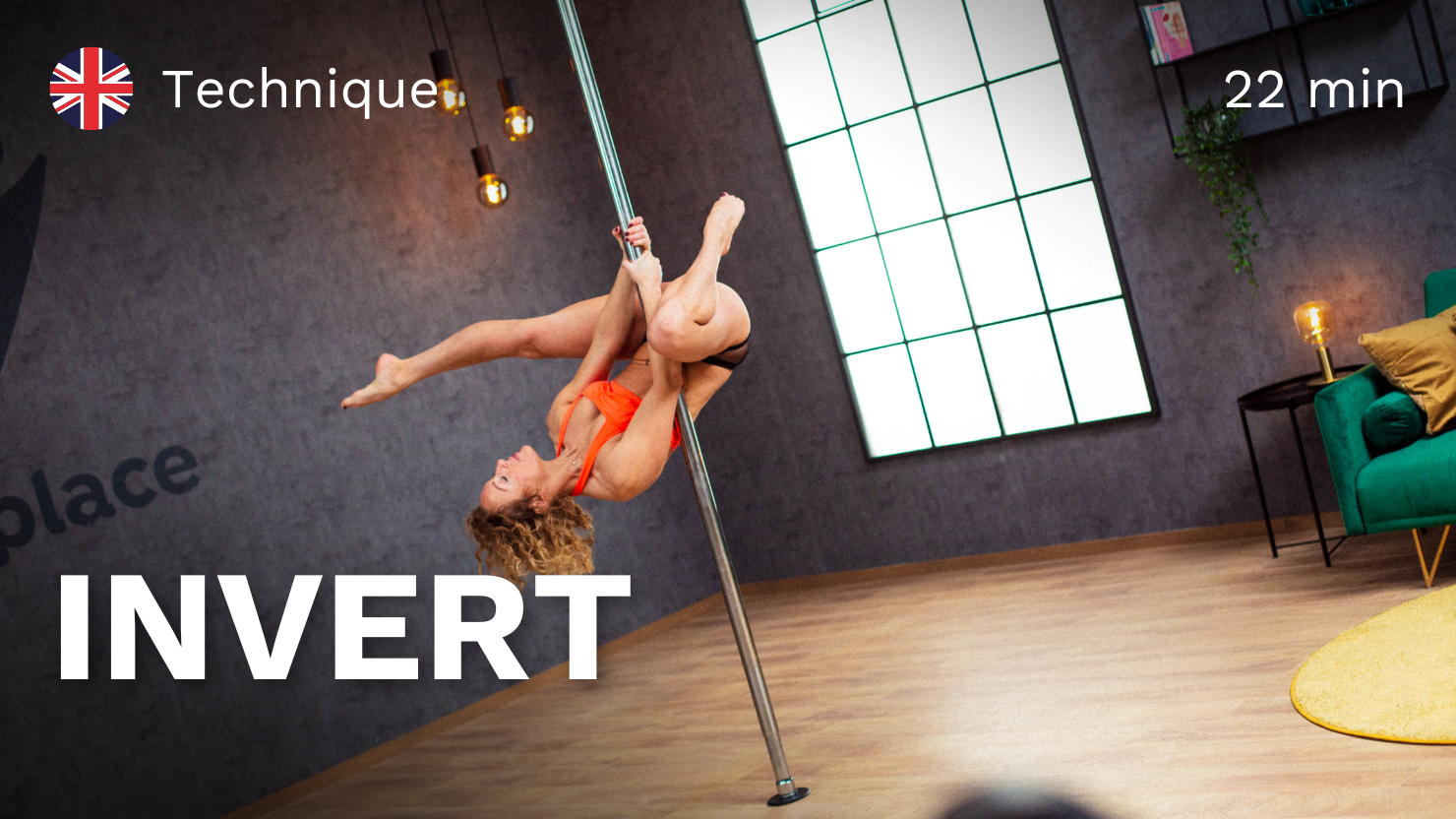
The Inverted Pike is an upside-down shape in which your legs stay long and straight, folded at the hips like a pike in gymnastics. Your hands and upper body hold you while your legs move with control. It is part of the POLEPLACE Invert Masterclass. How your grip works and how you move in and out of the pike safely is explained step by step in the tutorial, in English and German.
Is the Inverted Pike good for beginners?
It is an intermediate move. A controlled Invert with bent legs should feel calm first. If your legs bend on the way up during your first attempts, that is completely normal: the straight-leg version grows step by step.
Static or spinning pole?
Start on a static pole, where you can focus on lifting with control. On a spinning pole the shape turns with you and momentum can help or distract, so it is a nice next step once the static version feels steady.
What it builds: core strength and control
The Inverted Pike is one of the best moves for core and shoulder strength on the pole. It teaches you to lift without swinging, which makes many later tricks cleaner. Conditioning off the pole helps a lot, and a crash mat under the pole gives you peace of mind while you learn.
How you learn it at POLEPLACE
With the Floor-Stand-Air Method™ you train the pike shape and core strength on the floor first, then practise the lift standing at the pole and only then take it fully upside down. Each stage builds on the one before, in your own space and at your own pace.
Related moves and what comes next
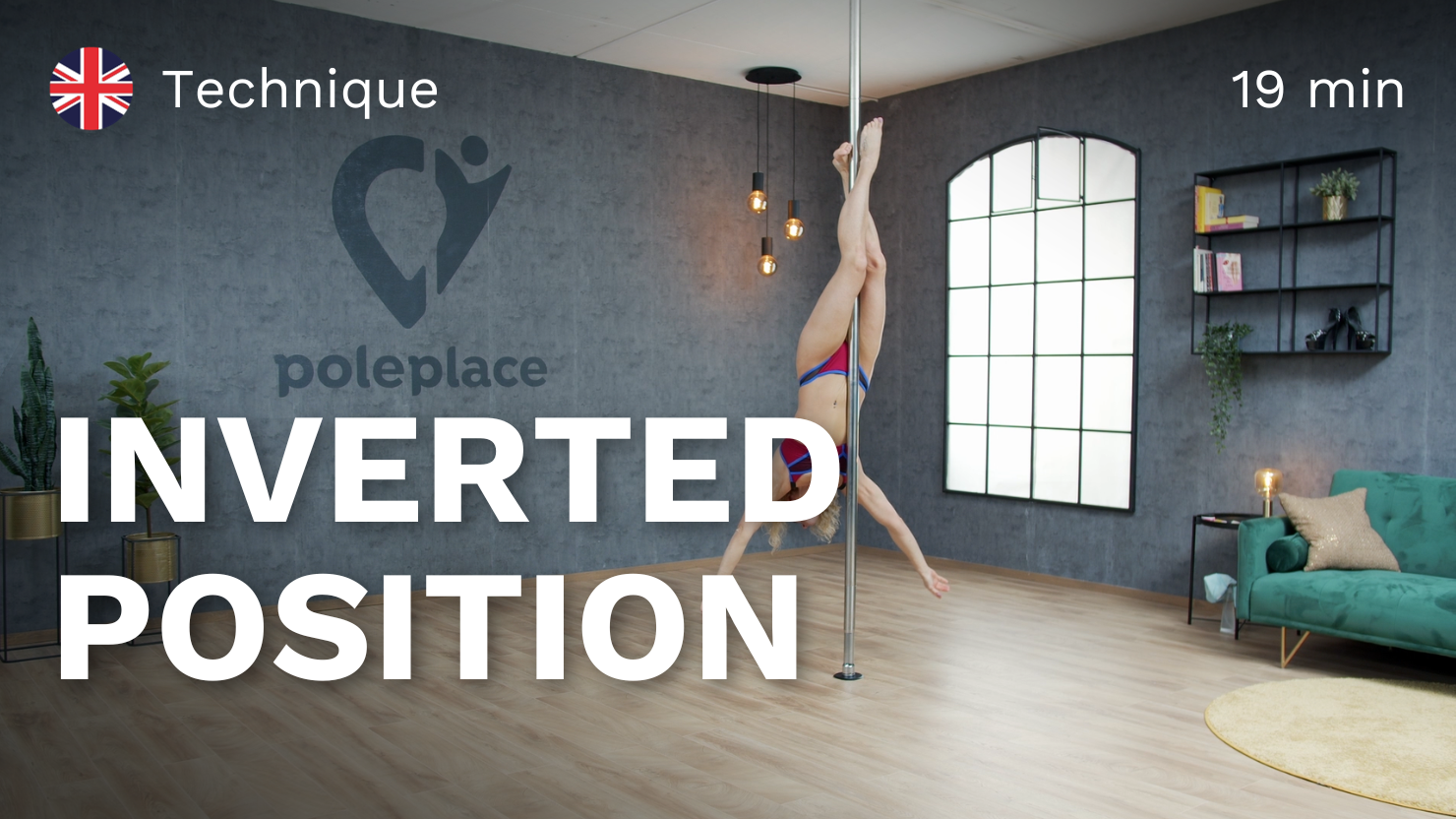
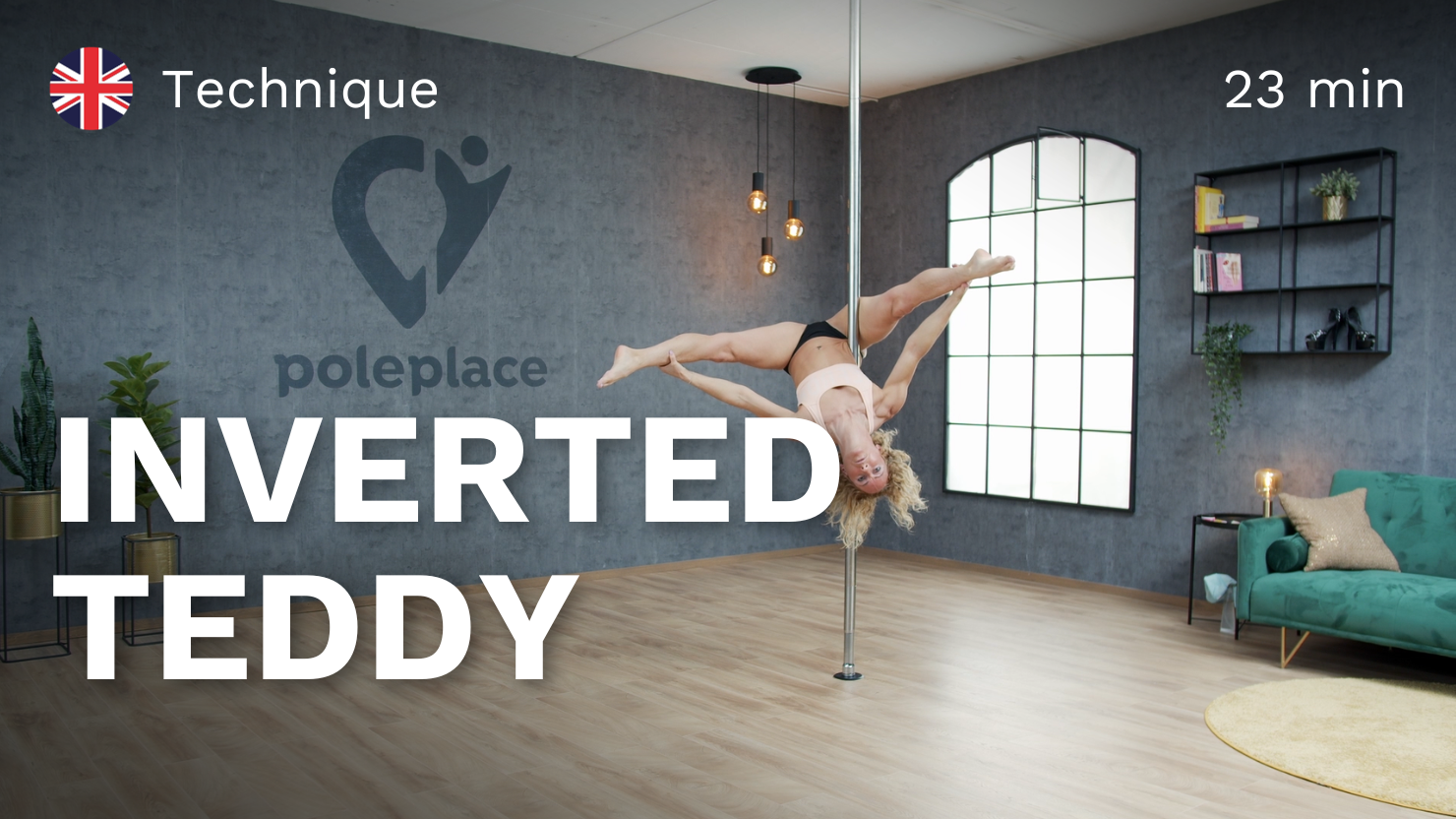
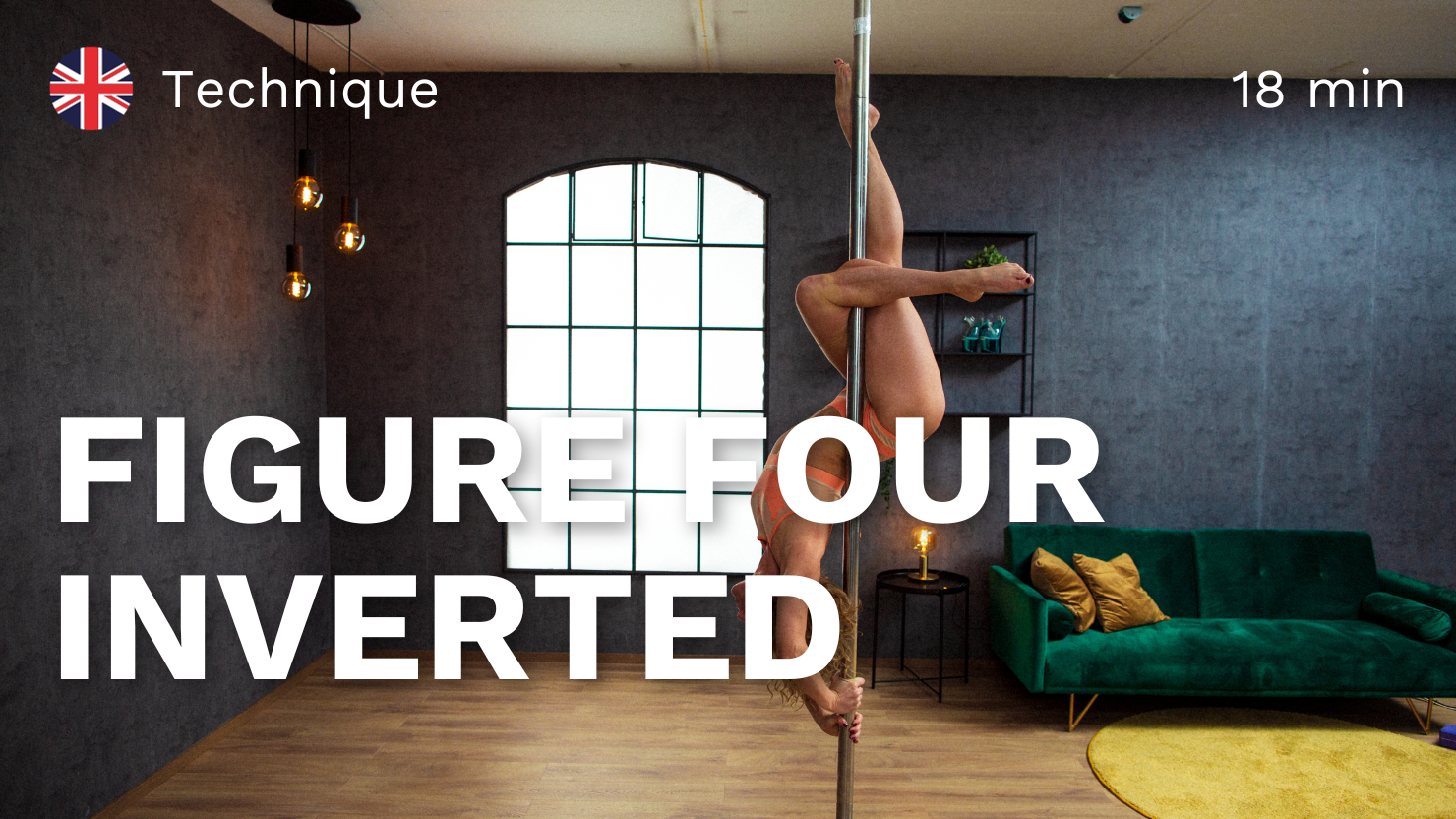
Once your pike feels strong, try holding the Inverted Position or flowing into the Figure Four Inverted. Later, the Inverted Teddy is a lovely challenge that loves the same kind of control.