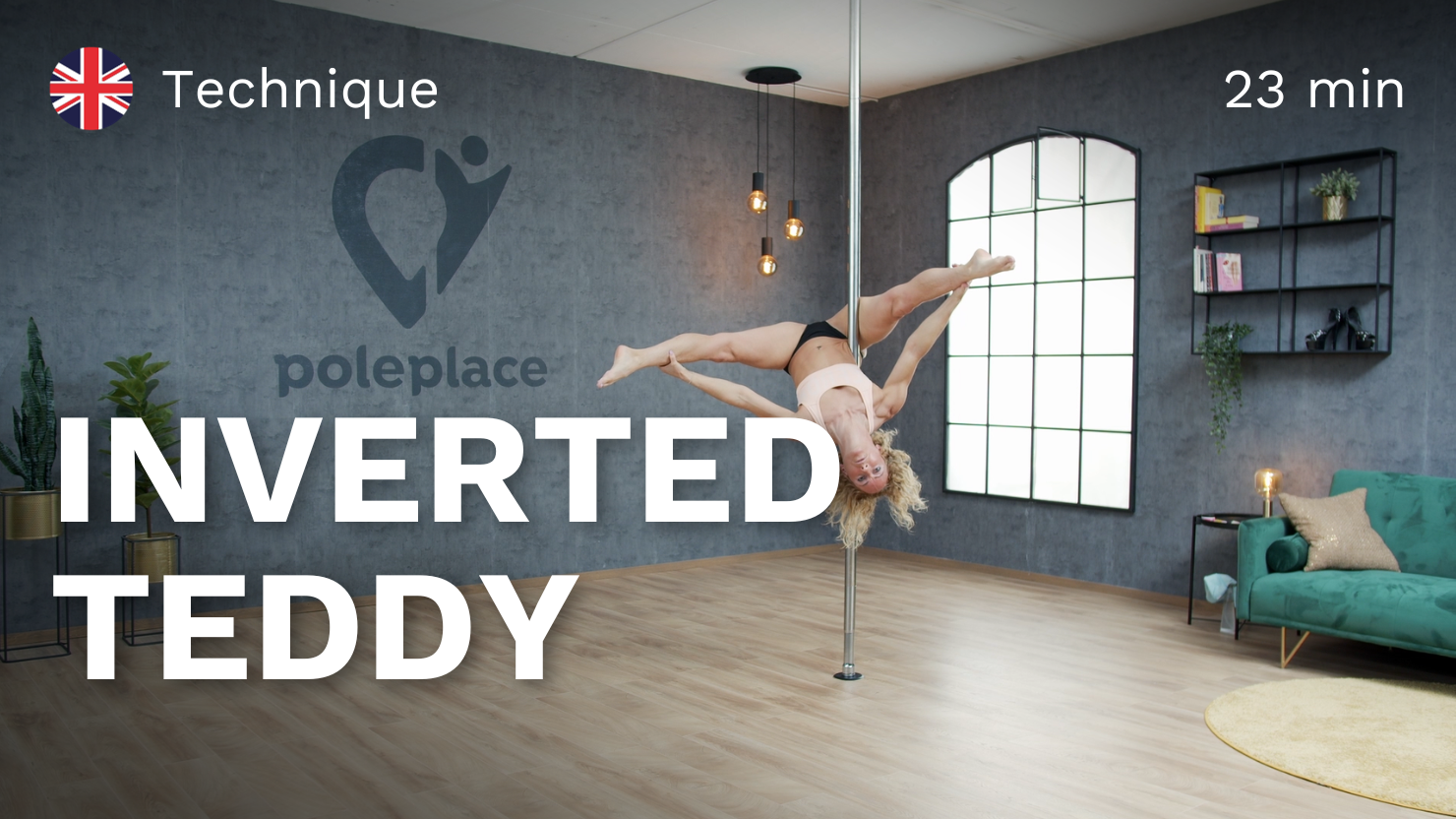
The Inverted Teddy, explained
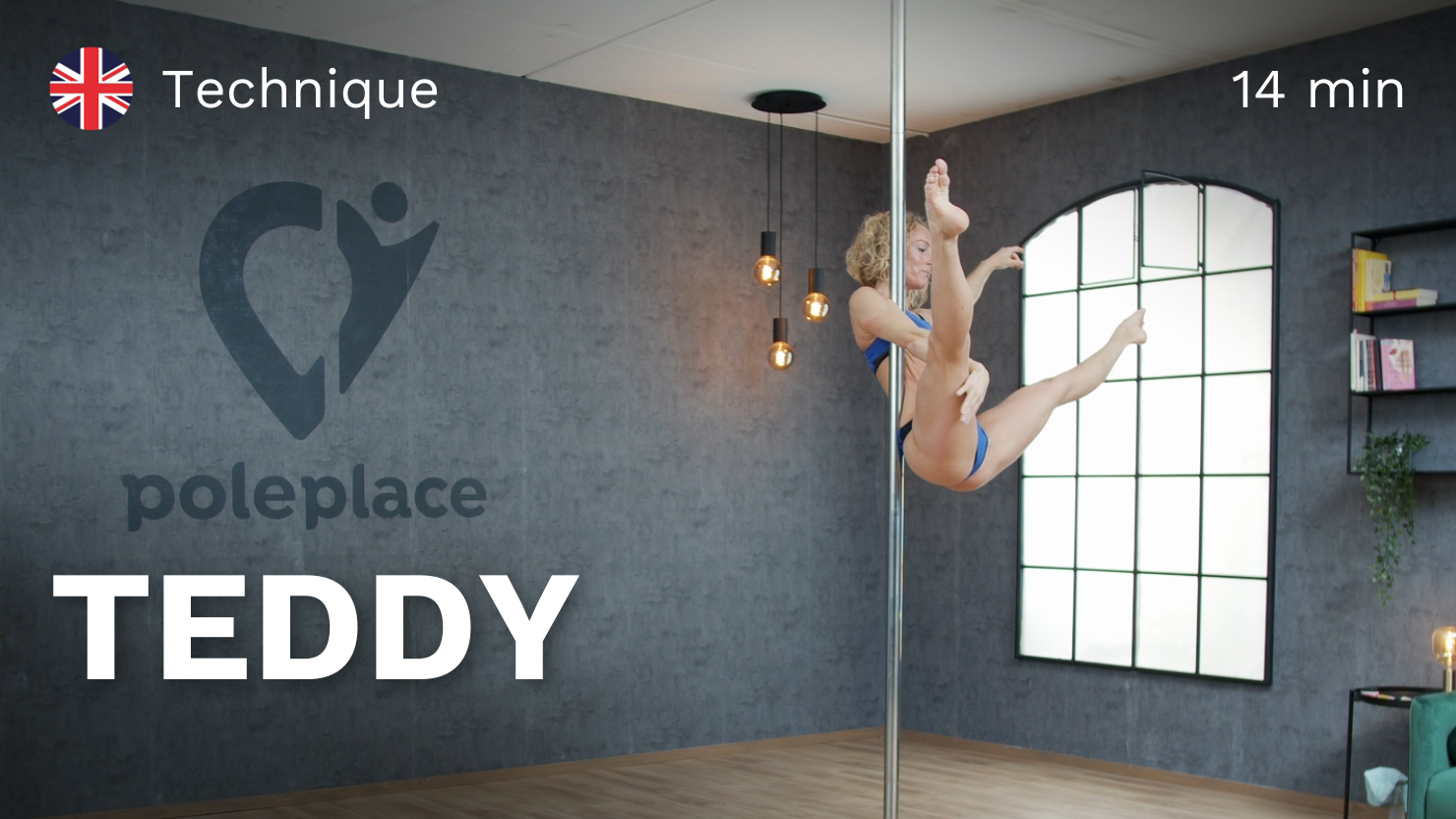
The Inverted Teddy pole move is the kind of shape people pause a video for. You are upside down beside the pole, held only by your upper body, while both legs leave the pole and open into the air. It is a big, beautiful goal for anyone who loves the upright Teddy and is ready to take that feeling of floating head down.
What is the Inverted Teddy?
Picture the Teddy you may already know, then turn the whole picture upside down. Your arm and torso stay close to the pole, your head points towards the floor, and your legs are completely free. You can open them into a wide split, a straddle or any line you like, and the pole almost seems to vanish behind you. That is what makes it so striking in photos. How you get into the shape and how exactly you hold it is what the tutorial and your coach show you, because those details matter a lot here.
Is the Inverted Teddy pole move for beginners?
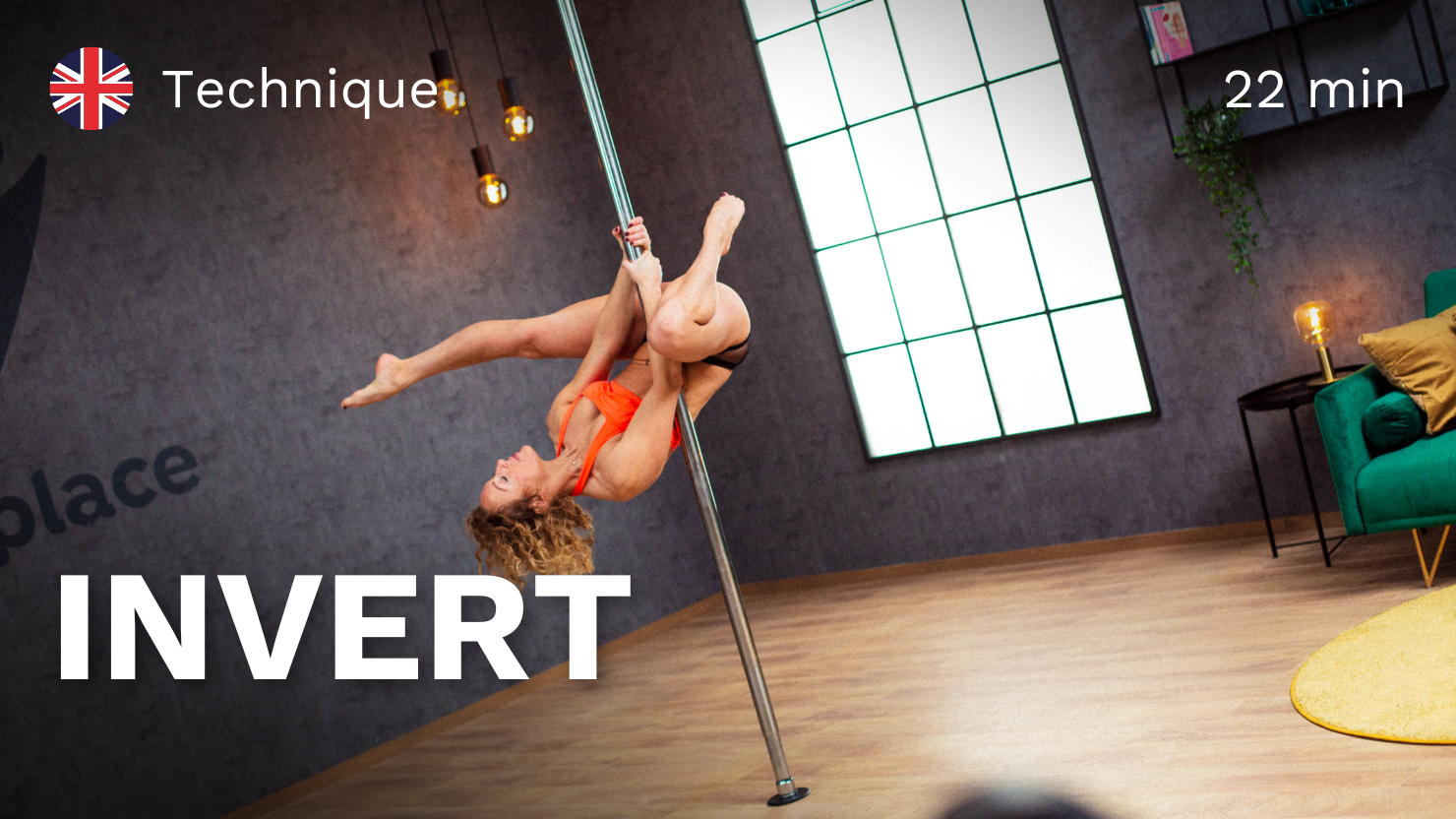
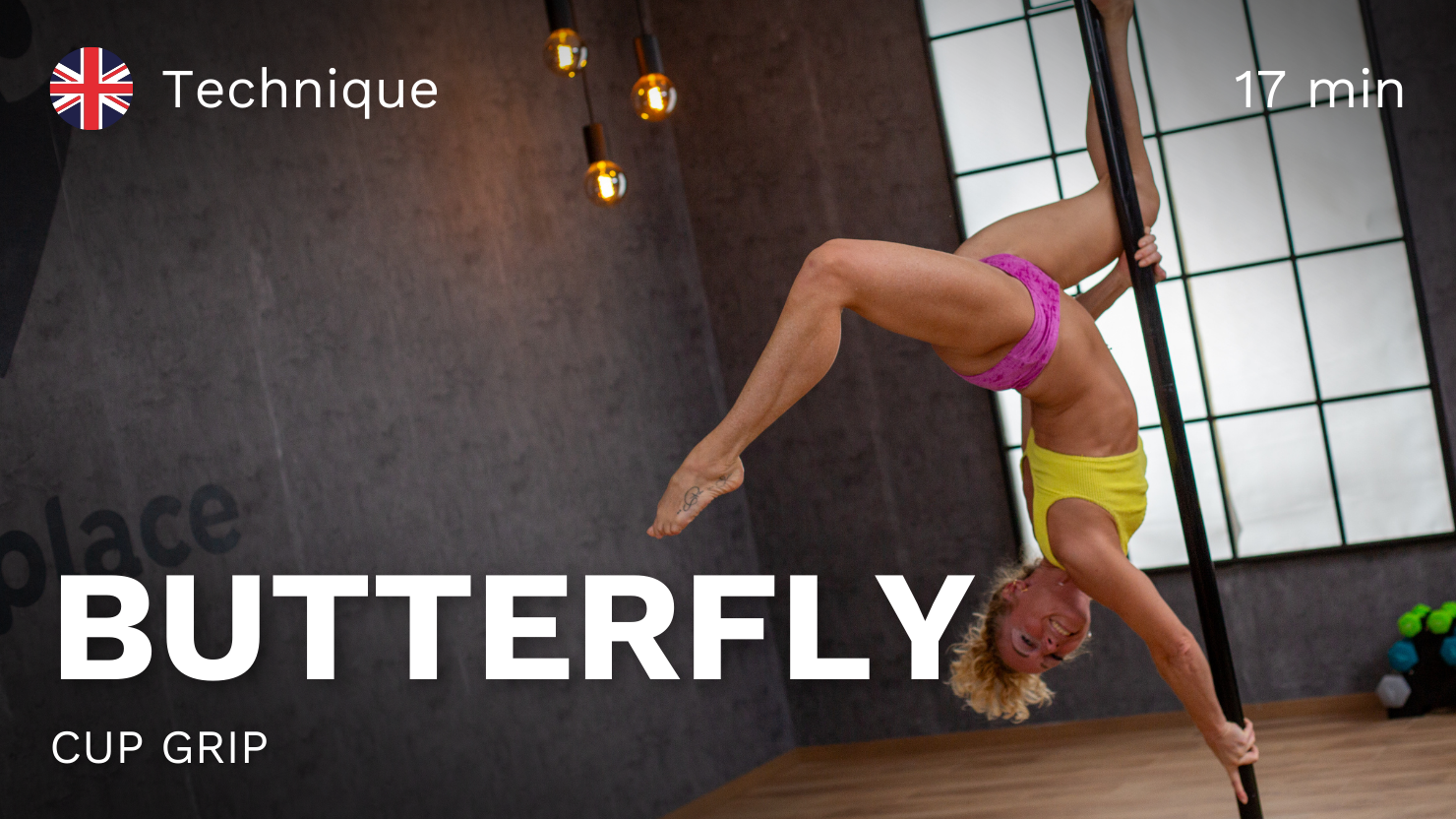
Not yet, and that is completely fine. This is an advanced shape that comes after a few solid steps: a calm, controlled Invert, an upright Teddy that feels steady, and some time spent upside down in holds like the Butterfly. If your first tries feel heavy, pinchy or a bit scary, you are exactly where everyone starts with a move like this. Every attempt teaches your body a little more about where it is when it cannot see the floor.
What it builds: strength, skin grip and trust
The Inverted Teddy asks a lot of your shoulders, arms, back and core, which work together to keep you close to the pole while your legs do their own thing. It trains skin grip too, because the contact between your skin and the pole helps hold the shape. Bare arms, shorts and no body lotion on training days make a real difference. Beyond strength, it builds trust: letting your legs go free while you are upside down is a moment you will remember.
Static or spinning pole?
Many dancers meet this move on a static pole first, so nothing turns while you get used to the hold and the view from upside down. On a spinning pole the shape rotates slowly with you, which looks dreamy and feels like flying, but the movement adds a new layer. Once your static version feels calm, spinning mode is a lovely next challenge.
How you learn it at POLEPLACE
At POLEPLACE you learn this move with the Floor-Stand-Air Method™. You explore the upper-body position and the leg lines on the floor first, then prepare the hold standing at the pole, and only then take it upside down into the air. Each stage is a small win, in your own space and at your own pace, so the big shape never has to feel like one big leap.
Variations and what comes next
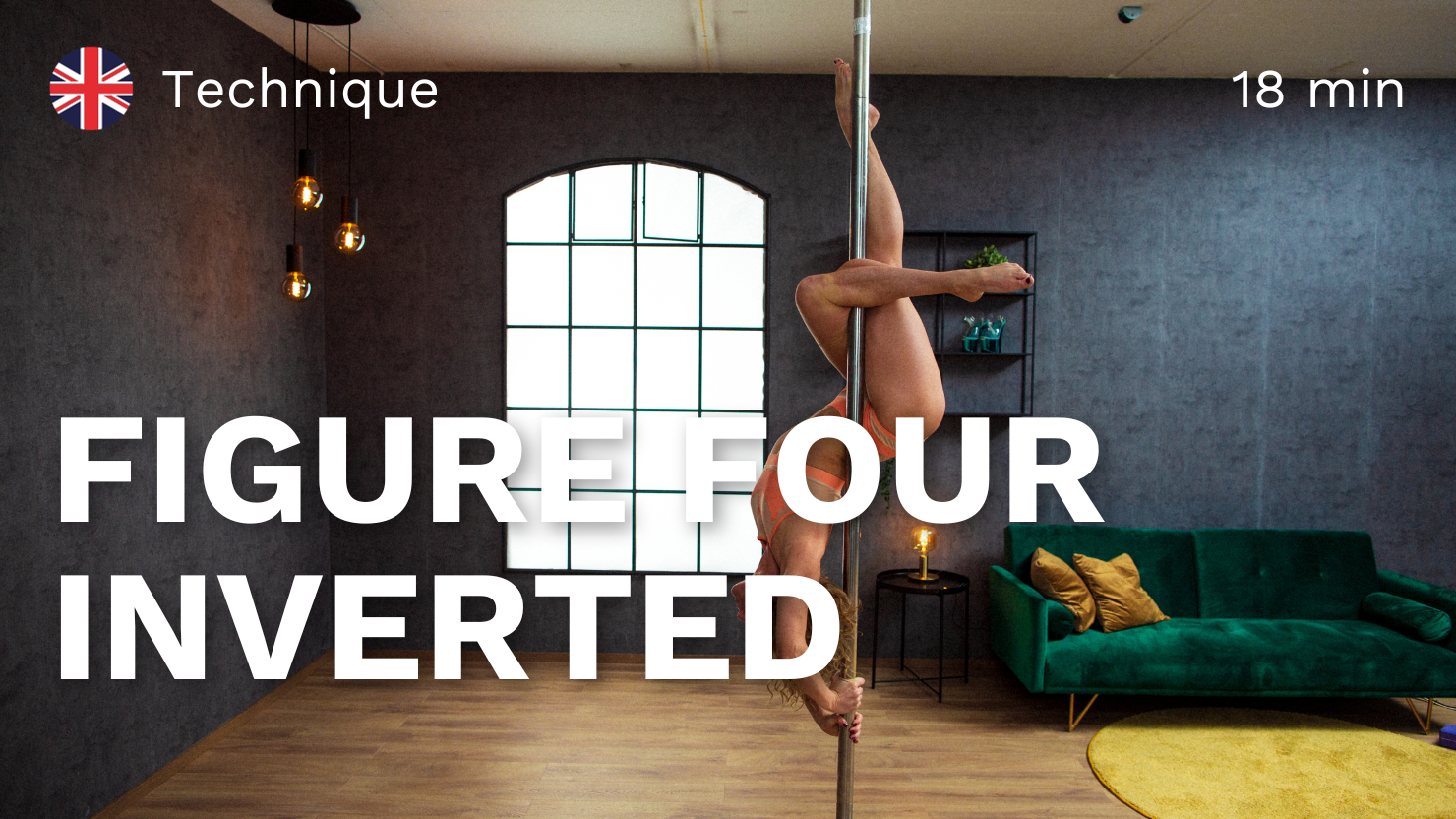
Once your Inverted Teddy feels familiar, play with your legs: a tight tuck, a wide straddle, a long split or one leg bent into a softer shape. It also links nicely with other inverted holds in short combos. If you want something with a different feel, the Figure Four Inverted keeps you upside down too, but lets your legs do the holding instead of your upper body.