The Allegra, explained
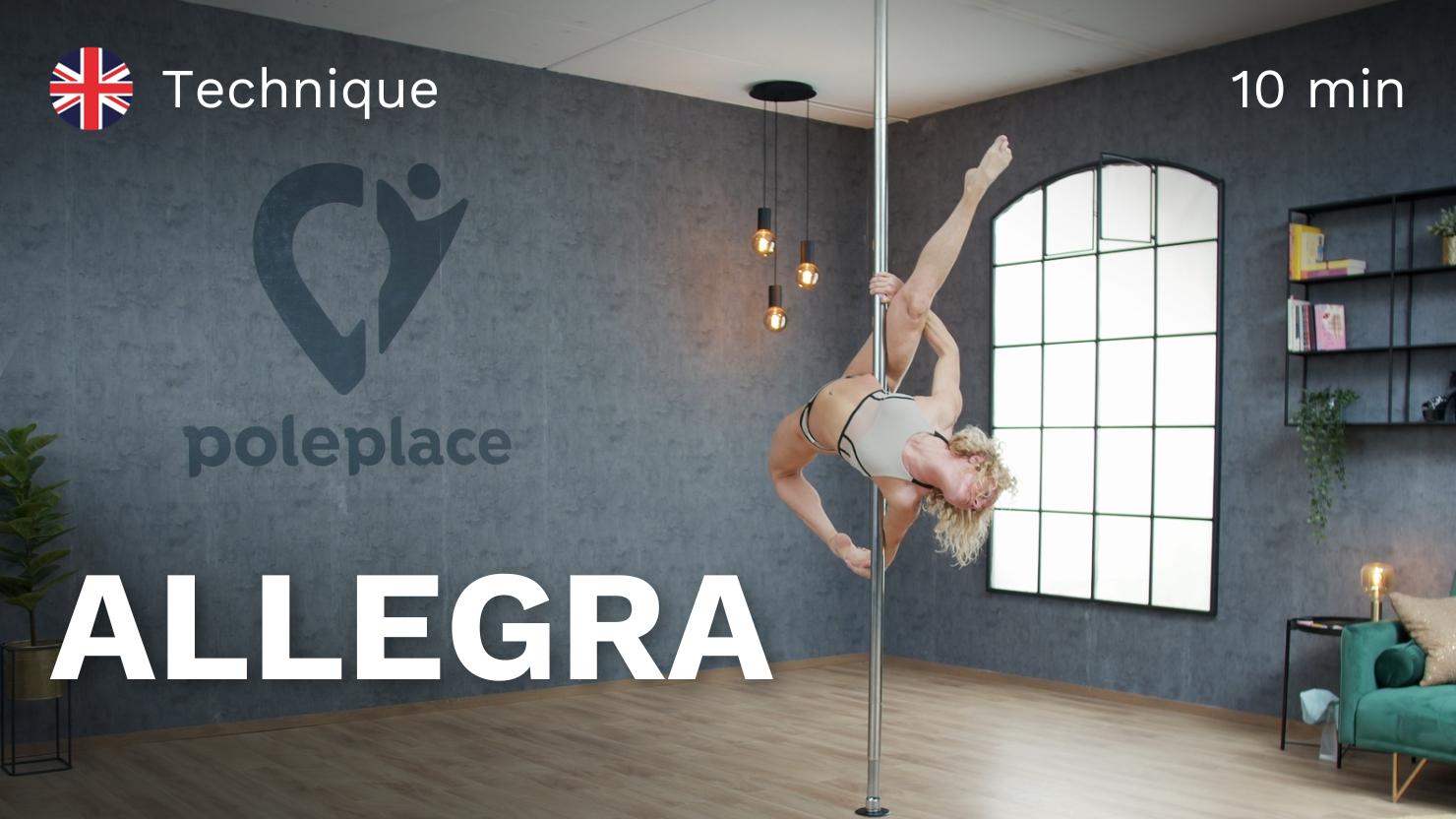
The Allegra pole move is pure poster material: you’re upside down, your legs open into a split and your whole body curves into a soft arch beside the pole. It’s an advanced shape that brings together everything you’ve been building, from inverts to flexibility, and holding it for the first time feels like a real celebration.
What is an Allegra in pole dance?
At its heart, it’s an inverted split. One leg stays connected to the pole, the other opens away into a split, and your torso bends and opens so the whole line looks long and curved. You’ll usually see two versions: an open version with the outside arm free, and a closed version where the arm reaches back towards your foot, which turns the shape into an almost circular line. Both are the same move, just with a different finish.
Is the Allegra good for beginners?
Not yet, and that’s okay. The Allegra is an advanced pole dance move, so it’s something to look forward to rather than something to rush. If you’re at the start of your pole journey, every climb, sit and invert you learn now is quietly preparing you for it. Think of it as a lovely goal on your horizon.
What the Allegra builds: flexibility, strength and body awareness
This shape asks for a mix. Flexibility in your hips and splits gives you the open legs, and a mobile upper back and shoulders create the arch. At the same time your back, shoulders and core are working to hold the shape actively, so it’s not a passive stretch. You’ll also notice the pole pressing into your side at first, which is something many dancers feel while learning it. Bare legs and skin without lotion help you stay connected.
Allegra tips: static or spinning pole?
The Allegra is usually learned on a static pole, where you can take your time to find the line and get comfortable. On a spinning pole the shape turns with you, which looks magical but adds a lot of sensation when you’re upside down in a split. Let the static version feel familiar first. And give your flexibility training some love on the days you’re not at the pole, it pays off here.
How you learn it at POLEPLACE
At POLEPLACE, the Allegra follows the Floor-Stand-Air Method™. You explore the split and the arch on the floor first, then prepare the position standing, and only then take it into the air. The tutorial and your coach handle the details, so you can focus on how it feels in your body.
What to learn before and after
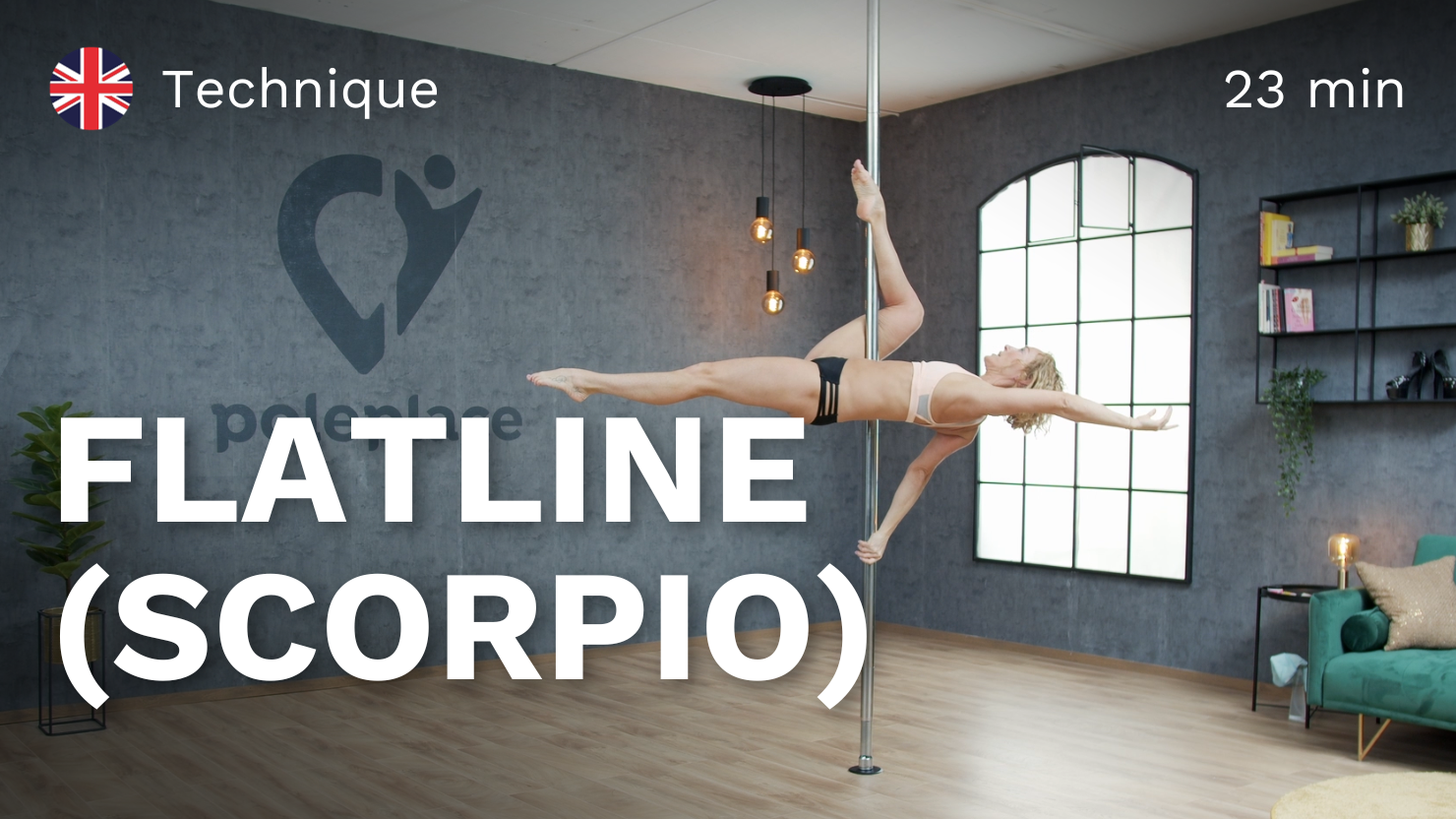
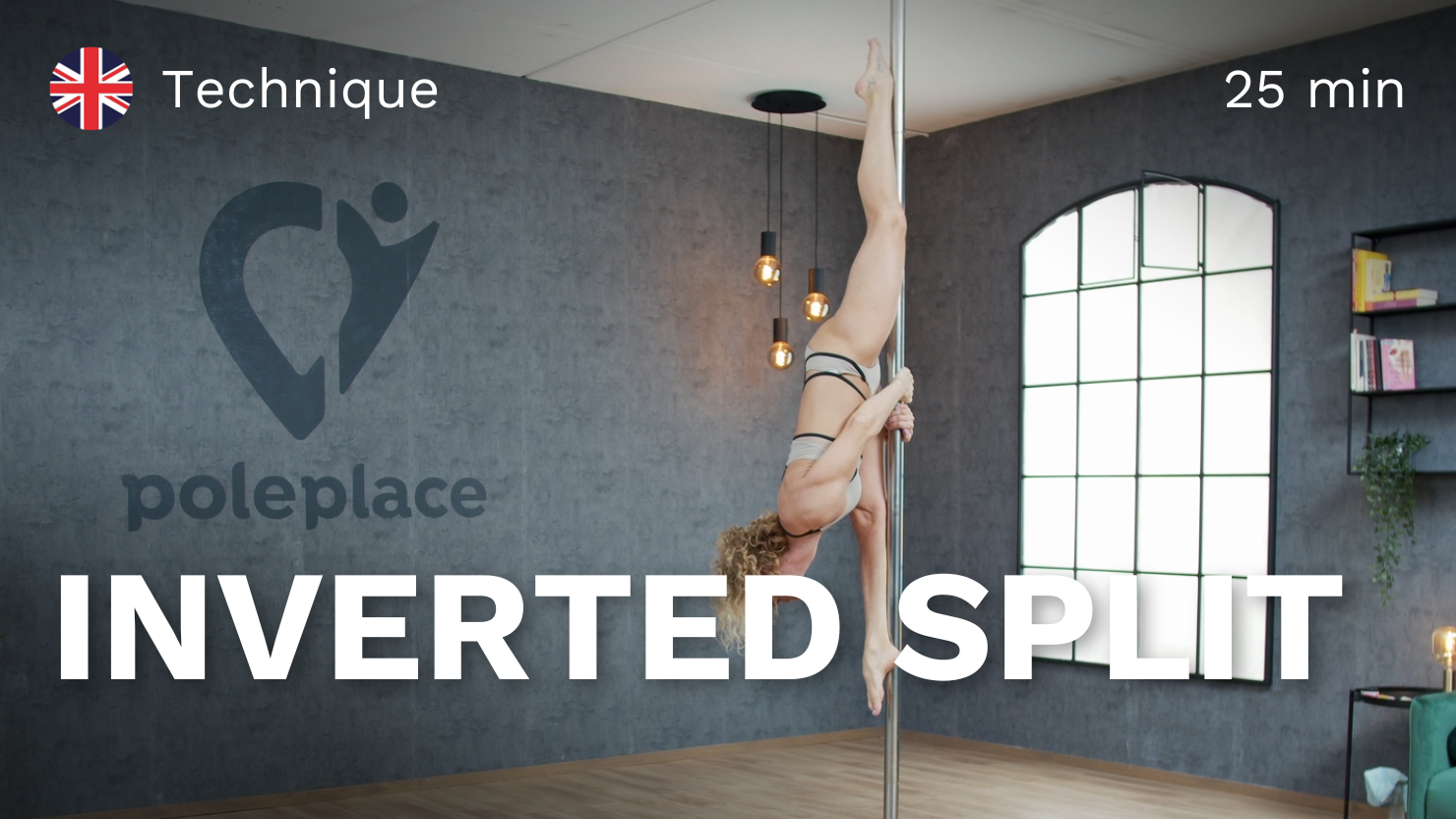
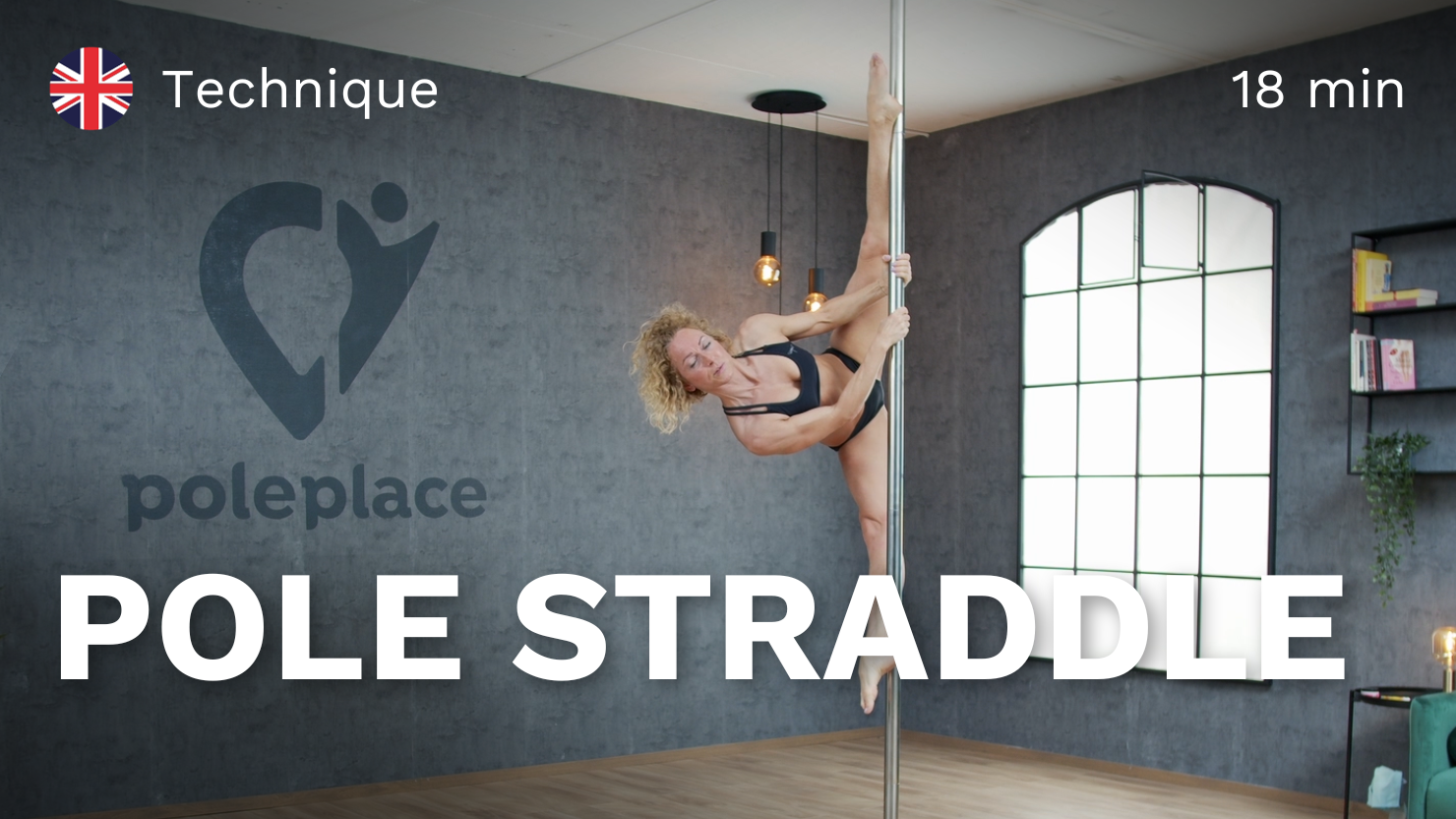
Before: confident inverts, an Inside Leghang you feel at home in, a steady Flatline, and a Pole Straddle that feels secure. Working on your Inverted Split helps with the leg line. After: it becomes a stunning highlight in your combos, and it’s a natural bridge to more flexible inverted shapes.