The Inverted Split, explained
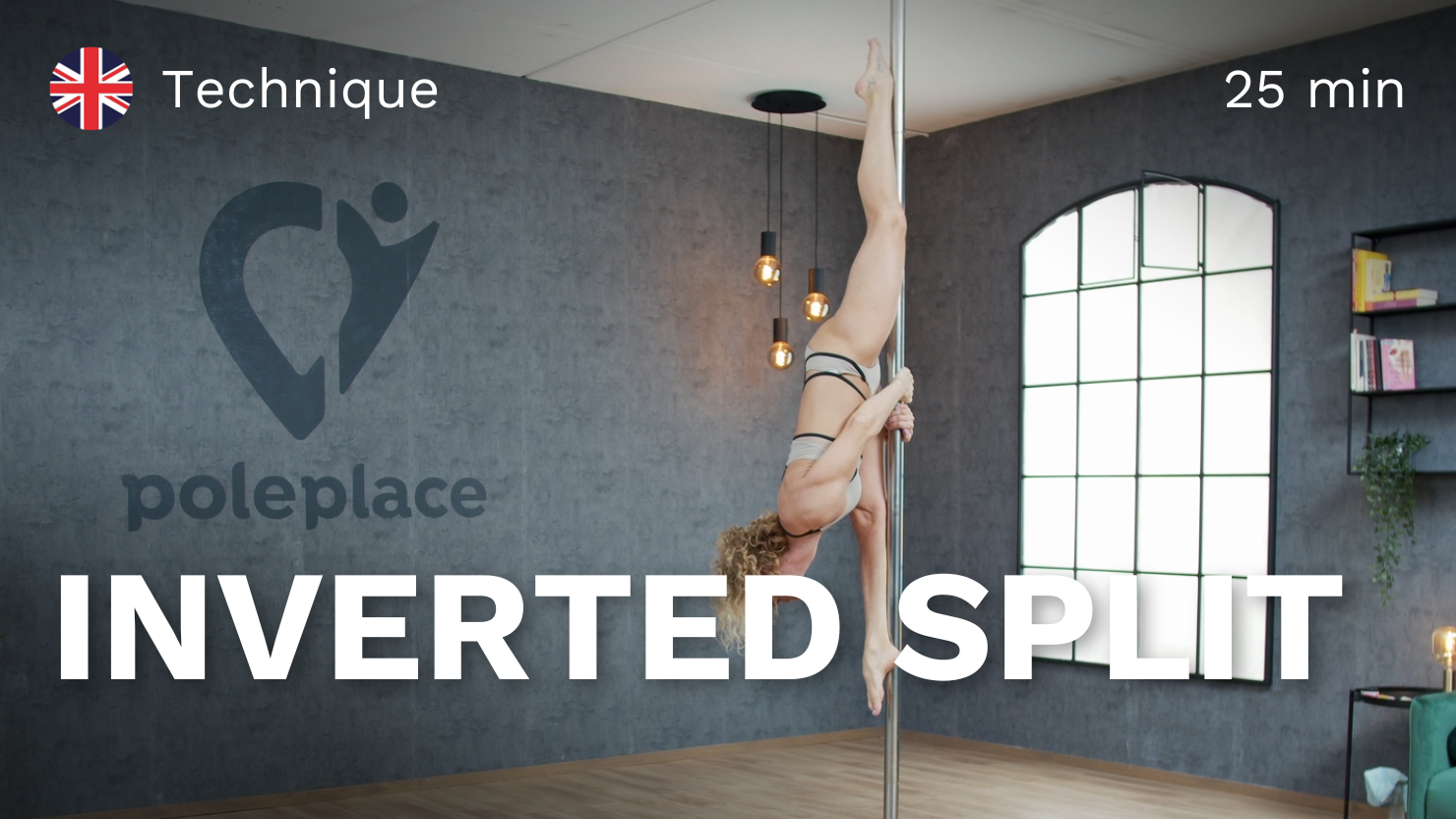
The Inverted Split pole move is where strength and flexibility meet upside down. You hold yourself inverted on the pole while your legs open into a long split along it, one reaching towards the ceiling, the other towards the floor. It is a striking shape in any routine, and for many dancers it is the moment their split training finally shows up in the air.
What is an Inverted Split in pole dance?
In this pole dance move, your head is down, your hips are up, and your legs stretch away from each other in a vertical line that follows the pole. Your hands and arms hold you, your body stays close to the pole, and the open legs create that long, clean silhouette people love to photograph. How you get into it, how you hold the pole and how you come back down again are things the tutorial and your coach walk you through in detail.
Inverted Split pole dance for beginners?
It is not a first-week move, and it does not need to be. It comes once you can go upside down calmly and with control, so it makes a wonderful goal after your Invert. If your legs do not open as far as you would like, or the shape feels heavy at first, you are in good company. That is how almost everyone starts, and the line keeps growing with you.
What it builds: strength, flexibility and grip
This shape works your shoulders, arms, upper back and core, and it trains your grip while you are inverted. At the same time it asks for flexibility in your hamstrings and hip flexors, so your floor split and your pole training support each other. Regular stretching and a little conditioning off the pole make a real difference. And as always: shorts or bare legs, no body lotion before training and clean, dry hands.
Static or spinning pole?
Most dancers learn the Inverted Split on a static pole first, so everything stays still and you can focus on your line. On a spinning pole the shape turns slowly with you, which looks beautiful and asks for even more control. Once the static version feels steady, spinning mode is a lovely next adventure.
How you learn it at POLEPLACE
With the Floor-Stand-Air Method™, you explore the split and the strength on the floor first, practise the positions standing at the pole, and only then take the shape into the air. At POLEPLACE you can repeat each stage as often as you need, in your own space and at your own pace.
Inverted Split tips and what comes next
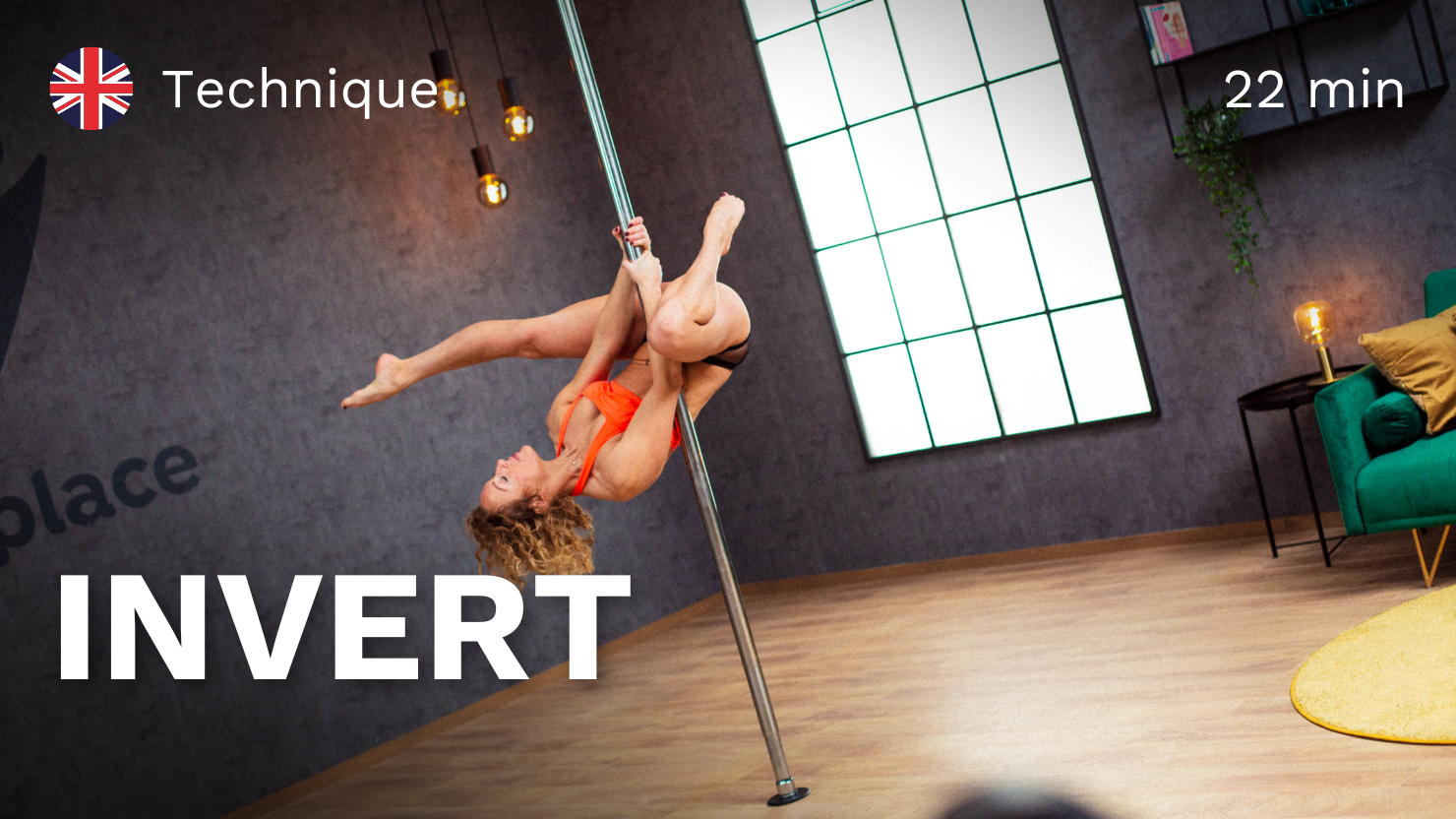
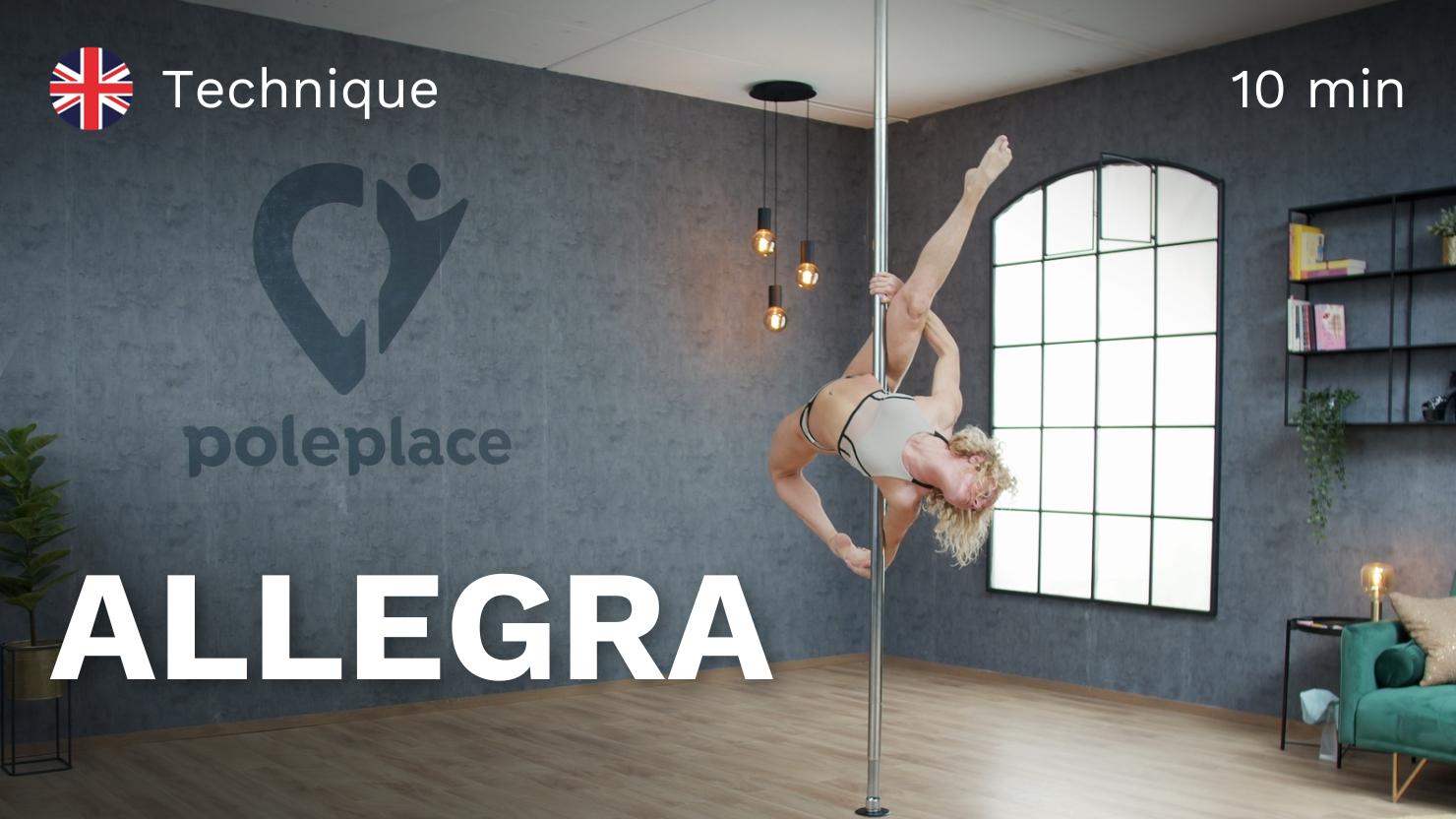
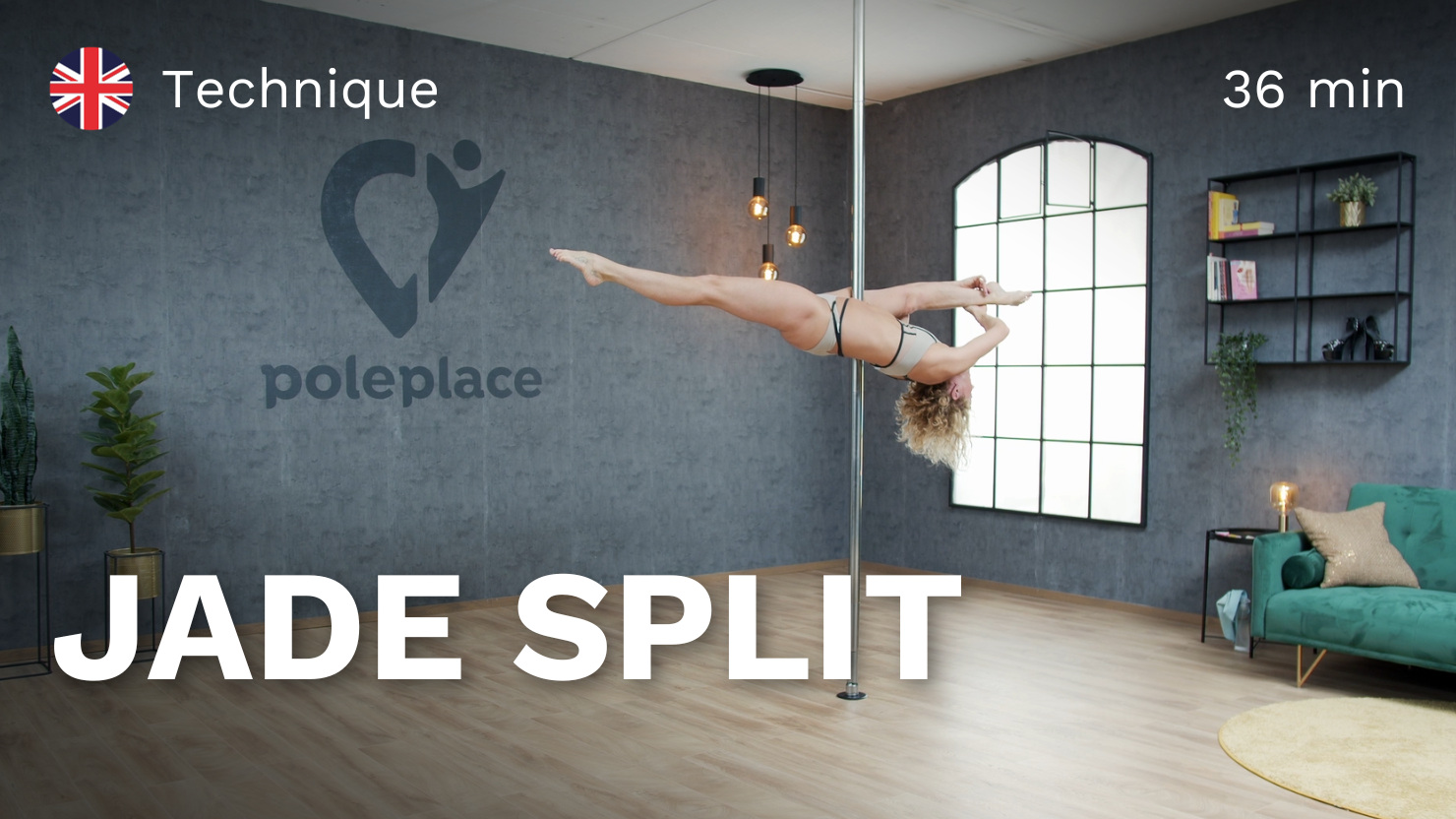
Be patient with your split and kind to your body on days when it feels tighter. Your Basic Front Split on the floor is a great companion. Once your Inverted Split feels steady, it opens the door to more flexible inverted shapes: the Jade Split plays with the same open legs in a different hold, and the Allegra adds a beautiful arch. If you love this line, you will find many more inverted split shapes to explore at POLEPLACE.