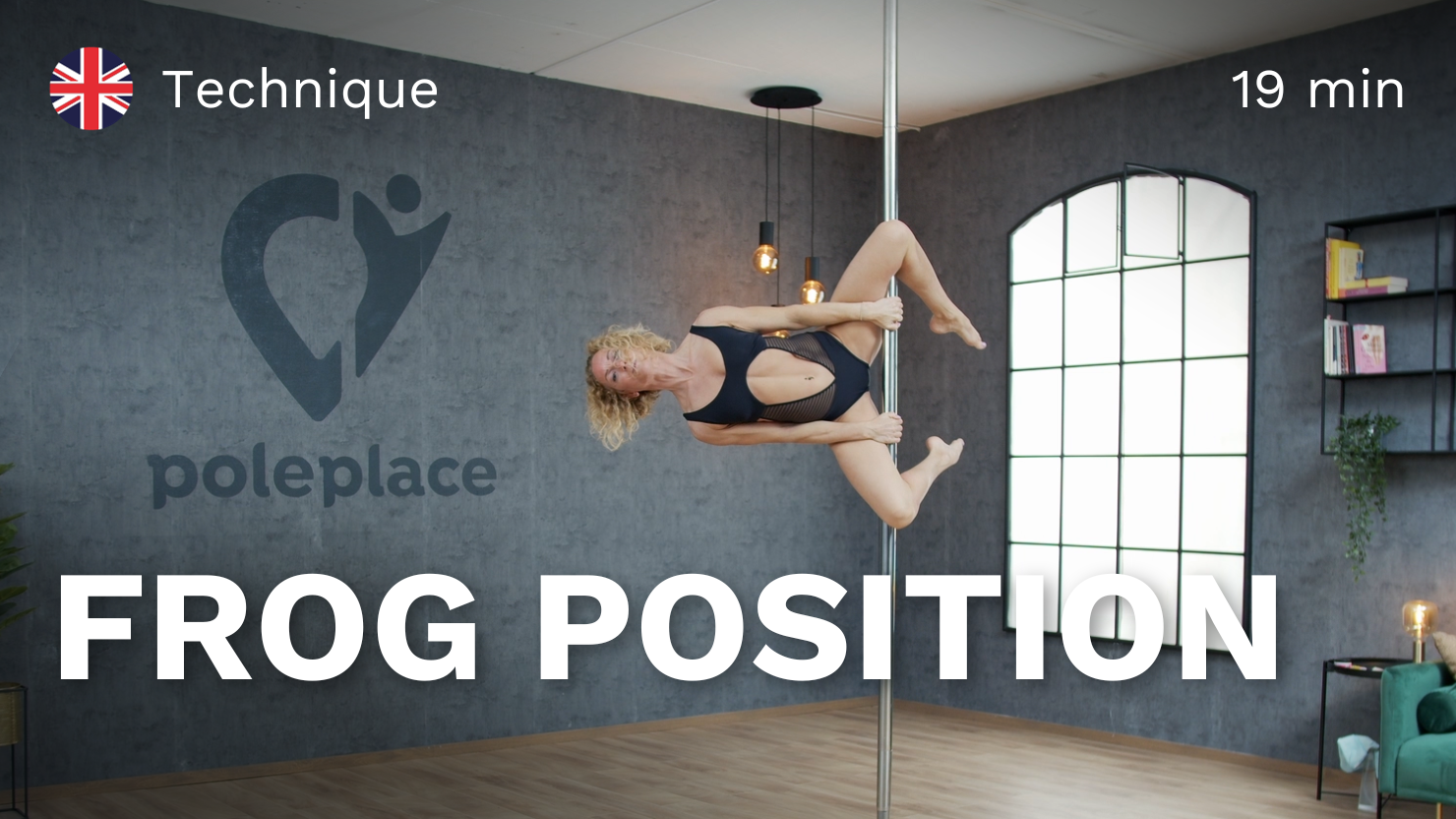
The Frog Position, explained
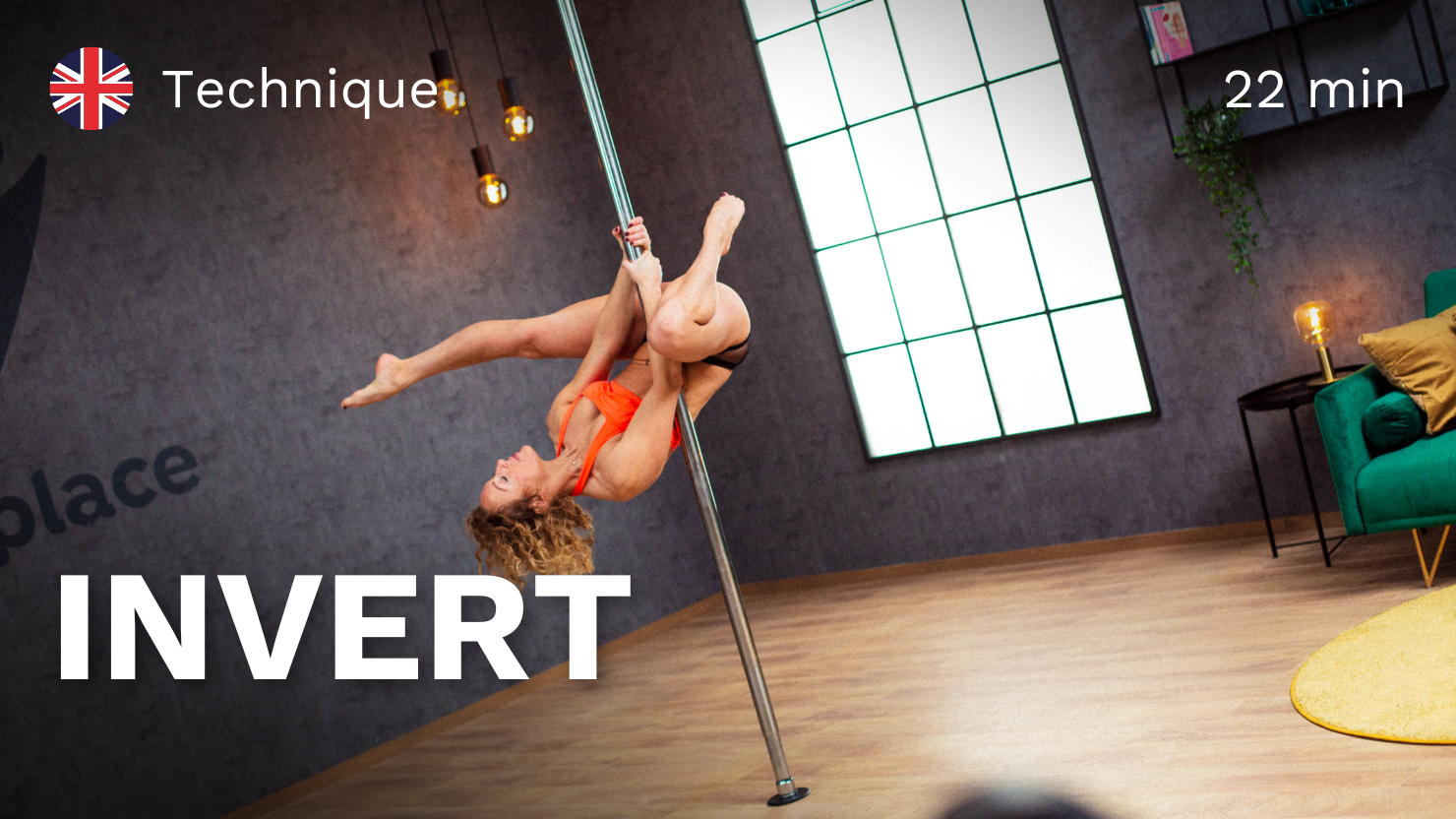
The Frog Position sounds funny, and it looks a bit funny too, in the best way. Your knees bend and open out to the sides, your body stays compact and close to the pole, and from here a whole range of new tricks opens up. It is a small shape with a big job.
What is the Frog Position on the pole?
The Frog Position is a compact shape in which your knees are bent and opened outwards, a little like a frog, while your hands and upper body do much of the holding. It is used as a transition and an entrance into several other pole techniques, which is why it matters so much. How your grip works, where your legs go and how you move in and out safely is explained step by step in the tutorial, in English and German.
Is the Frog Position good for beginners?
It is part of the POLEPLACE Essentials Level 2, so it comes once the first-level basics feel steady. A controlled Invert helps a lot. If your first tries feel wobbly or heavy, that is normal: your shoulders and core are learning a new way to hold you.
Static or spinning pole?
Start on a static pole, where the shape stays still and you can find your balance. On a spinning pole the Frog turns with you, which adds momentum, so it makes sense once the static version feels calm.
What it builds: upper body strength and control
The Frog Position trains your shoulders, arms and core, and it teaches you to stay compact and in control. That control pays off in many later tricks. Conditioning off the pole helps the shape feel lighter over time, and a crash mat under the pole gives you peace of mind.
How you learn it at POLEPLACE
With the Floor-Stand-Air Method™ you practise the compact leg shape and the strength on the floor first, then prepare the grip standing at the pole and only then lift into the Frog. Step by step, in your own space and at your own pace.
What comes next
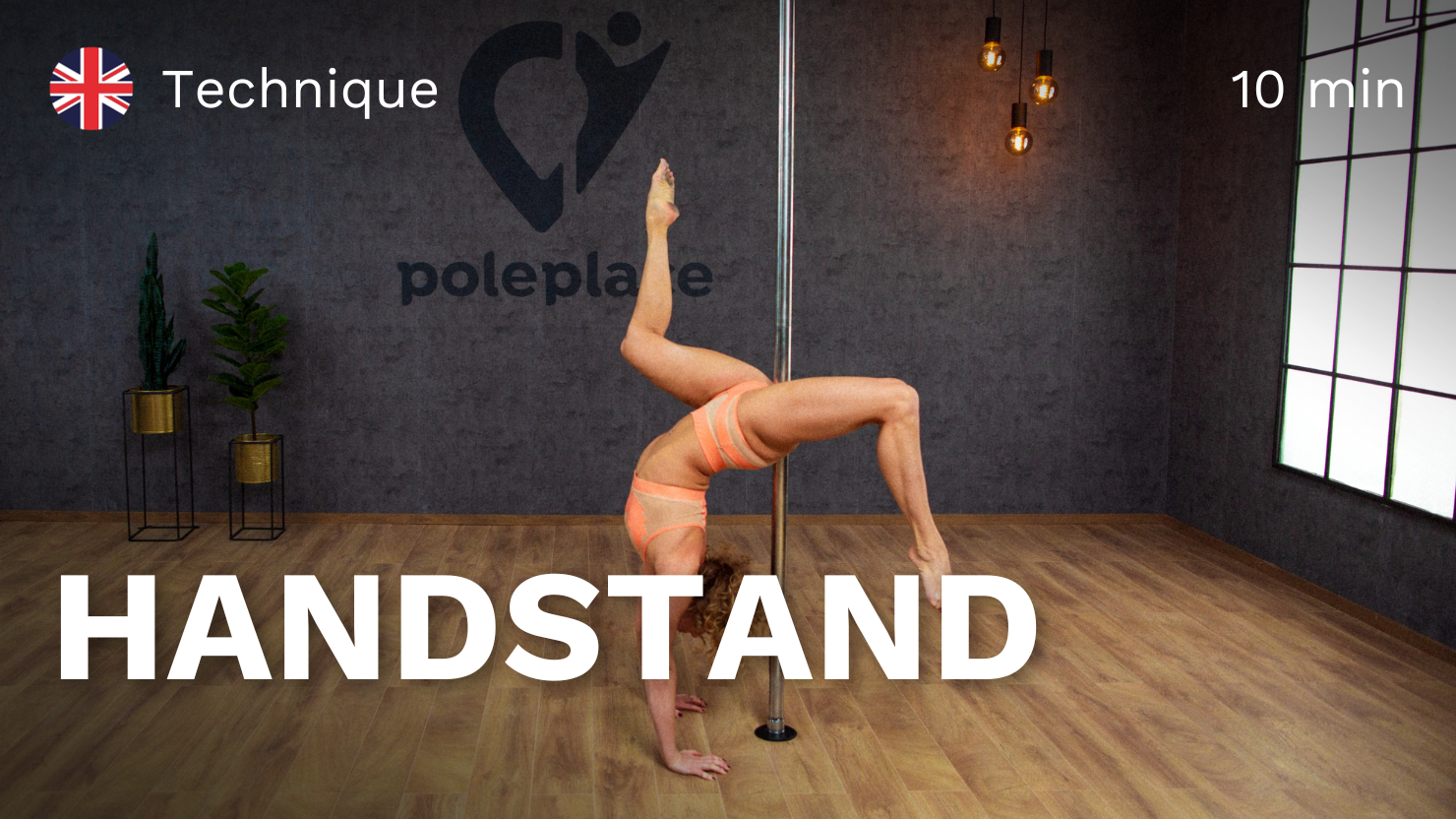
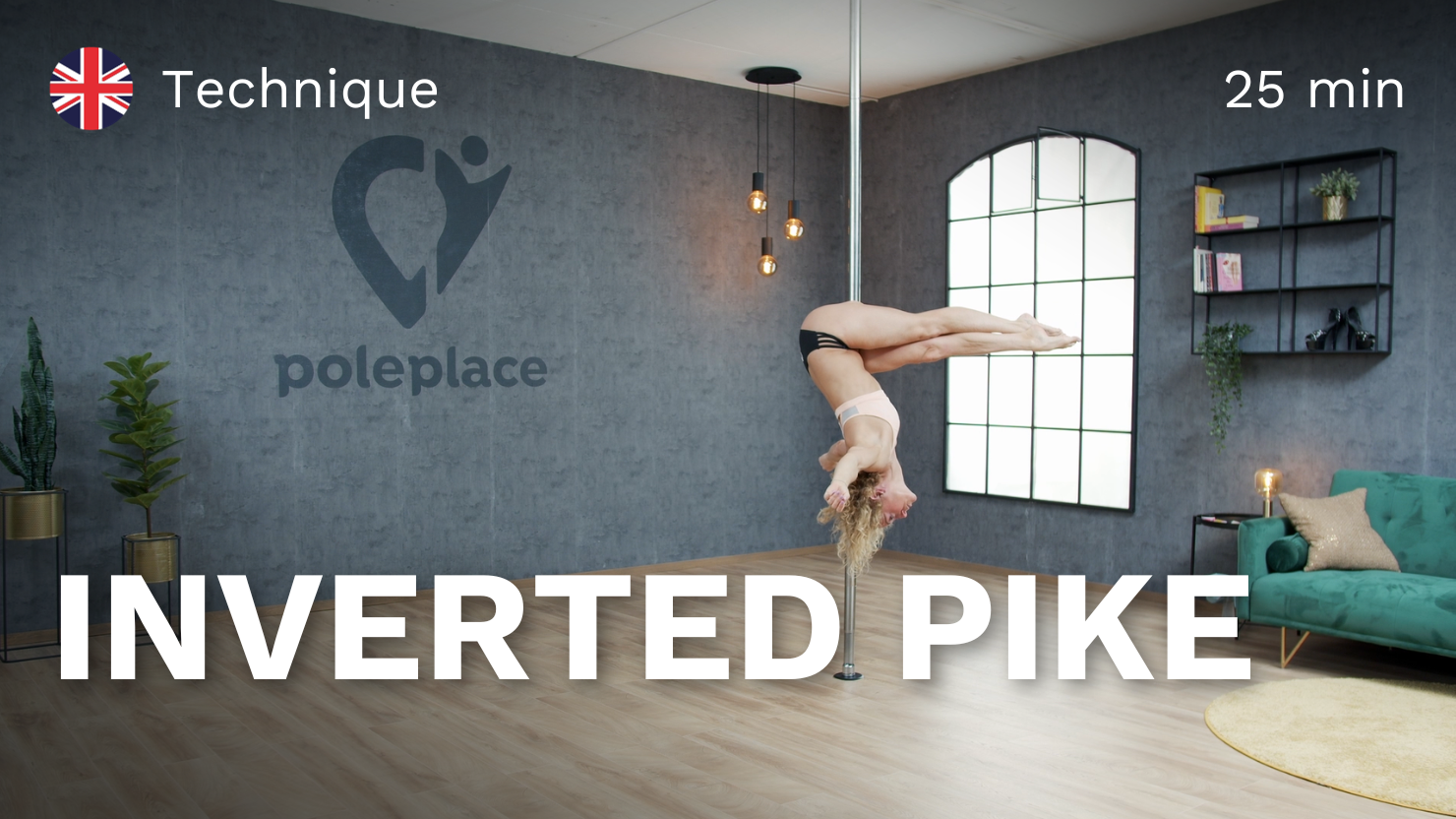
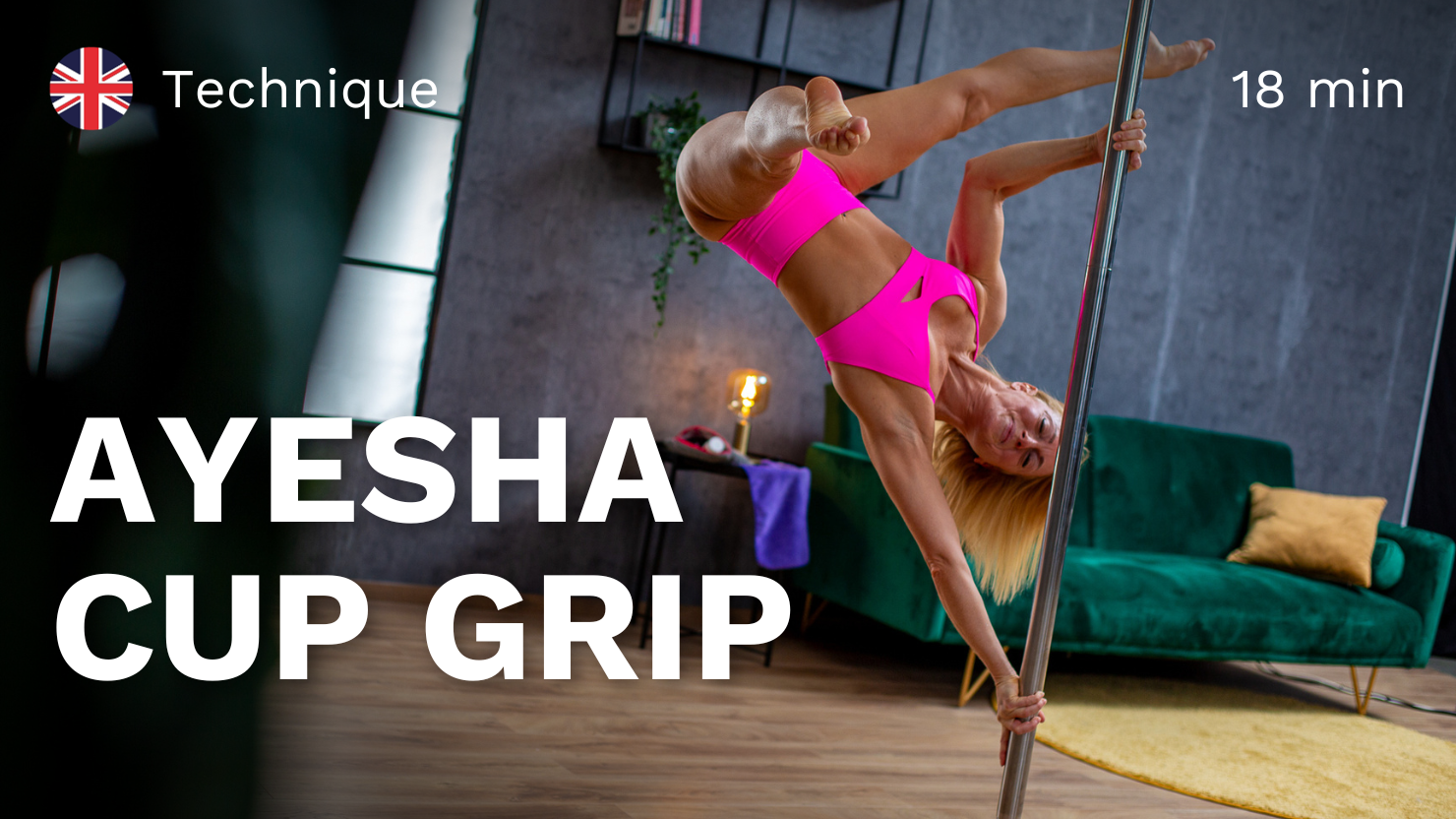
Once your Frog feels steady, it opens the door to new moves. The Inverted Pike trains the same kind of control with straight legs, and on your way to bigger goals like the Ayesha or the Handstand you will meet this kind of strength again and again.