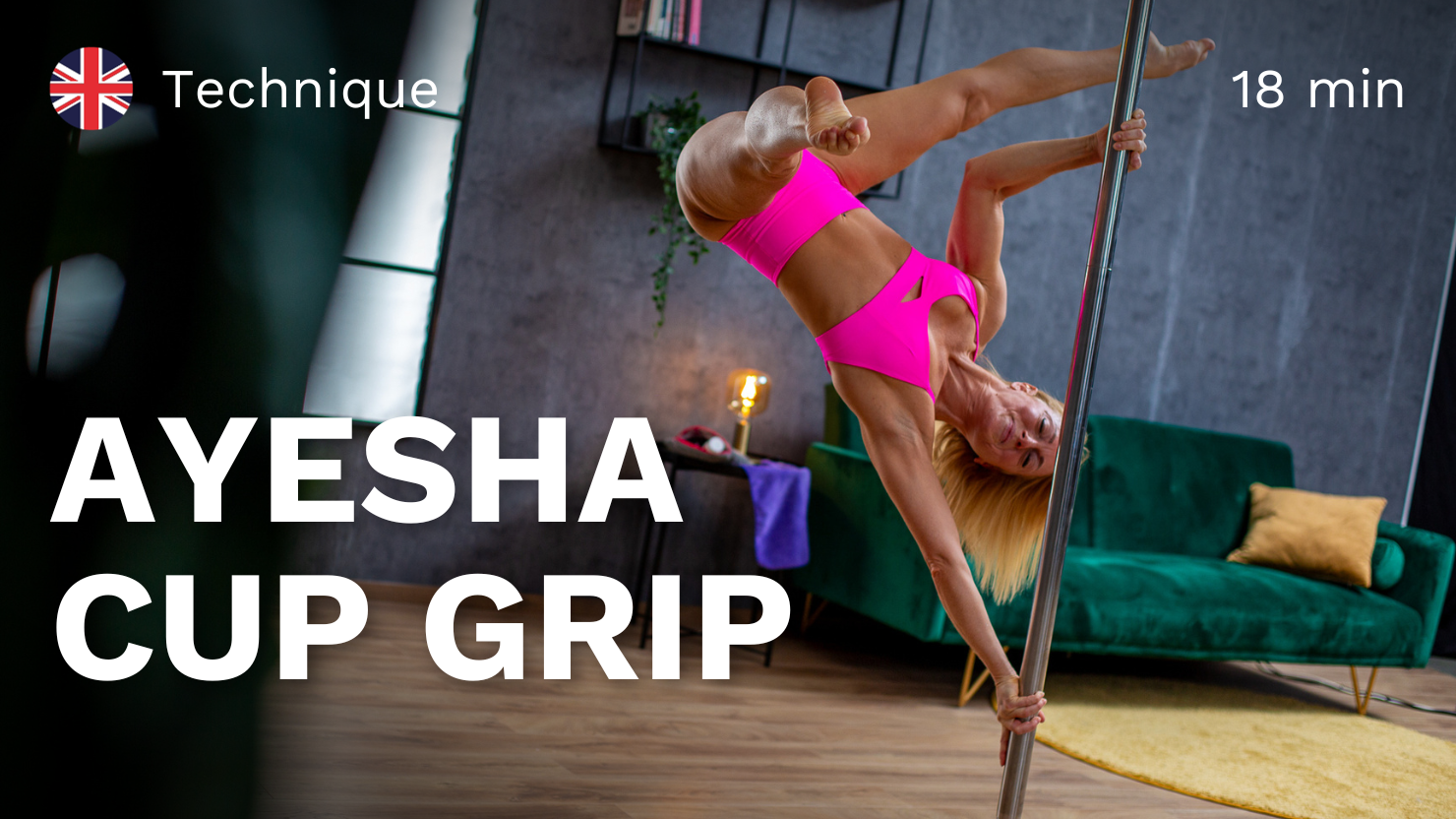
The Ayesha, explained
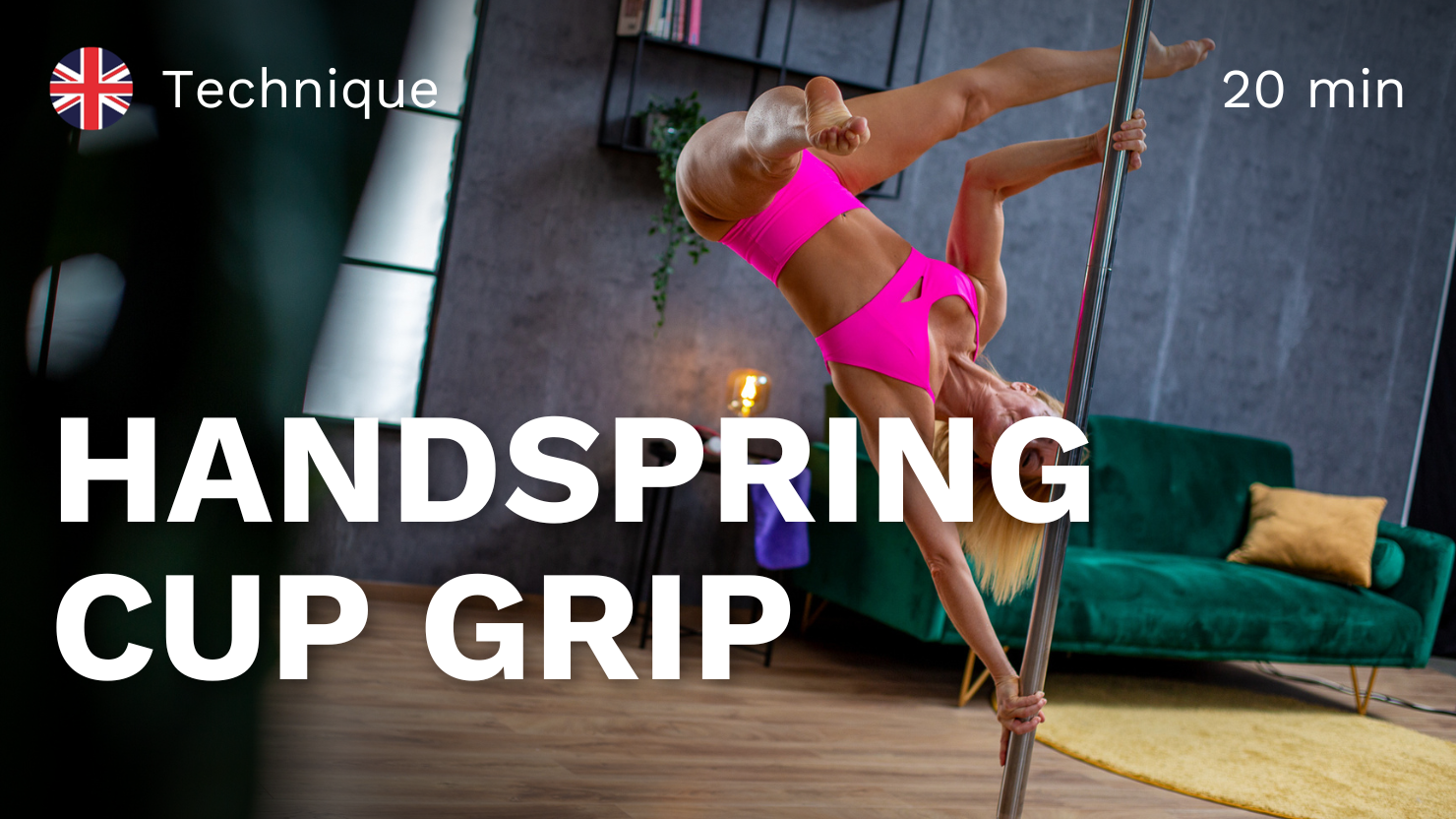
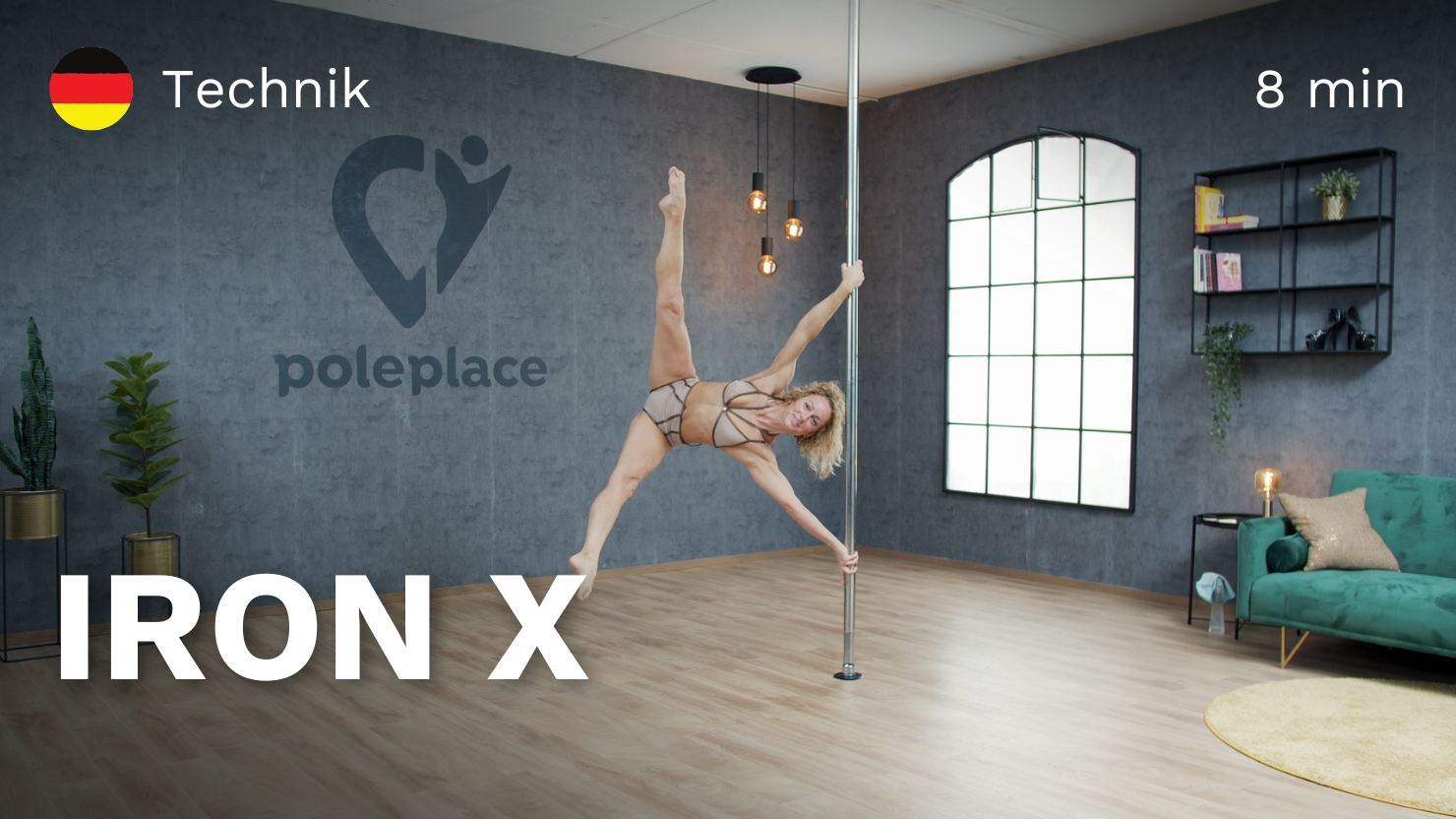
The Ayesha pole move is one of those shapes that makes people stop scrolling. You are upside down, held only by your hands and arms, with your legs opened wide in the air. It is a big milestone in the advanced part of your pole journey and a doorway to tricks like the Handspring and the Iron X.
What is an Ayesha?
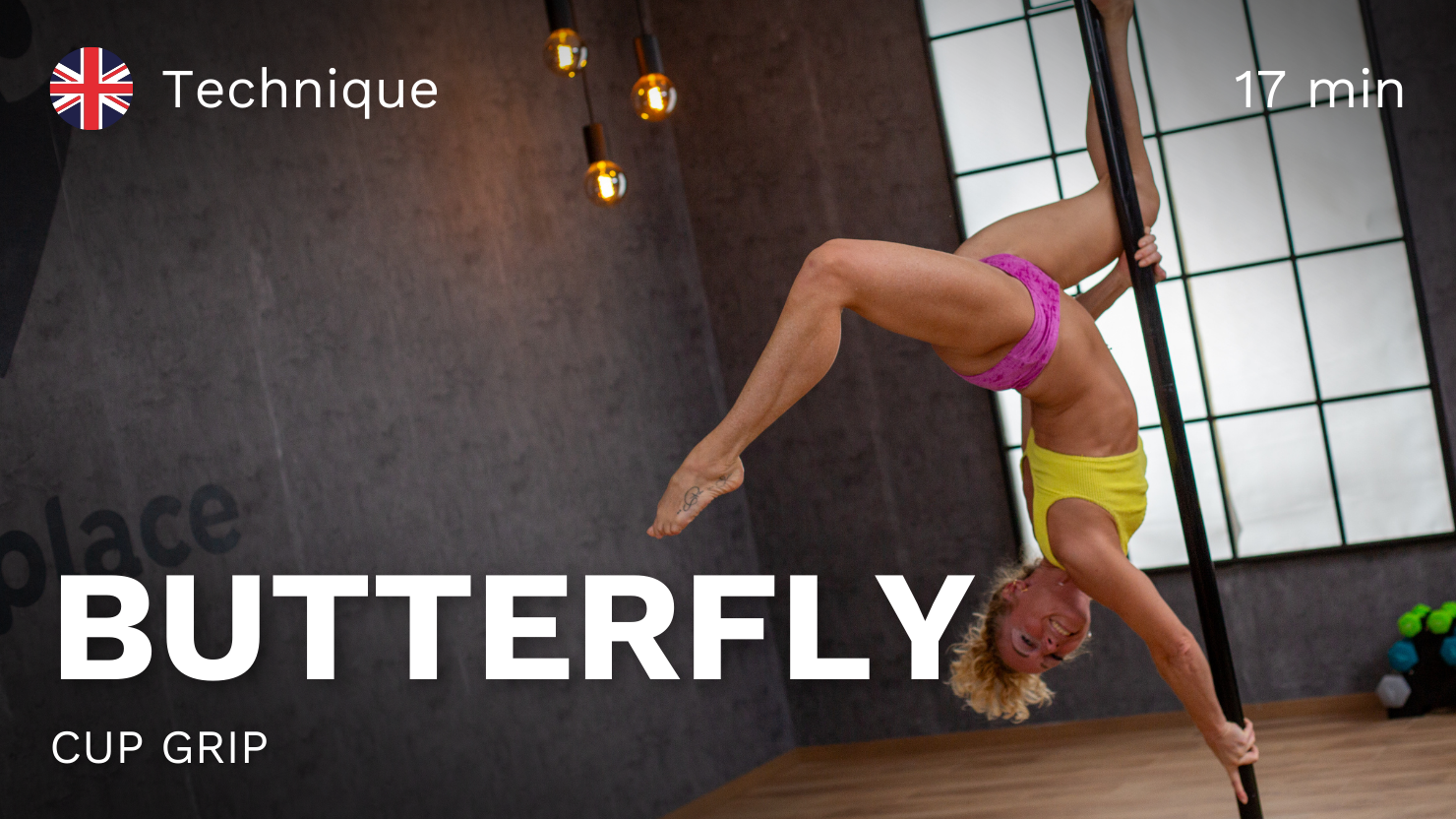
In this pole dance move, your body is inverted beside the pole and your legs do not touch it at all. Your hands, or in some grips your arm, are your only connection, while your legs open into a V or a straddle. You will also see it spelled Aisha or Aysha, and all three names mean the same move. From the outside it looks light and floaty. On the inside, your whole body is working together to keep it that way.
Is it a move for beginners?
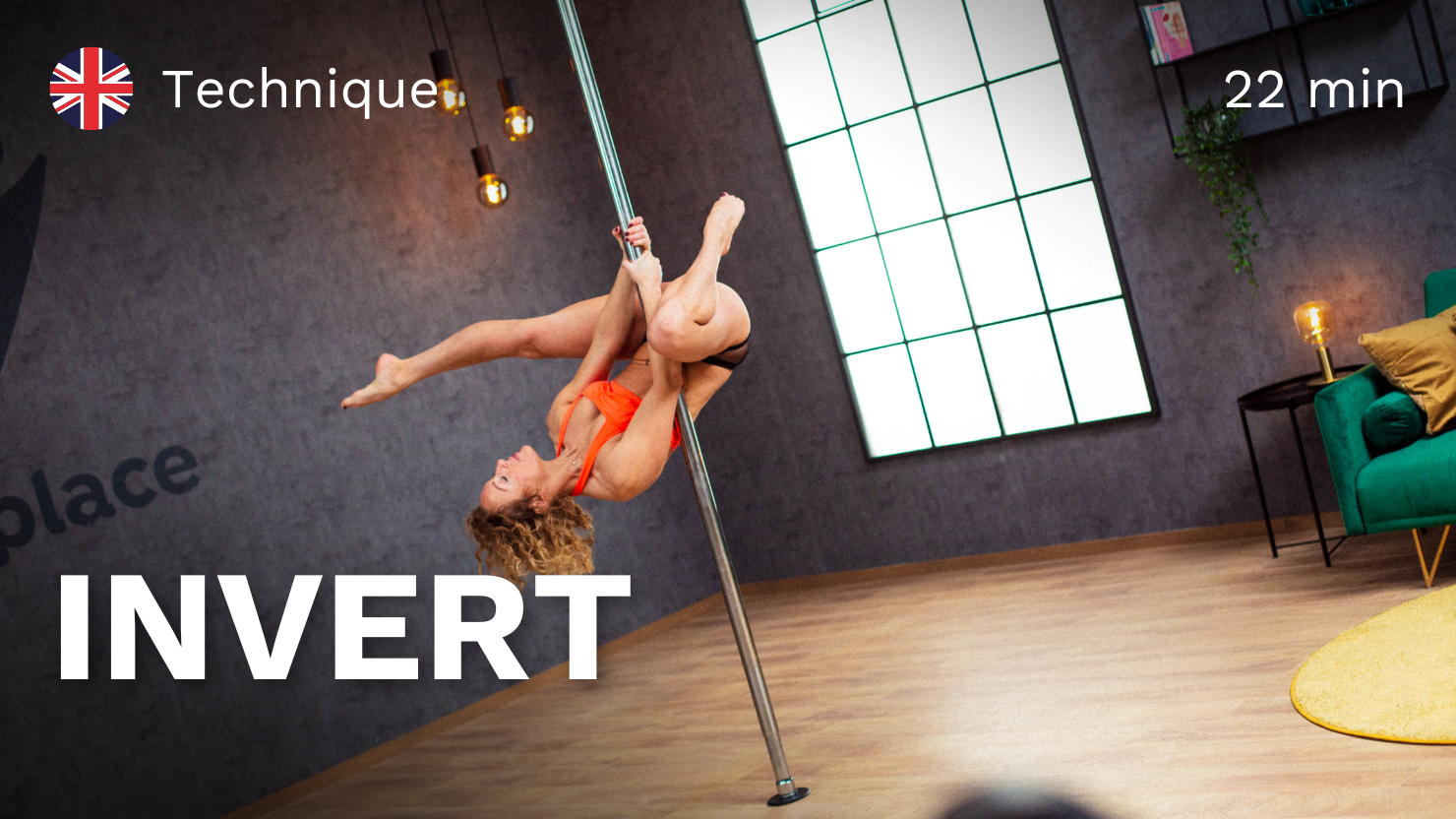
Not yet, and that is completely fine. The Ayesha comes once you feel at home upside down. Most dancers get there after a solid Invert and a steady Butterfly, often with in-between shapes like the Extended Butterfly. If it still feels far away, you are simply collecting the strength it is built on, and every invert you practise today already counts towards it.
What it builds: strength, grip and trust
With no leg on the pole to share the load, your shoulders, arms, back and core do a lot of the work here. You also train your grip and your sense of where your body is when you are inverted. Flexibility in your legs makes the V look wide and open, but it is not what holds you up. Feeling heavy, shaky or stuck at the start is part of the process for almost everyone. Your body is learning something new, and that takes repetition and a bit of patience with yourself.
Ayesha pole grips: the variants
One of the most fun parts of this move is that you can hold the same shape in many different grips. On POLEPLACE you will find tutorials for the Normal Grip, Twisted Grip, Cup Grip, Elbow Grip, Flag Grip, Football Grip and Forearm Grip, plus the Ayesha Reverse. Each grip changes how the move feels, which muscles work hardest and how the line looks from the outside. Some feel friendlier, others are more demanding, so start with the one your coach recommends and explore the rest one by one. If you would like a guided path through them, there is also a course for this.
Static or spinning pole?
Most dancers learn it on a static pole first. The pole stays still and you can focus fully on the shape. On a spinning pole, the shape turns slowly with you, which looks beautiful and feels a little like floating, but it also adds movement while you are upside down. Spinning is a lovely next challenge once the static version feels calm.
How you learn it at POLEPLACE
With the Floor-Stand-Air Method™, you do not jump straight into the full trick. You get to know the shape and the leg position on the floor, build strength and arm positions standing, and only then take it into the air. Wear shorts so your skin has contact with the pole, keep your hands clean and dry, and skip body lotion on training days because it makes you slippery. The tutorial and your coach give you the exact cues. Once your Ayesha feels steady, the Iron X and the Handspring are natural next goals.