The Iron X, explained
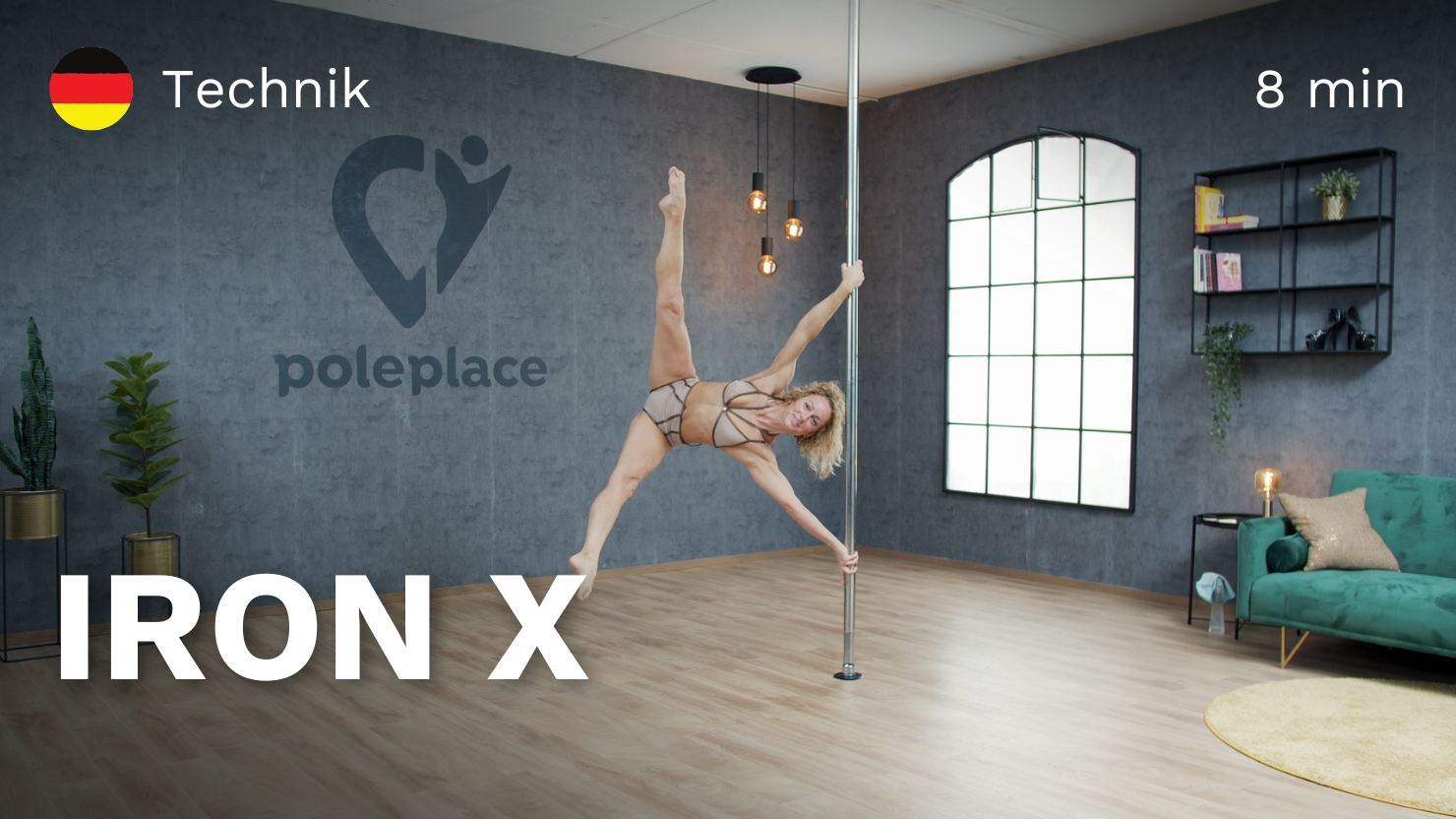
The Iron X pole trick is pure power wrapped in a beautiful shape. Your body floats out sideways from the pole, held only by your hands, with your legs open in a wide straddle so that you draw a big X in the air. Many dancers dream about this one for a long time, and every bit of strength you build on the way brings you closer.
What is an Iron X?
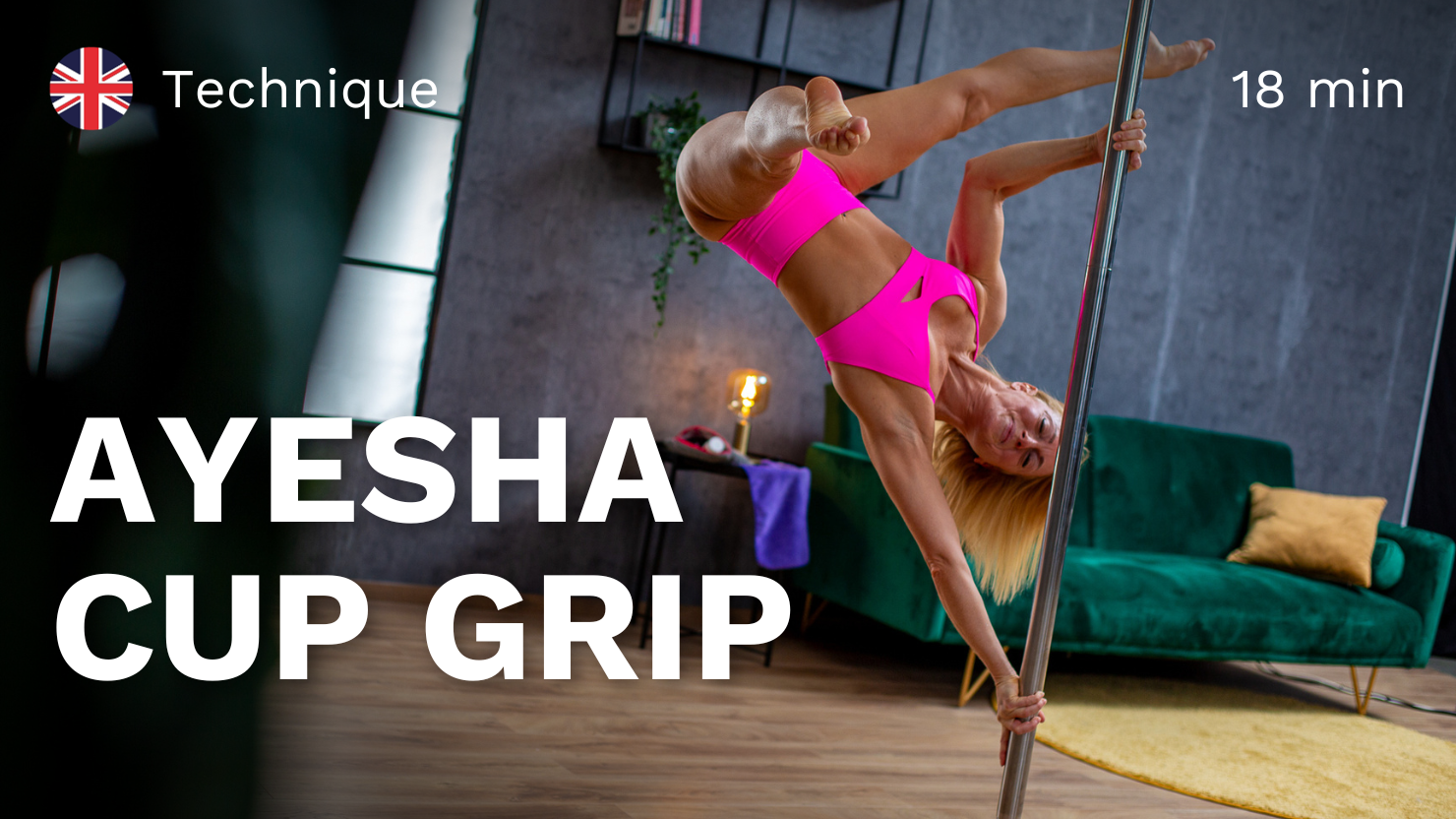
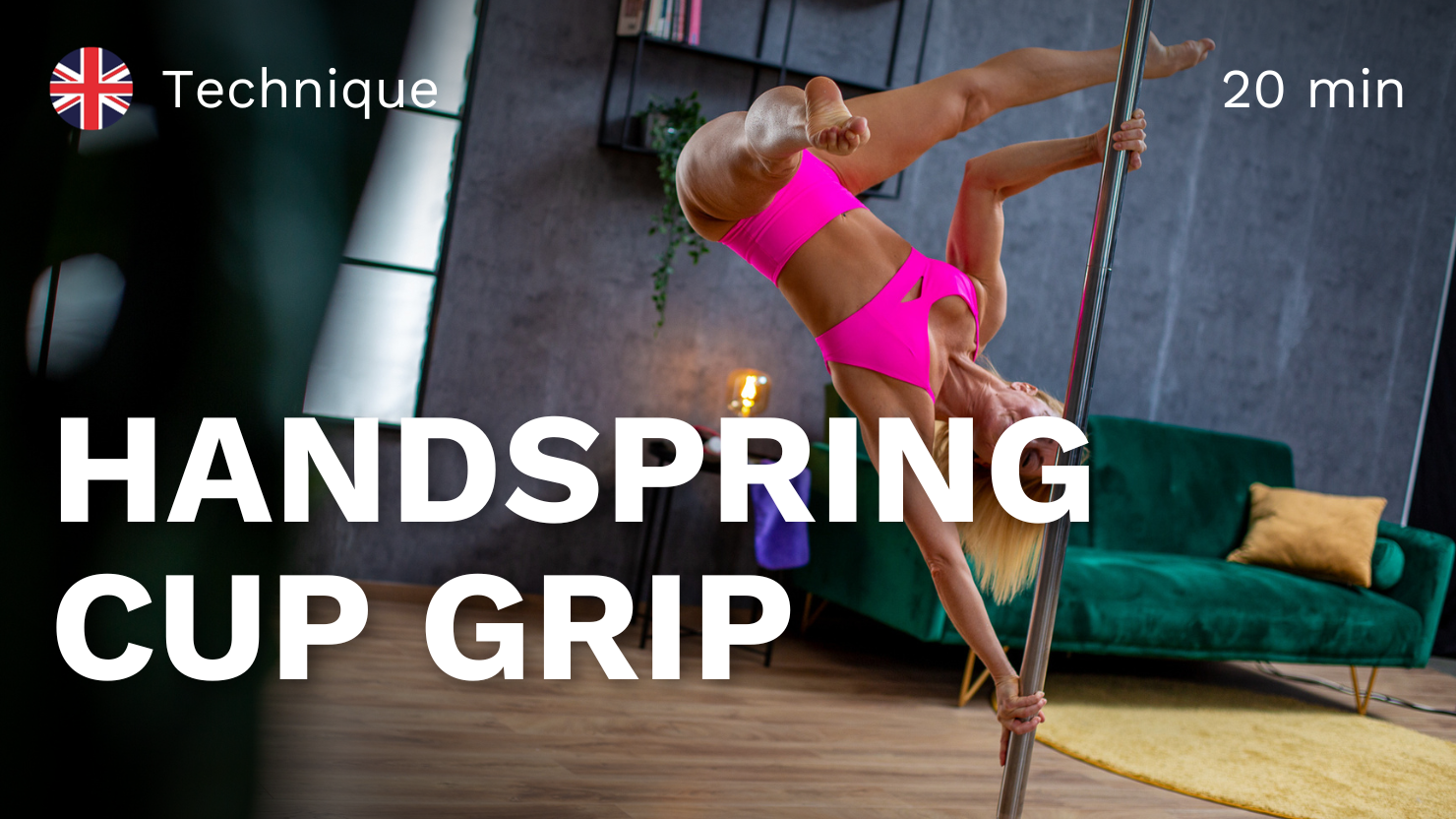
In this pole dance move, your body is held more or less horizontally beside the pole, roughly at a right angle to it. Your arms are your only connection, and your legs open into a straddle, so arms and legs together form the X that gives the move its name. It usually grows out of an Ayesha or a Handspring, which is why many dancers see it as the next big chapter after those. From the outside it looks almost weightless, while your whole body is doing serious work.
Iron X vs. human flag: what is the difference?
People often search for both, and the two are close relatives. In the Iron X, your legs are open in a straddle. In a flag, the legs come together into one long line, which makes the lever longer and the hold heavier. That is why the X is often seen as a step towards the flag, although every body finds its own order.
Is it a move for beginners?
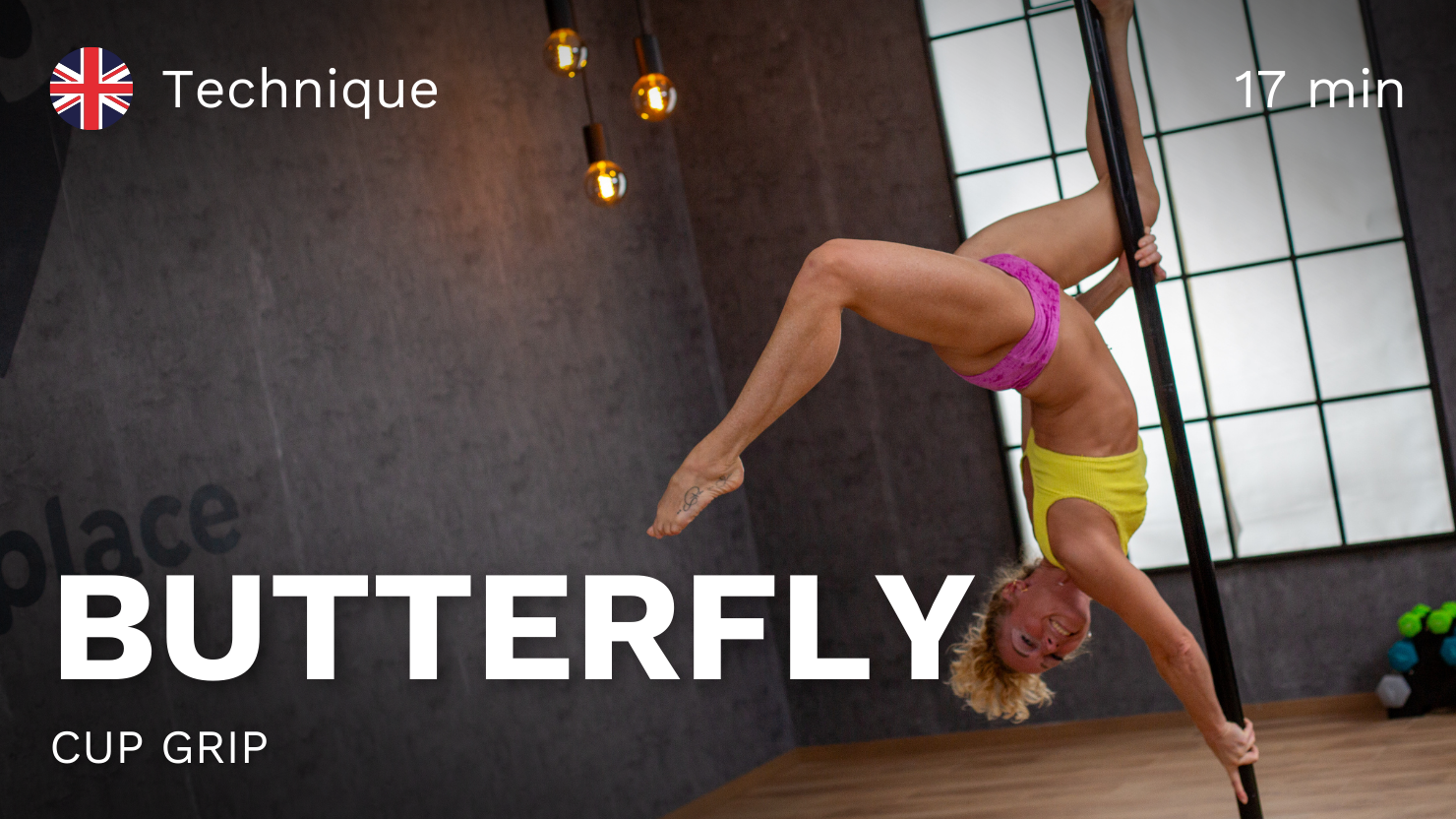
Not at the start, and there is no rush to get there. The Iron X is an advanced trick that builds on a strong, consistent Ayesha or Handspring and on a lot of upper body strength. If it feels far away right now, that is completely normal. Think of it as a long-term goal: your Butterfly, your inverts and your conditioning are all already part of the path.
Iron X pole tips: what it builds
Your shoulders, arms, back and core carry a lot here, and your hips and legs work to keep the straddle open and lifted. Because it is a held position, you train strength and control at the same time. Expect it to feel heavy at first. Sinking out of the shape sooner than you would like, or only holding it for a moment, is part of how everyone learns it. Each attempt teaches your body a little more about where it is in space, and that is real progress even when it does not look like much yet.
Static or spinning pole?
Most dancers train the Iron X on a static pole, where the pole stays still and you can put all your energy into the hold. On a spinning pole, the shape rotates with you, which can look stunning but adds movement and makes the hold feel different. It makes sense to feel at home in the static version before you explore spinning.
How you learn it at POLEPLACE
With the Floor-Stand-Air Method™, even a trick like this starts on the floor. You explore the shape and the body tension there, build strength and positions standing, and only take it into the air once those feel familiar. Shorts or bare legs, clean dry hands and no body lotion before training keep the pole from feeling slippery. Your coach gives you the exact cues and helps you decide when it is time. From the Iron X, many dancers move on to flag variations or link it with the Ayesha and the Handspring into their own combos.