The Pegasus, explained
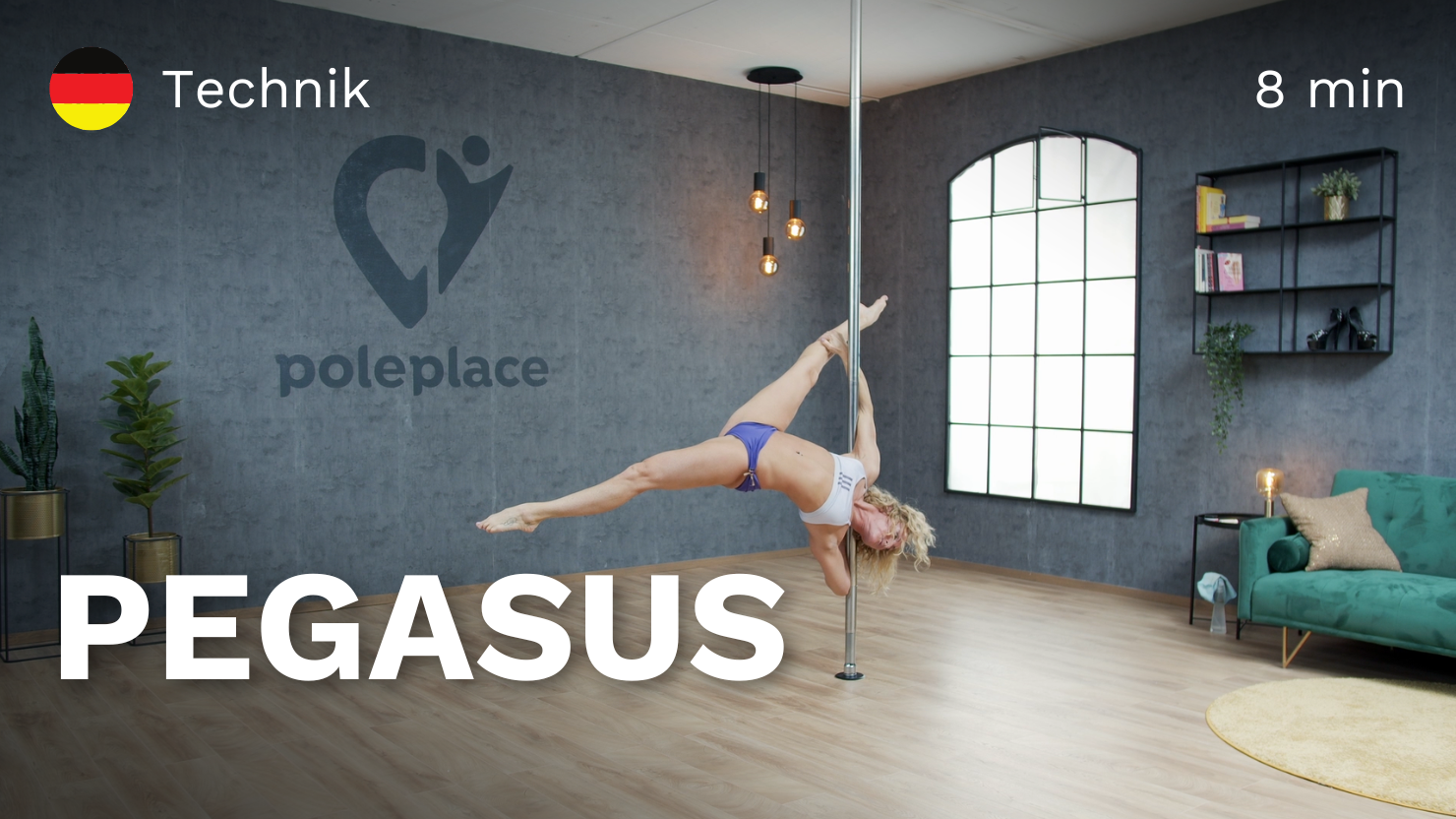
The Pegasus pole move is pure flying energy. Your body tilts low beside the pole while your legs open into a wide split, one leg reaching up along the pole and the other stretching out into the room, and the whole shape looks like it is about to take off. It is a showpiece move for when strength and flexibility start working together.
What is the Pegasus pole move?
In this shape, your upper body stays close to the pole with your head low, and your hips and legs open away from it in a long, almost horizontal line. One leg points upwards along the pole, the other extends far out to the side, so the split becomes the star of the shape. The name fits the picture: wide legs, a body in the air, a little bit of myth. It looks effortless in a photo, and that is exactly the magic of it, because it is a very active hold.
Is the Pegasus good for beginners?
This is an advanced move, and that is part of what makes it such a lovely goal. It comes after you are comfortable upside down and once your upper body feels strong on the pole. Split flexibility helps a lot, too. If your first attempts feel shaky or your legs do not open as far as you would like, you are doing exactly what everyone does on the way to this shape.
What the Pegasus builds: strength, flexibility and control
This pole dance move brings a lot together. Your shoulders, arms and core hold you in place, your hips and hamstrings open the split, and your whole body learns to stay calm while it is tilted and partly upside down. Regular conditioning and split training off the pole are your best friends here. Bare legs or shorts give you skin contact, and skipping body lotion before training helps you avoid slipping.
Pegasus on a static or spinning pole?
Most dancers build it on a static pole first, because a still pole lets you focus on the shape and your split line. On a spinning pole the shape turns slowly with you, which looks breathtaking but adds movement to an already demanding hold. Once your static version feels steady, spinning is an exciting next step.
How you learn it at POLEPLACE
With the Floor-Stand-Air Method™, you explore the split and the body line on the floor first, then prepare the shape standing at the pole, and only then take it into the air. That way each part is already familiar before you put it together. The POLEPLACE tutorial gives you the exact cues, so you can focus on how the move feels.
Pegasus tips, combos and related moves
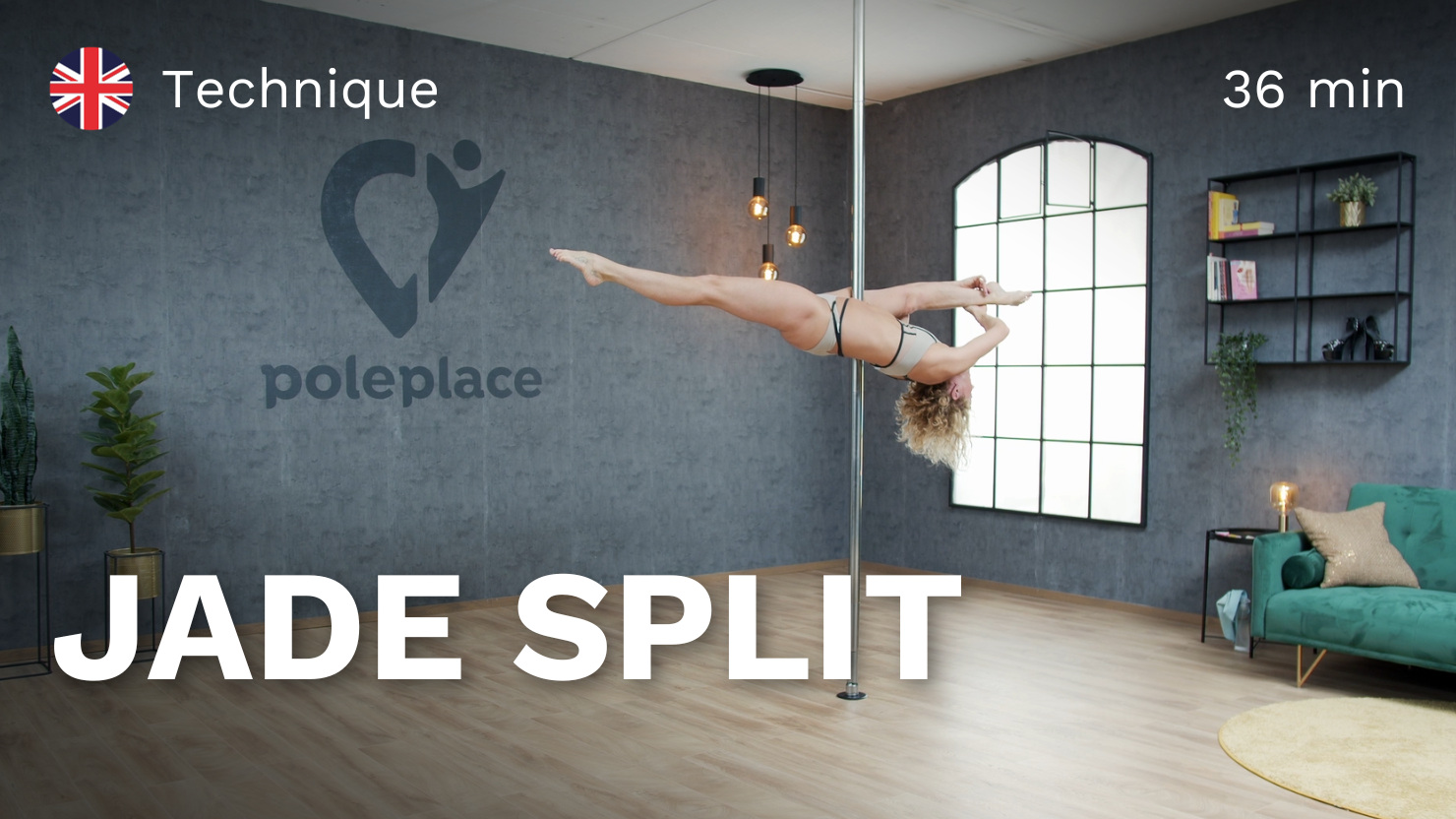
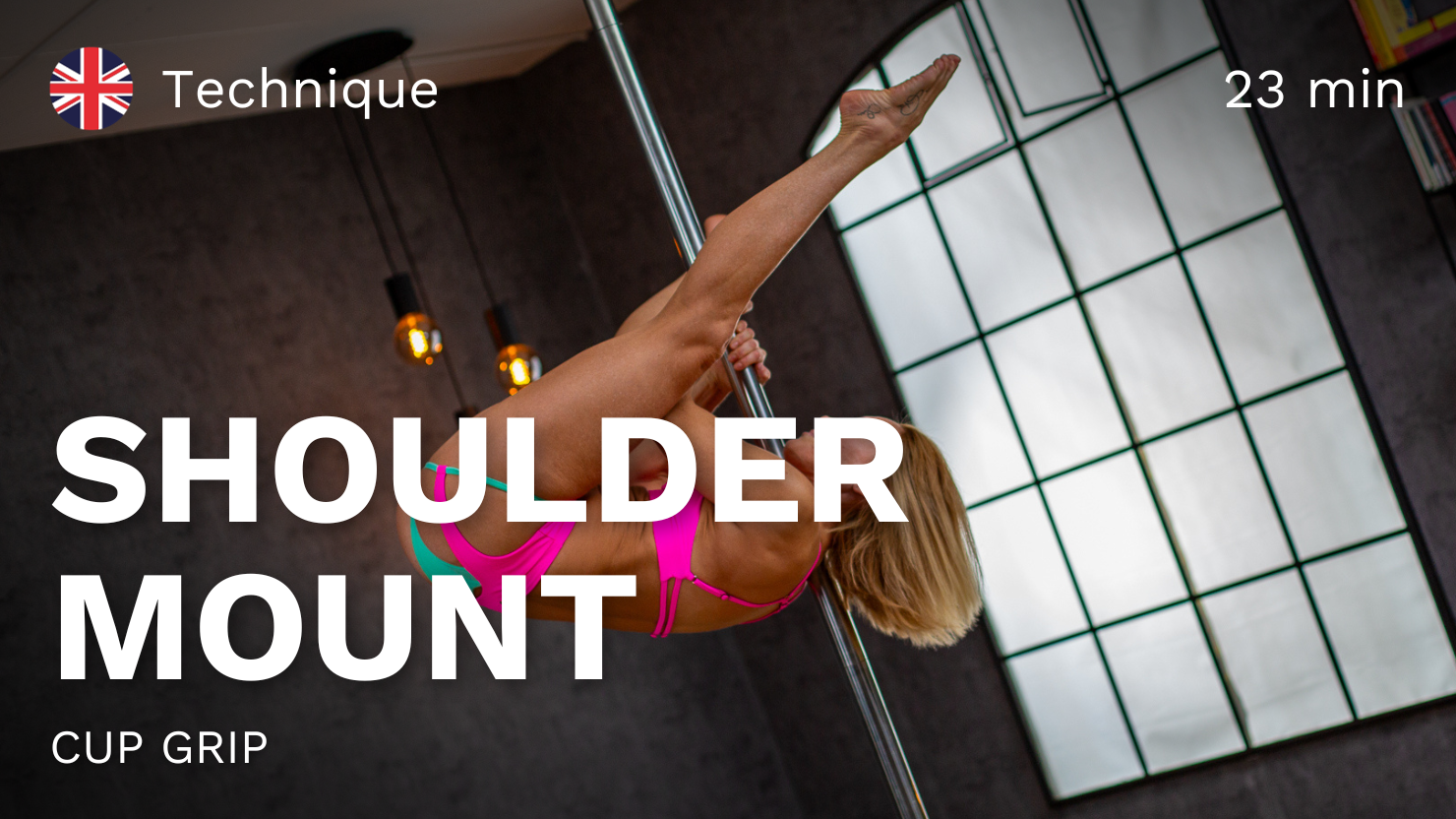
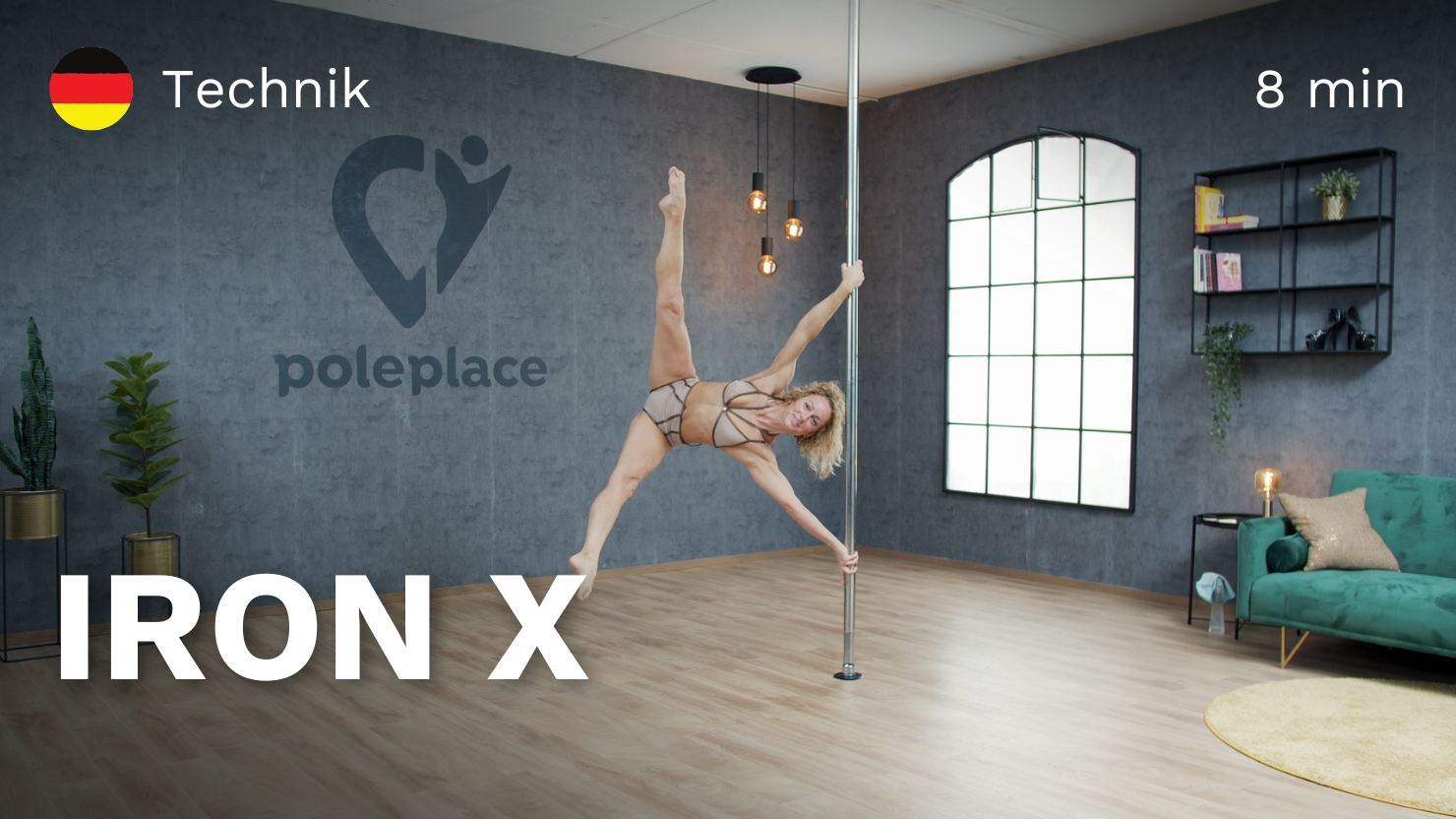
Be patient with your split, because it keeps growing with every stretching session. Film your attempts to see how much longer your line is getting. If you enjoy splits on the pole, the Jade Split is a beautiful related shape, the Shoulder Mount builds the kind of upper body strength this move loves, and the Iron X is another strong, sideways line for later. Each one makes your Pegasus feel a little more within reach.