The Remi Sit, explained
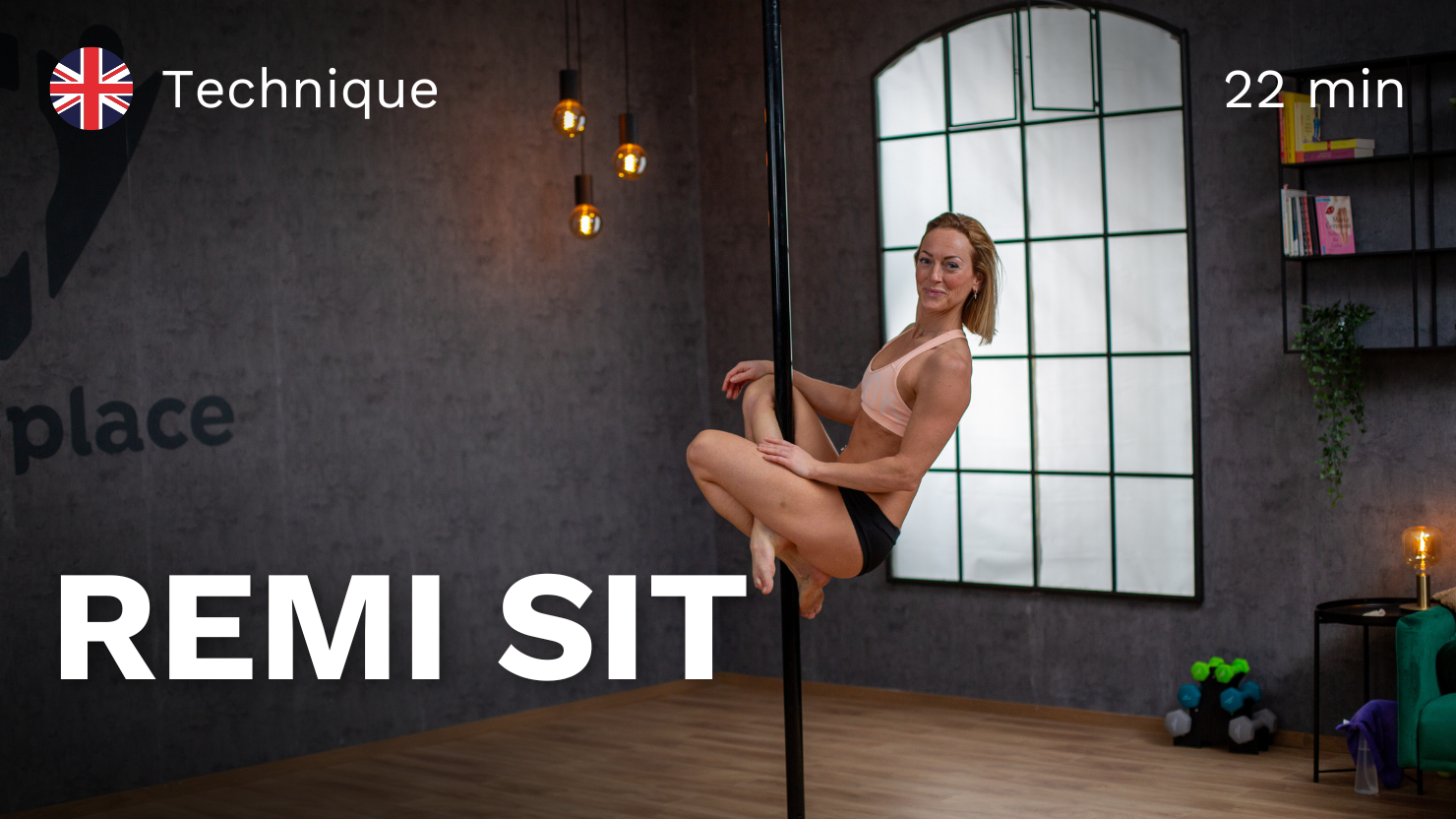
The Remi Sit pole dance move is one of those sits that make you feel at home on the pole. Your legs hold you, your upper body lifts tall, and once the grip feels secure your hands are free to pose, reach or simply rest. It is a calm, confident moment in the air and a lovely base for your next combos.
What is a Remi Sit in pole dance?
In a Remi Sit you sit upright on the pole off the floor, and your legs do the holding. The pole rests in the knee pit of one leg while your other leg works with it to lock you in place, so your body stays lifted without your hands having to carry you. It looks relaxed, while your legs squeeze with purpose. Exactly how your legs wrap and where the pole sits is what the tutorial and your coach take you through step by step, because those details are what make the sit feel safe.
Is the Remi Sit good for beginners?
It is a great goal for the stage right after your very first sits. It asks you to trust your legs a little more than a basic Seat does, and that trust grows best once beginner holds feel familiar. If the first attempts feel wobbly, or you do not dare to let go with your hands yet, that is completely normal. Keep a hand on the pole as long as you like; the hands-free part comes when your legs are ready.
What it builds: leg grip, skin contact and trust
The Remi Sit trains your leg grip, especially the hold in the back of your knee and along your thighs. It also asks your core to keep your upper body lifted and calm. Skin contact matters a lot here, so wear shorts or train with bare legs, and skip body lotion on training days because it makes you slippery. A bit of tenderness behind the knee is part of getting used to sits like this one, and your skin tends to toughen up with regular practice.
Remi Sit on a static or spinning pole
On a static pole the Remi Sit is a quiet pose. You have time to adjust your legs, breathe and find the position where you feel most secure. On a spinning pole the sit travels with the pole and becomes a slow rotation that looks beautiful from every angle. Most dancers get comfortable on static first.
How you learn it at POLEPLACE
At POLEPLACE you learn the Remi Sit with the Floor-Stand-Air Method™. You explore the leg position on the floor first, then practise the shape standing at the pole, and only after that lift into the air. The tutorial gives you the exact cues, so you can focus on how the shape feels.
Remi Sit tips and what comes next
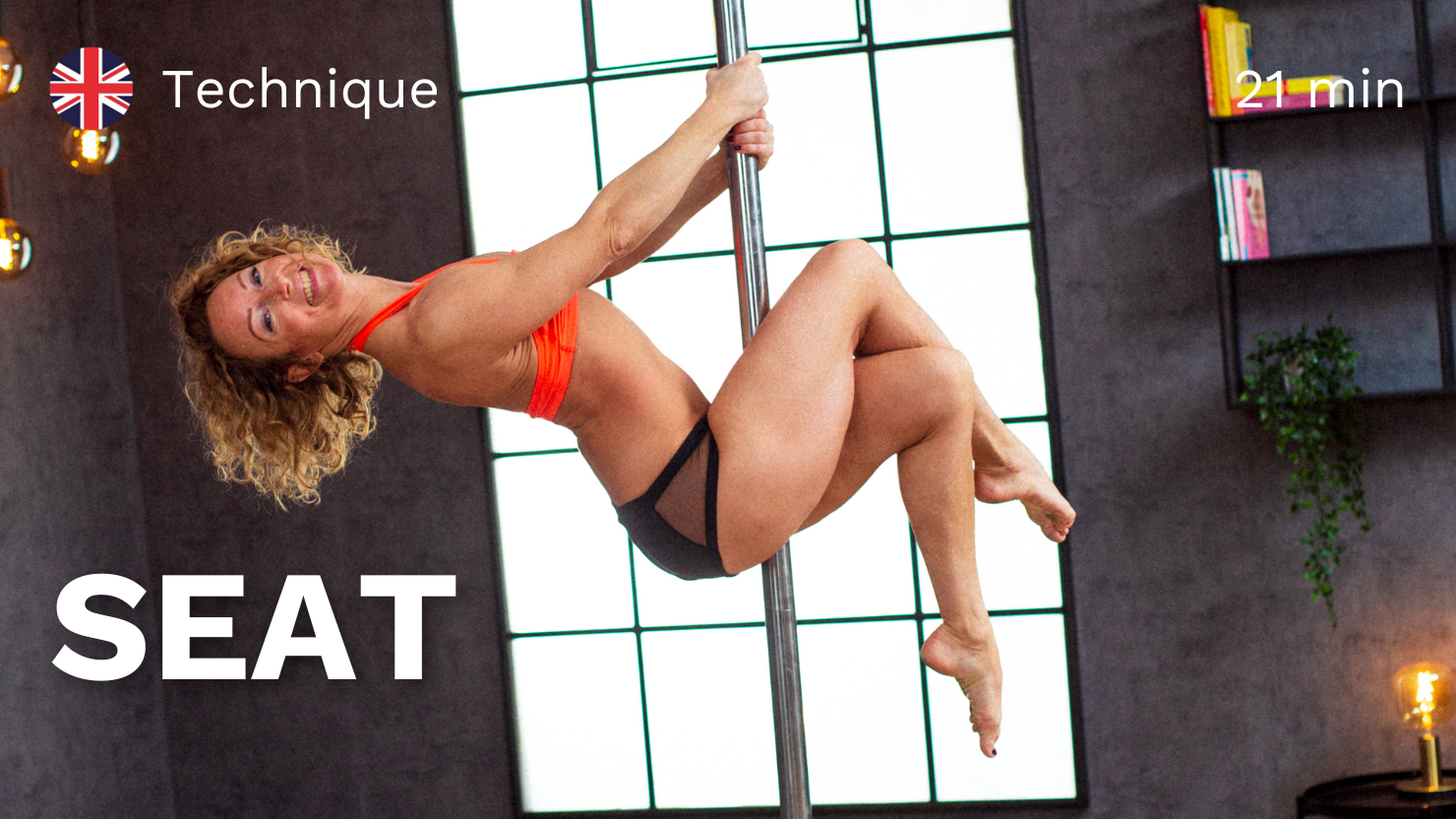
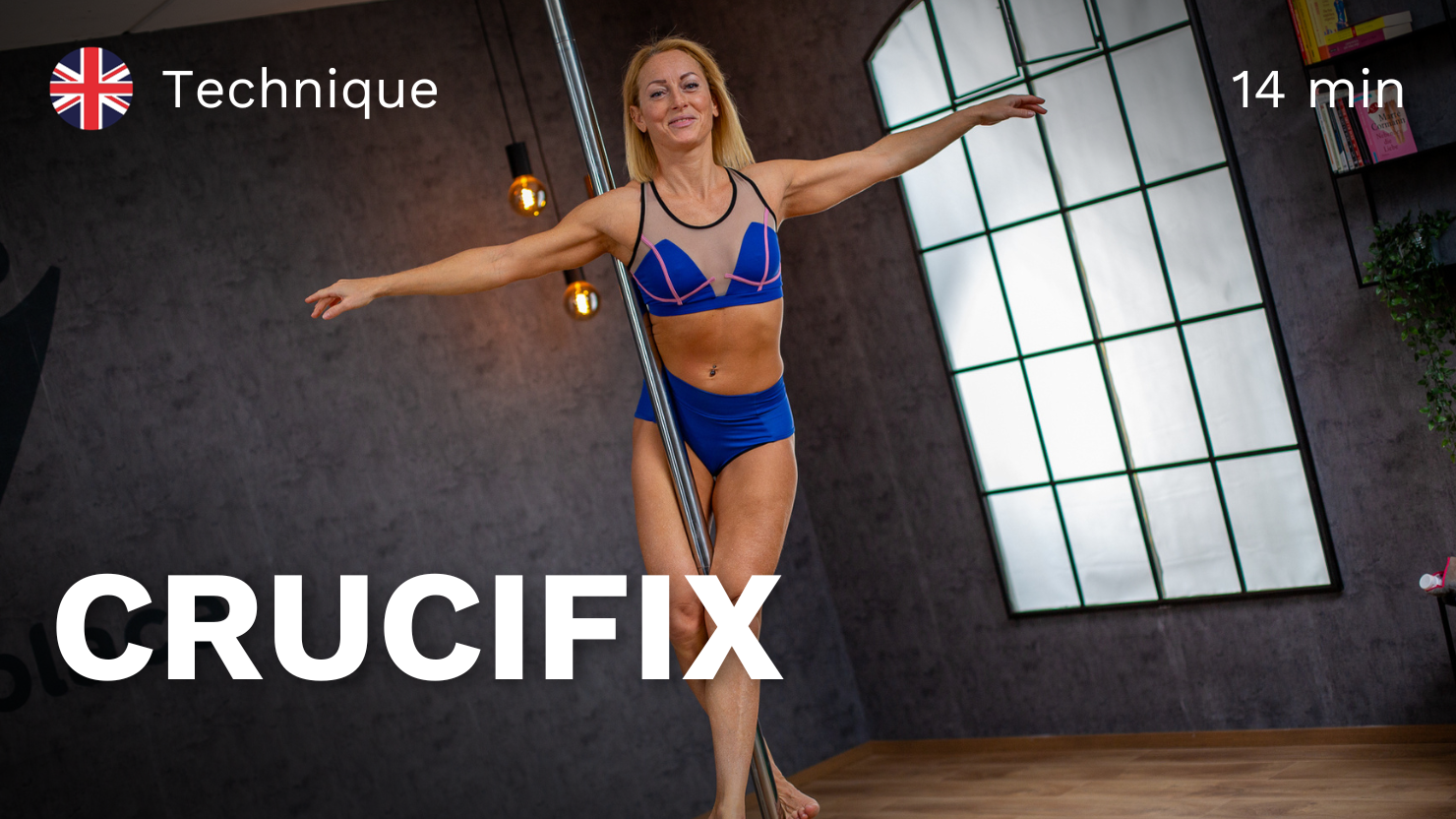
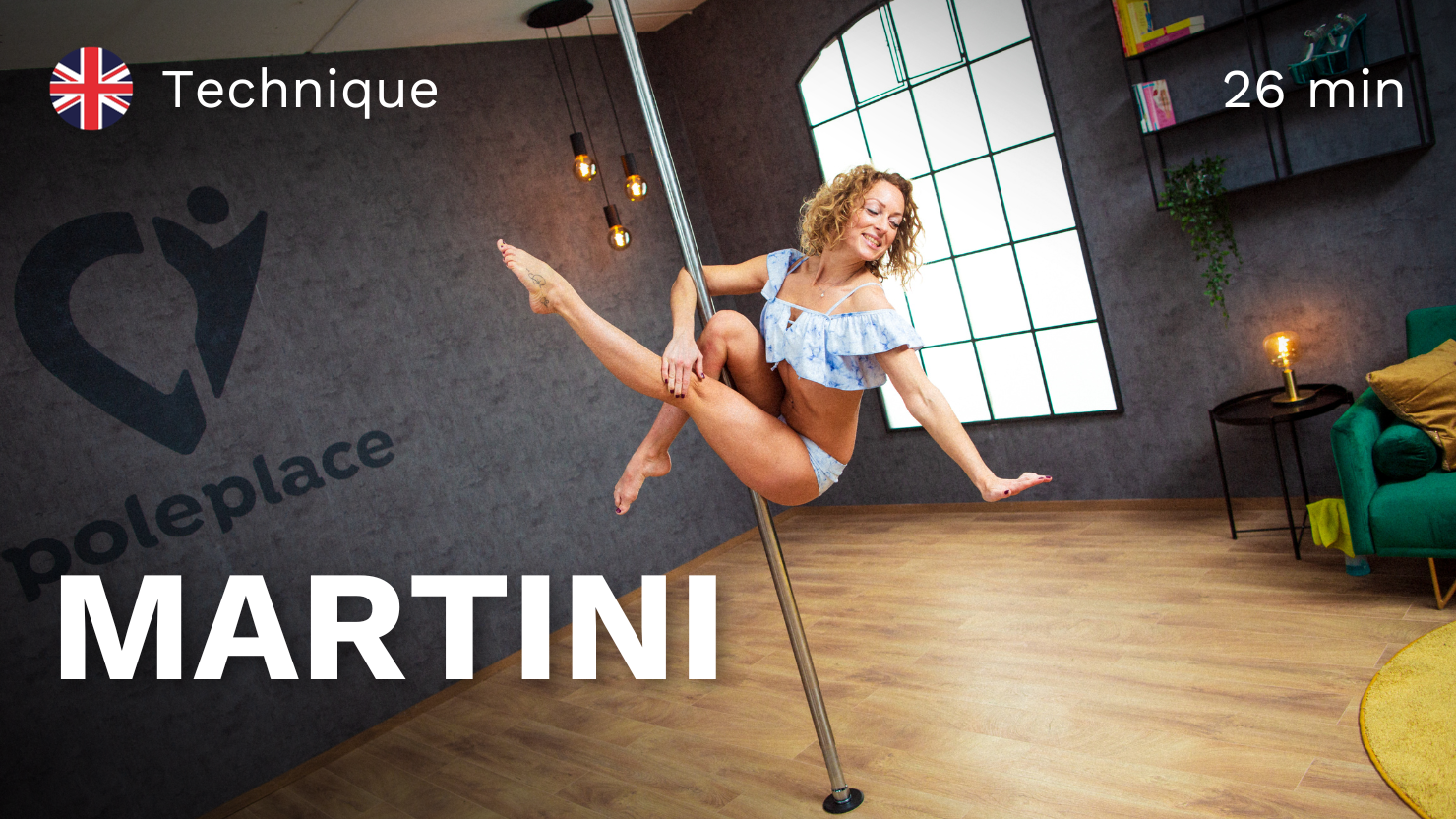
Go up only as high as feels comfortable, and come down calmly with control before your legs get tired. Once your Remi Sit feels steady, play with your arms and your upper body, because a free upper body is what makes this sit so expressive. It pairs well with moves that build on trusting your legs, such as the Crucifix and the Martini, and later the Outside Leghang uses the same knee pit upside down.