The Rainbow, explained
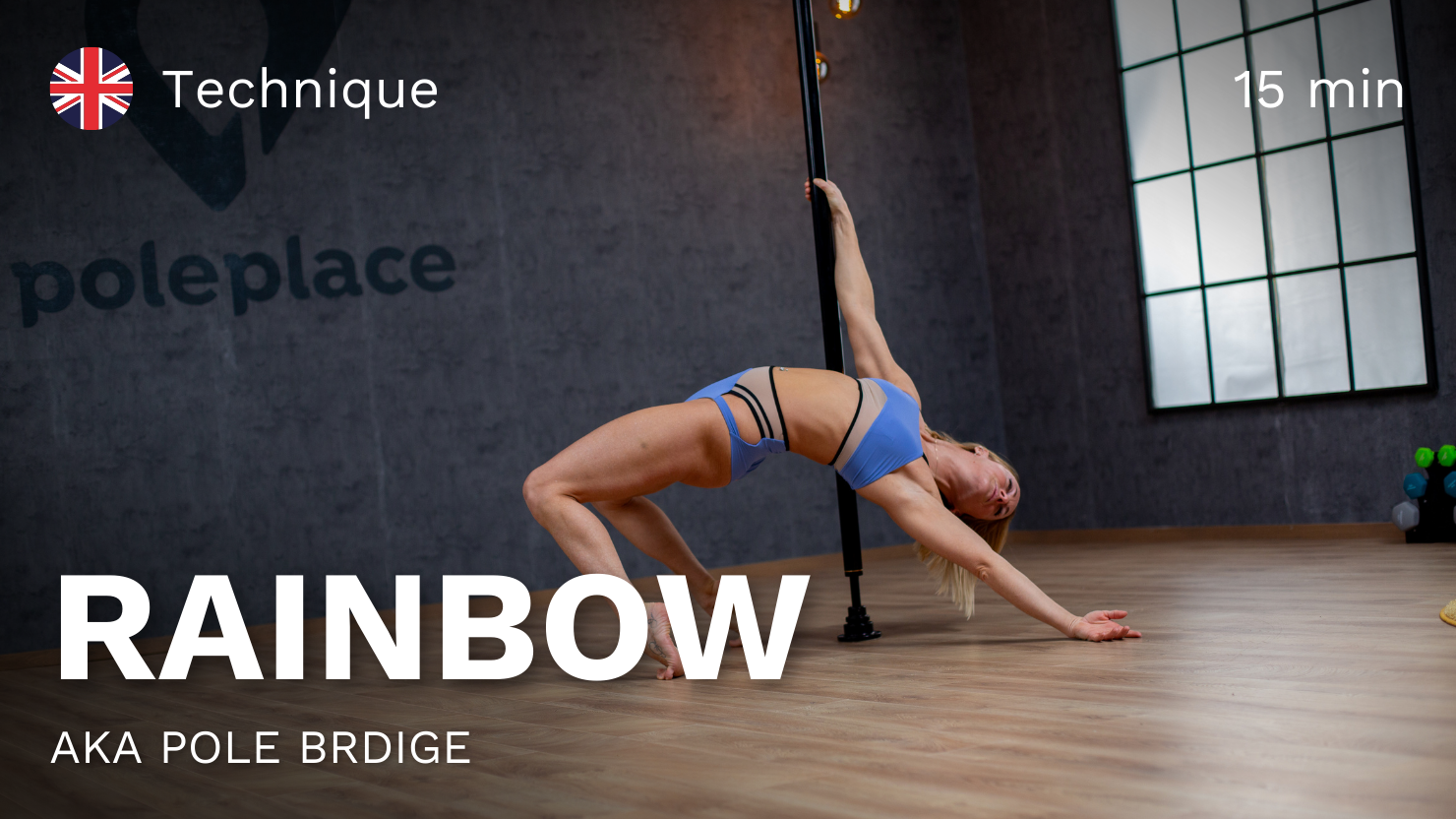
The Rainbow pole move, also known as the Pole Bridge, is a backbend that arcs from the pole down to the floor like, well, a rainbow. One hand stays with the pole, your feet stay grounded and your body curves open towards the floor. It is soft, flowing and dramatic all at once, and it brings a lovely flexibility element into your pole dance.
What is a Rainbow in pole dance?
In the Rainbow, you stay close to the floor with your feet down while your chest opens up and your body bends backwards into a long arc. One arm connects you to the pole and the other reaches back towards the floor, so from the side your body draws a curved line between the pole and the ground. That is where both names come from: Rainbow for the arc, Pole Bridge for the bridge shape you may know from yoga or gymnastics. How you get into the backbend and how far you go is what the tutorial and your coach guide you through.
Is the Rainbow good for beginners?
The Rainbow does not need climbing or going upside down, which makes it feel friendlier than many moves of the same level. What it asks for is backbend flexibility and a calm, controlled way of moving into it. Some bodies arch easily, others need more time, and both are completely fine. If your first Rainbow is a smaller arc than the one you see in the thumbnail, it is still a Rainbow.
What the Rainbow builds: flexibility and control
This pole dance move works your back flexibility, opens your chest and shoulders and stretches the front of your hips. At the same time your legs, glutes and core stay active to support the arc, so it is not only about bending, it is about control. A warm body makes a big difference for backbends, so give yourself time to warm up before you try it. The more often you practise gently, the more open and natural the shape feels.
Rainbow for floor flow and transitions
Because you stay grounded, the Rainbow is perfect for floorwork and flow. It works as a beautiful transition between standing moves and floor moves, as a pause in a routine or as a dramatic moment in your choreography. Most dancers practise it on a static pole, so the pole gives you a steady point of contact while you focus on your arc.
How you learn it at POLEPLACE
At POLEPLACE you learn with the Floor-Stand-Air Method™, and for a grounded shape like the Rainbow that means exploring the backbend on the floor first and then bringing it to the pole standing. Every stage is a small win, in your own space and at your own pace, without anyone watching or comparing.
Rainbow variations and what comes next
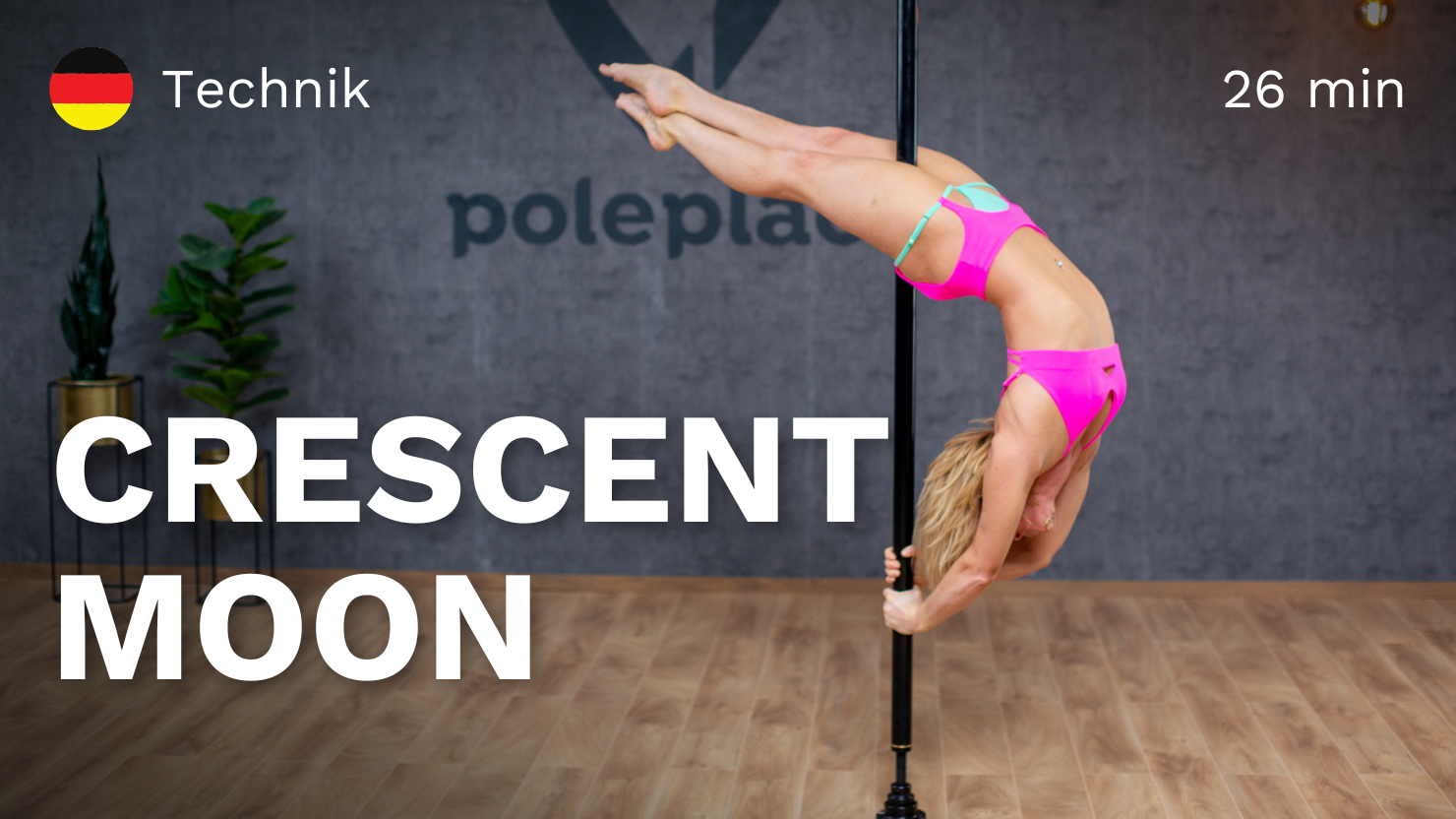
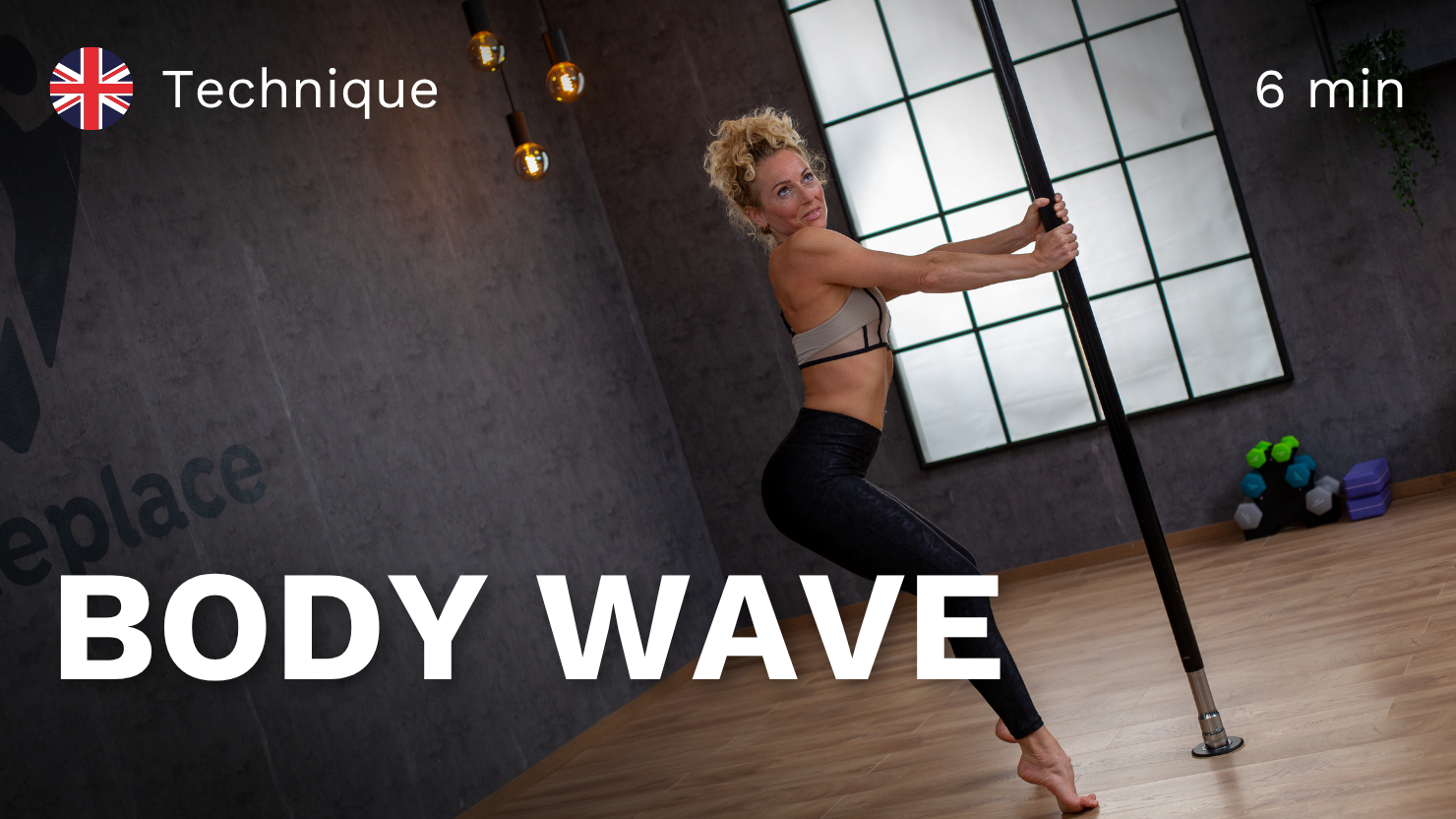
Once your Rainbow feels comfortable, play with the arc: go slower, add a body wave on the way in, or let your free arm draw a big circle. If you love backbends, the Crescent Moon, the Pole-Assisted Walkover and the Hang Back are lovely ways to keep exploring that open, arched feeling at the pole.