

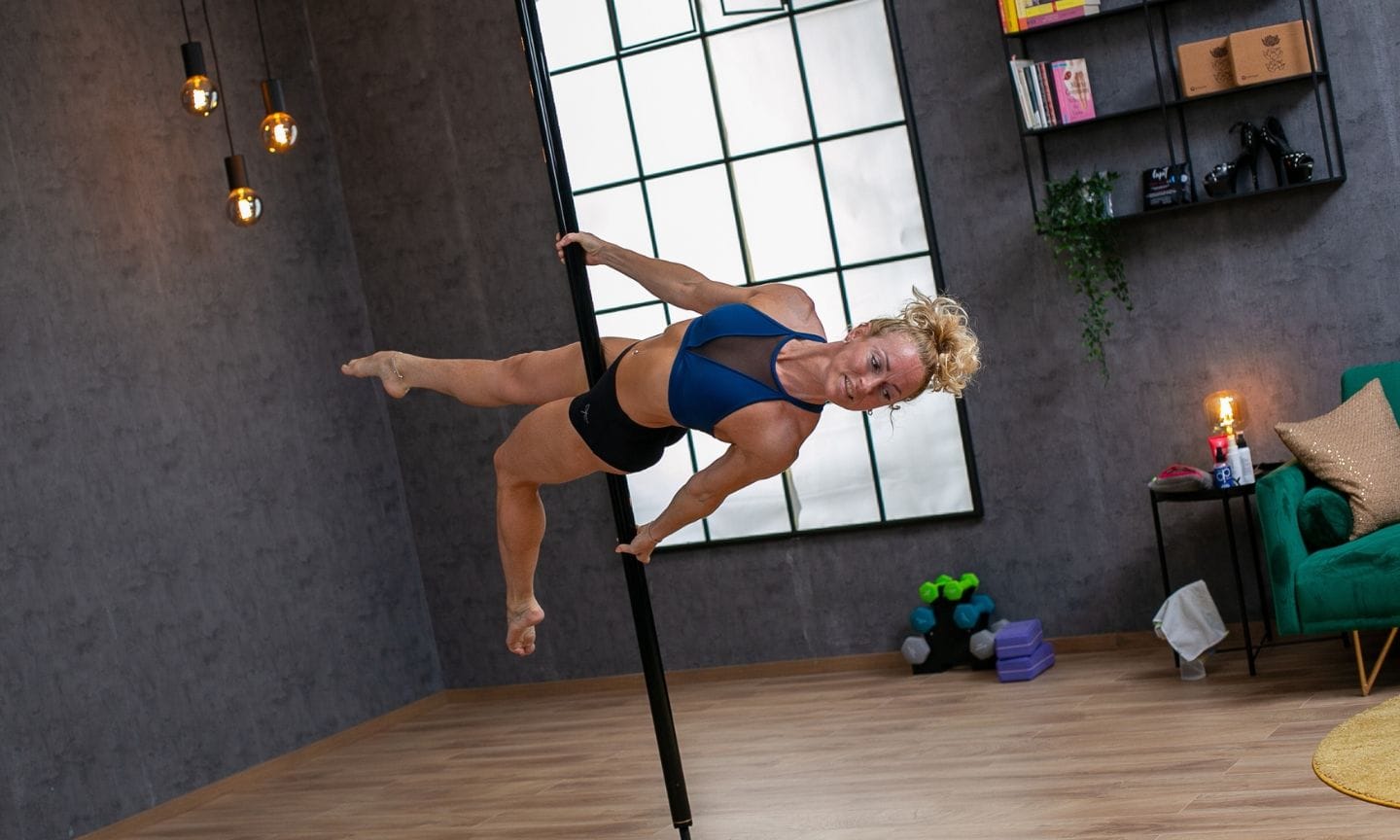
Short answer: The most common pole dance mistakes beginners make are skipping the warm-up, rushing progress, relying on the pole instead of building your own strength, neglecting flexibility, training only one side, depending on grip aids, not filming your training, being too hard on yourself, comparing yourself to others and training without a community. Below you get a tip for each one.
Carmen, who co-founded POLEPLACE and has been a professional pole dancer and coach for more than 10 years, shares her top 10 mistakes when starting pole dancing.
Embracing the Pole Dance Journey
Pole dancing is more than just a sport; it’s a perfect blend of strength training, flexibility, and creative expression. As you begin this journey, you’ll find it’s not solely about mastering moves, but about channeling powerful stories through your movements.
From enhanced fitness and mental strength to emotional release and self-confidence, pole dancing offers an all-encompassing path to empowerment and community. It’s this essence that elevates it beyond a mere workout—it’s a transformative life experience for many, including myself.
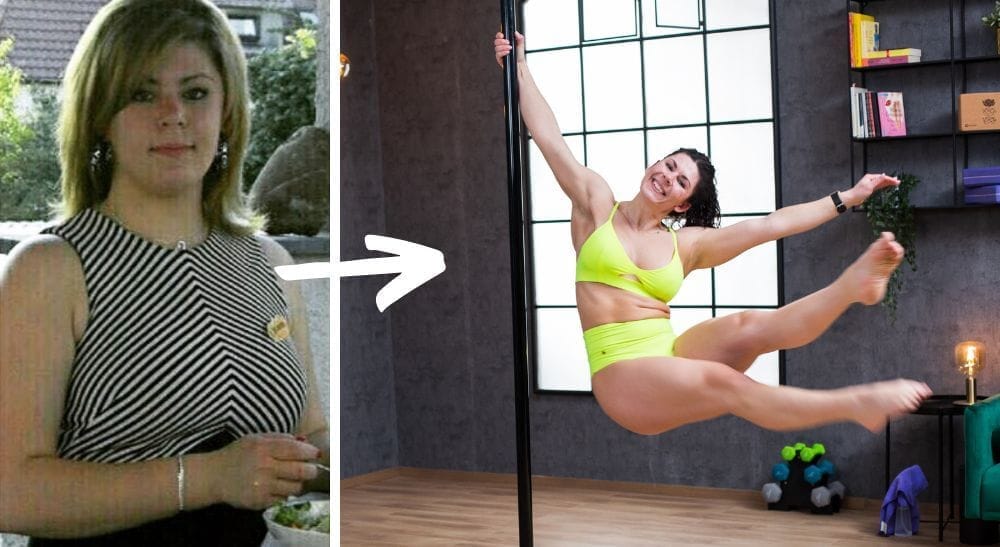
For me, starting pole dancing over 12 years ago was life-changing, and I want to encourage others to embark on this journey as well. I know how good it feels to be confident and happy with oneself and the progress made.
So let me be the helping person for you that I wished I had in my life when I started.
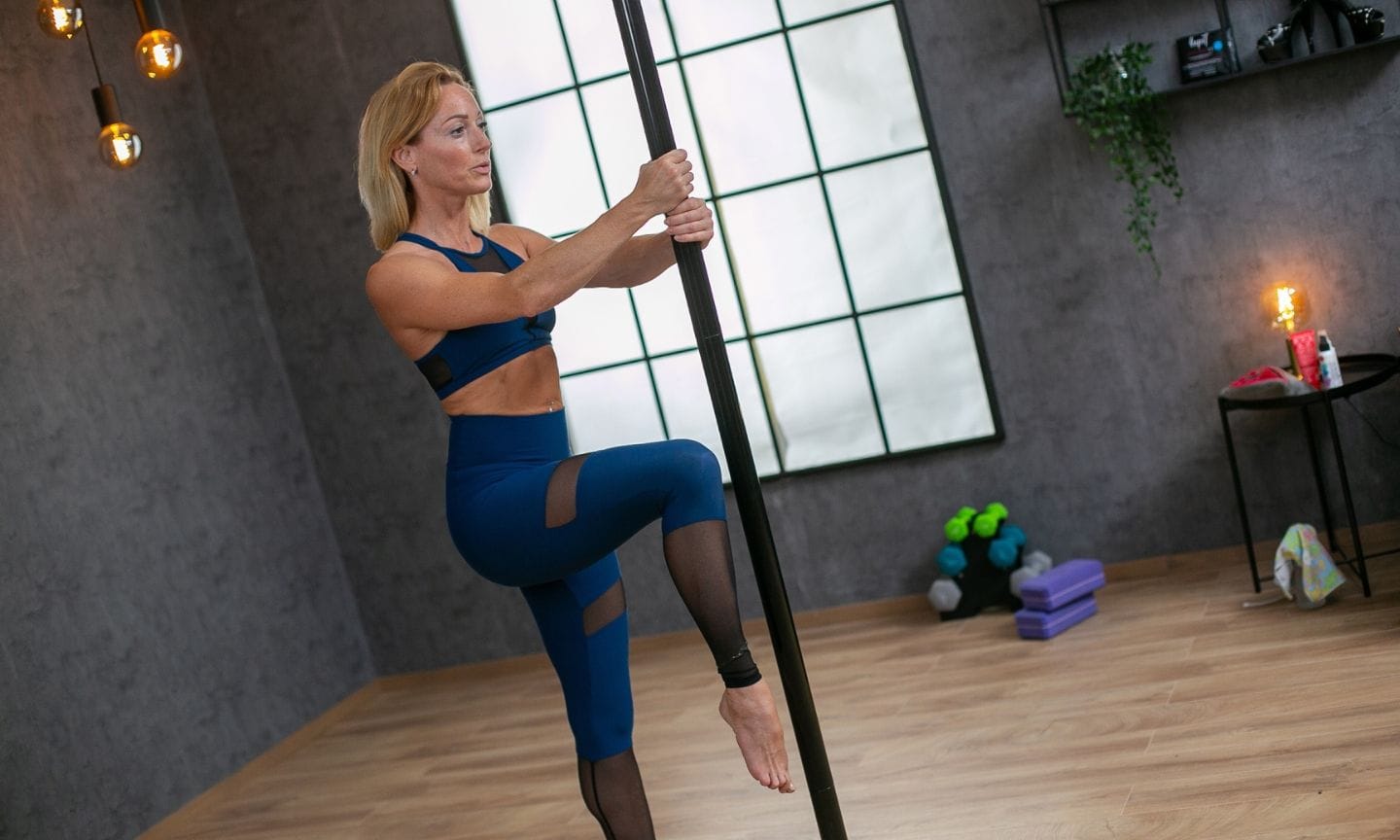
10 Tips for Beginners When Starting Pole Dancing
Those tips helped me a lot. When I started pole dancing, there wasn’t a lot of information on the internet available. So these are the tips I wish I would have received for myself back then.
Tip 1: Don’t Skip the Warm-Up
Never skip a proper warm-up before pole dancing. Warming up prepares your muscles and joints for the intensity ahead. I emphasize a warm-up routine that boosts blood flow, improves flexibility, and mentally gears you up for the session. Be sure to include dynamic stretches that reflect pole moves, setting a solid base for peak performance without risking injury or setbacks. We have many warm ups and cool downs for you on POLEPLACE, so make sure to integrate them to your training routine. You’ll find them in Warm-ups & Cool-downs.
Tip 2: Pace Your Progress
It’s a journey, not a sprint. Rushing progress is a common error you want to avoid. It’s tempting to leap towards advanced moves, but remember, like building a house, a strong foundation is necessary.
Cultivate strength and confidence step-by-step, recognizing the importance of good technique. Be patient, celebrate the small wins, and your dedication will pay off. How many sessions make sense at the start is covered in how often should you pole dance.
Tip 3: Build Your Own Strength
Don’t rely too heavily on the pole to support you. While it’s a dance partner, true strength comes from within. Incorporate off-the-pole exercises like planks and pull-ups to build the muscle power essential for those higher-level moves. By balancing pole work with independent strength training, you’ll enhance performance and prevent injuries.
Remember, the pole is a partner, not a crutch.
On our YouTube-Channel there’s a free “No Pole Workout”, giving you five different exercises to improve strength and flexibility. More ideas are in our pole strength exercises.
Tip 4: Incorporate Flexibility Training
Neglecting flexibility means limiting your potential. Flexibility enhances movement range and safety for executing pole dance moves. Start with basic stretches and evolve to more advanced flexibility exercises, knowing that this development takes time, patience, and consistency—the keys to achieving graceful and expansive pole dance figures.
Tip 5: Practice Symmetrically
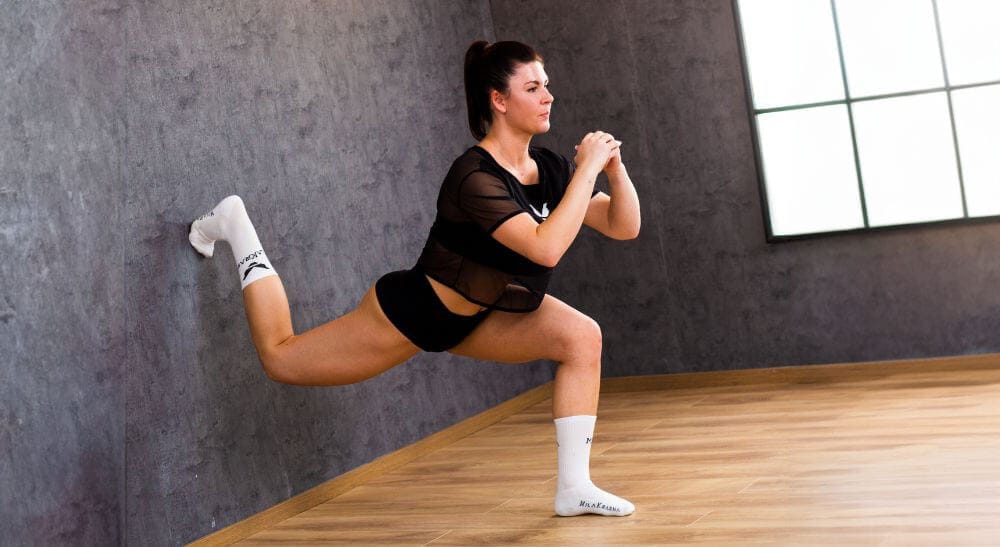
It’s natural to prefer one side, but in pole dancing, symmetry is critical to prevent skill and strength imbalances. Make an effort to practice moves on both sides, and although it might feel challenging initially, persistence will lead to a more balanced and aesthetically pleasing performance.
Tip 6: Use Grip Aids Mindfully
Grip aids can be helpful, but don’t become dependent on them. Experiment to find what suits you best, yet also challenge yourself to strengthen your natural grip. Discovering your ideal balance will boost your confidence and assure you that you’re building real grip strength. Learn more about grip aids and the different pole dance grips.
Tip 7: Document Your Journey
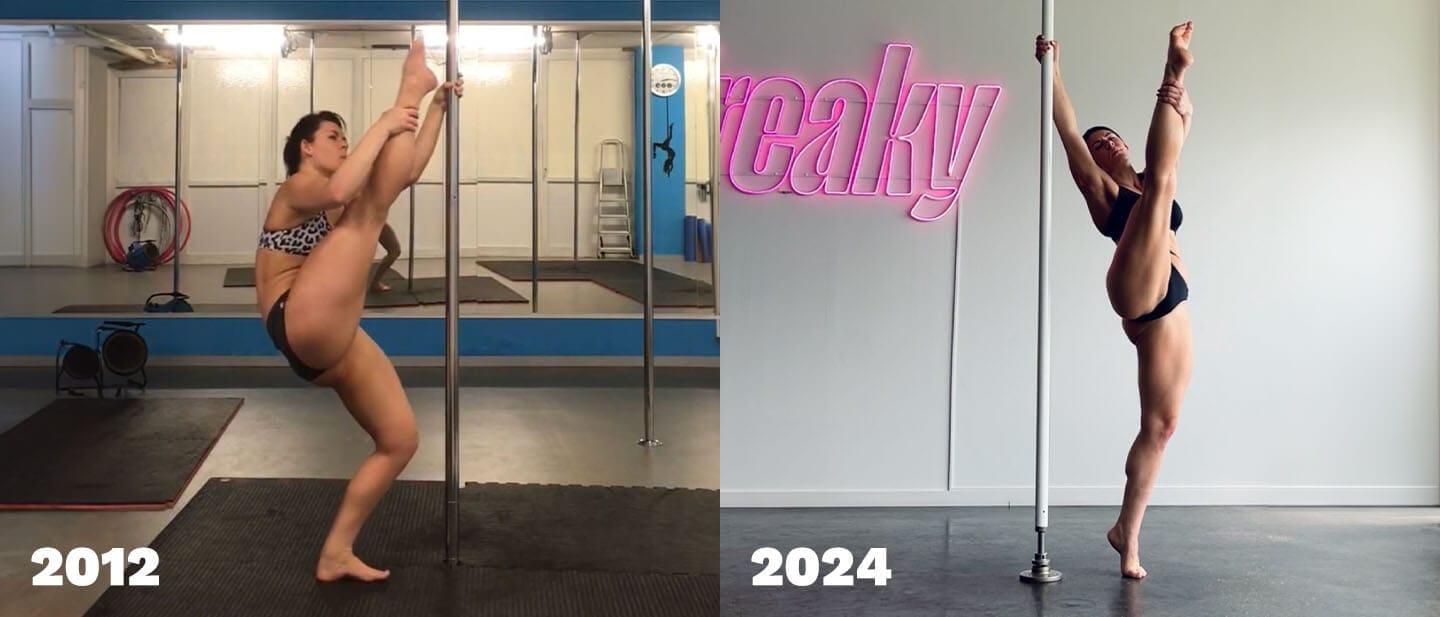
Recording your pole sessions isn’t just for sharing—it’s critical for evaluating form and movement while tracking your progress. This visual journal serves as both a motivator and a tool for identifying areas to improve upon. Begin documenting early and relish in the visible testament of your dedication and evolution.
Tip 8: Be Kind to Yourself
Self-criticism can dampen your spirit. Embrace a stance of self-compassion instead. Recognize that stumbling is part of everyone’s journey. Celebrate every accomplishment, no matter its size, and enjoy the journey of learning and growing beyond the pole.
Tip 9: Stay Focused on Your Own Path
Resist the allure of comparing your progress to others, especially on social media. Everyone’s journey is unique, and these platforms often display just the glossy highlights. Find inspiration, yes, but stay rooted in your personal journey, celebrating your own progression and milestones.
Tip 10: Embrace the Community
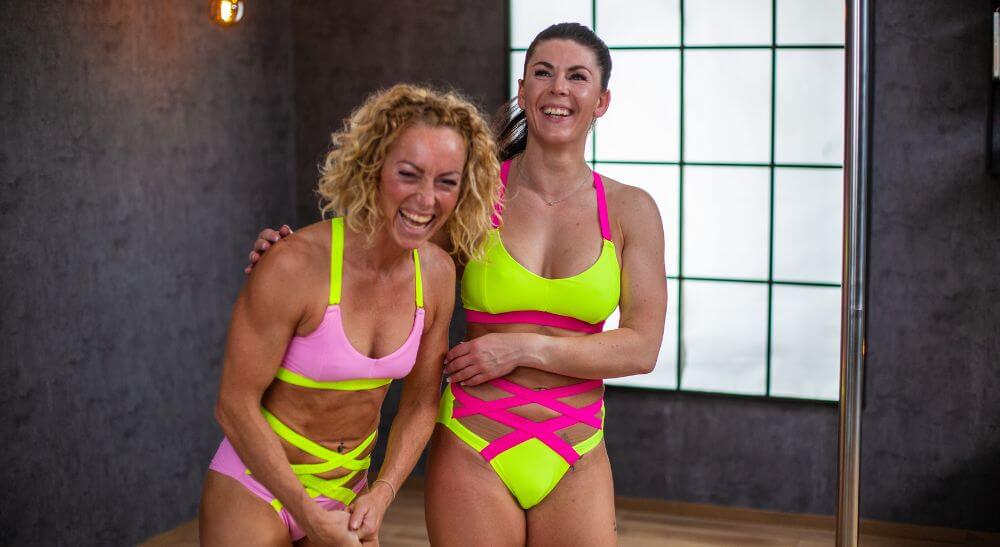
Joining the pole dance community introduces you to a supportive and encouraging world. Personally, I’ve never met a community with such a warm and welcoming attitude. Either as a student when I started my journey, nor as a coach or co-founder of a business within this scene. Pole dancers are a bunch of lovely, diverse and positive people.
Engage with like-minded individuals, exchange experiences, and draw motivation from this collective passion. Becoming involved in this vibrant space reminds us that the true essence of pole dancing lies within the shared journey, not just individual achievements.
FAQ
What is the most common pole dance mistake for beginners?
Rushing progress. Going for advanced moves before you have the strength and technique leads to frustration and injuries. Start with the basics, for example our pole dance moves for beginners.
Do I need to warm up before pole dancing?
Yes, every time. A warm-up prepares your wrists, shoulders, hips and core for the load and lowers the risk of injury.
Should beginners use grip aids?
They can help, especially with sweaty hands, but don’t become dependent on them. Train your natural grip as well.
Why should I practice pole moves on both sides?
To avoid strength and skill imbalances. Training both sides makes your dancing more balanced, safer and more aesthetically pleasing. More tips for a clean look are in 5 tips to improve your pole dancing aesthetics.
What next?
Start with Class 1 of our 12-Week Starter Course. Every move is taught with our Floor-Stand-Air Method™: on the floor first, then standing, then in the air.