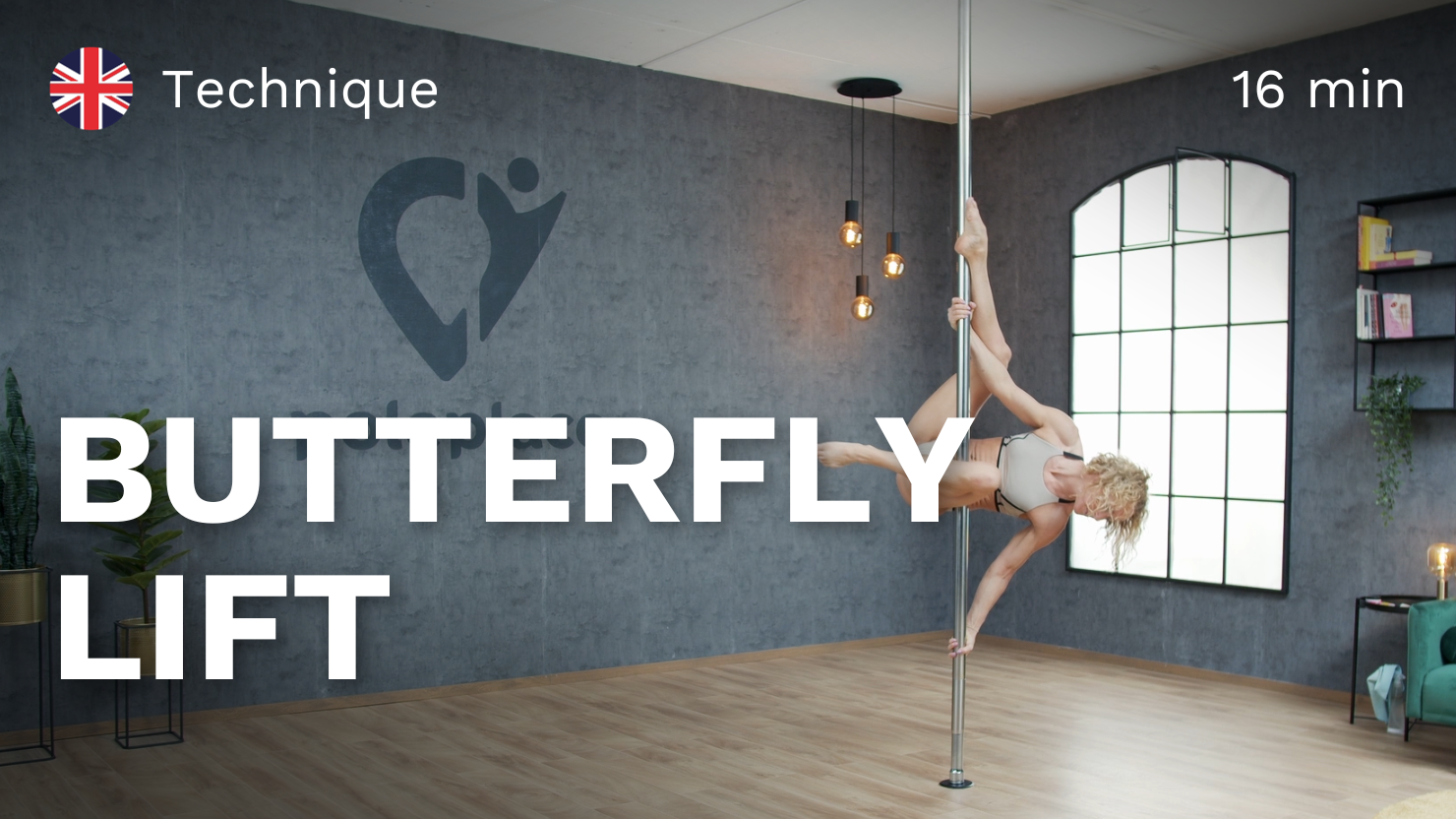
The Butterfly Lift, explained
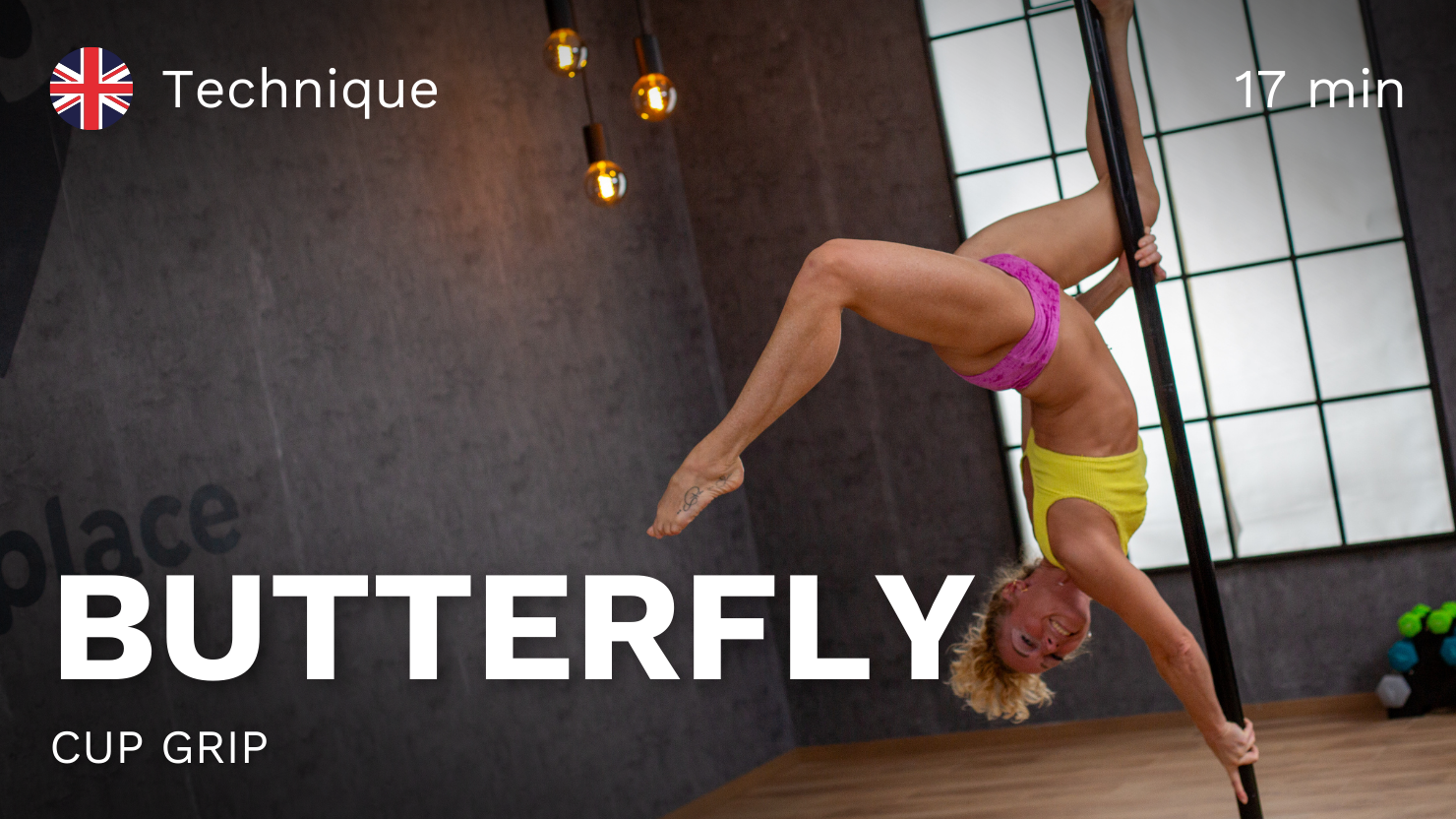
The Butterfly Lift is one of those moves that look effortless when someone else does them and show you exactly how much strength and control you have built when you do them yourself. It is beautiful and powerful at the same time, and it grows directly out of the Butterfly.
What is the Butterfly Lift on the pole?
The Butterfly Lift is an advanced technique that builds on the Butterfly, the inverted shape that is the key technique at Level 3. From there, the Lift adds strength and control to move your body in a powerful, elegant line. How you get into it and which grip you use are explained step by step in the tutorial, in English and German.
Is the Butterfly Lift good for beginners?
Not yet. Our coaches call it a beautiful but very demanding Level 3 technique. It needs a confident Butterfly, strength in your shoulders and core and calm control while you are upside down. As a long-term goal, it is a great one.
What it builds: strength and control upside down
The Butterfly Lift trains your shoulders, core and grip while you are inverted, and it teaches you to move with control instead of momentum. POLEPLACE has a dedicated Conditioning for Butterfly program in the Butterfly Series that prepares the strength you need. A grip aid can help on warm days; train in shorts so your skin can grip the pole.
Static or spinning pole?
Most dancers learn the Butterfly Lift on a static pole first, where they can feel each part of the movement. Spinning mode comes later, once the move feels steady.
How you learn it at POLEPLACE
The Butterfly Lift is part of the Butterfly Series, together with the Butterfly in several grips, conditioning and cool-downs. As always, you learn it with the Floor-Stand-Air Method™: you prepare the movement on the floor and standing at the pole before you take it into the air.
Combos and what comes next
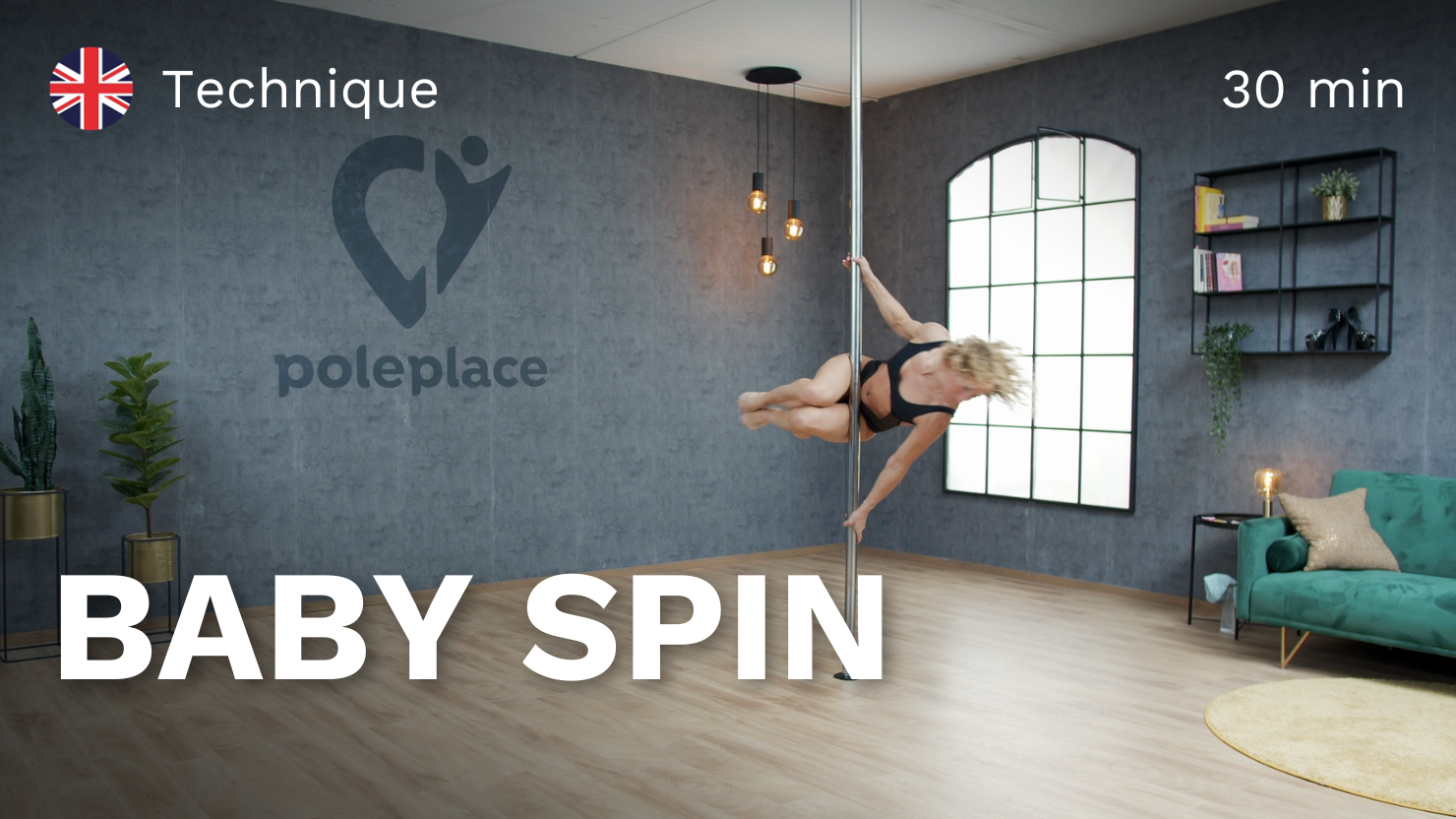
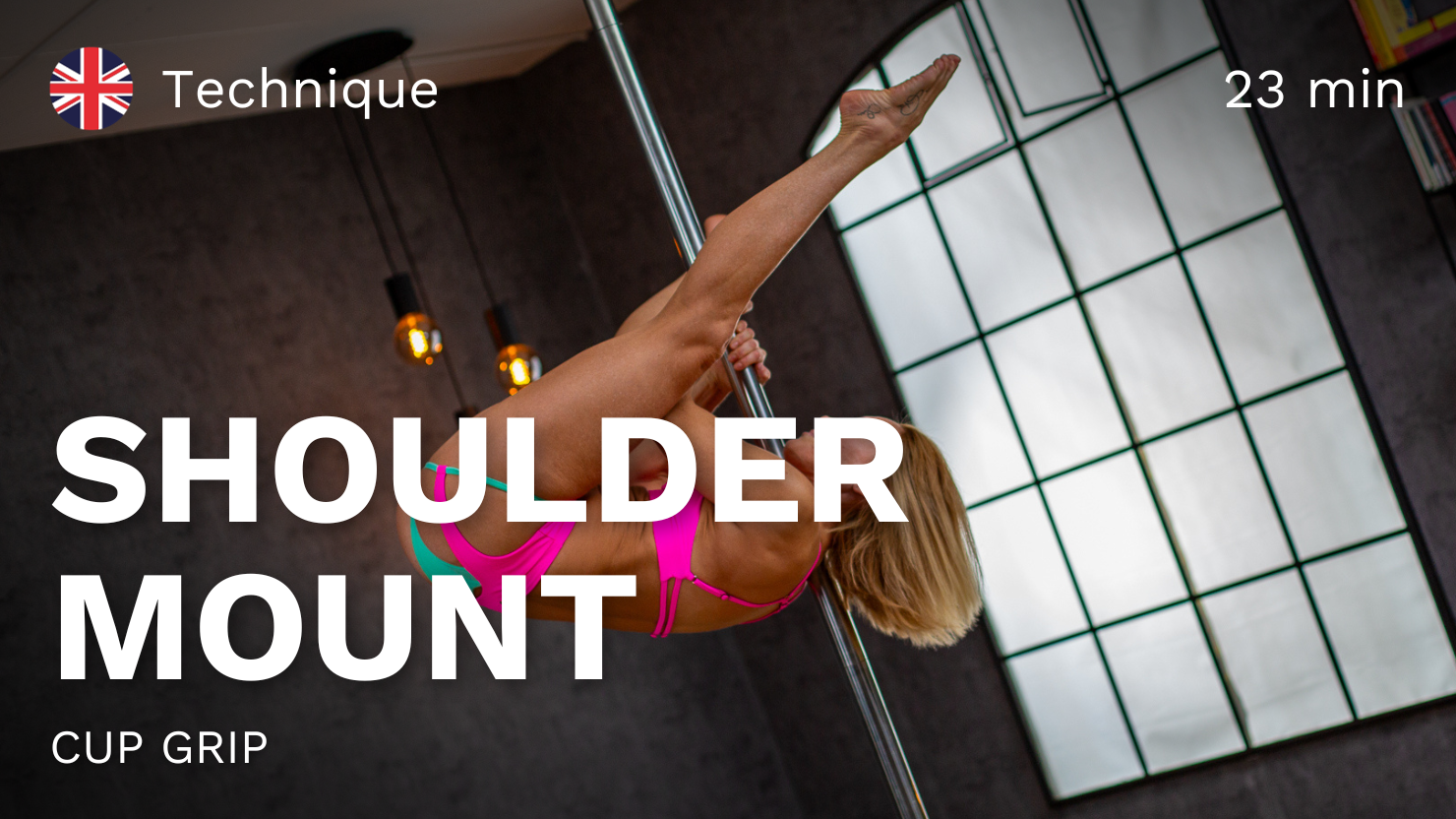
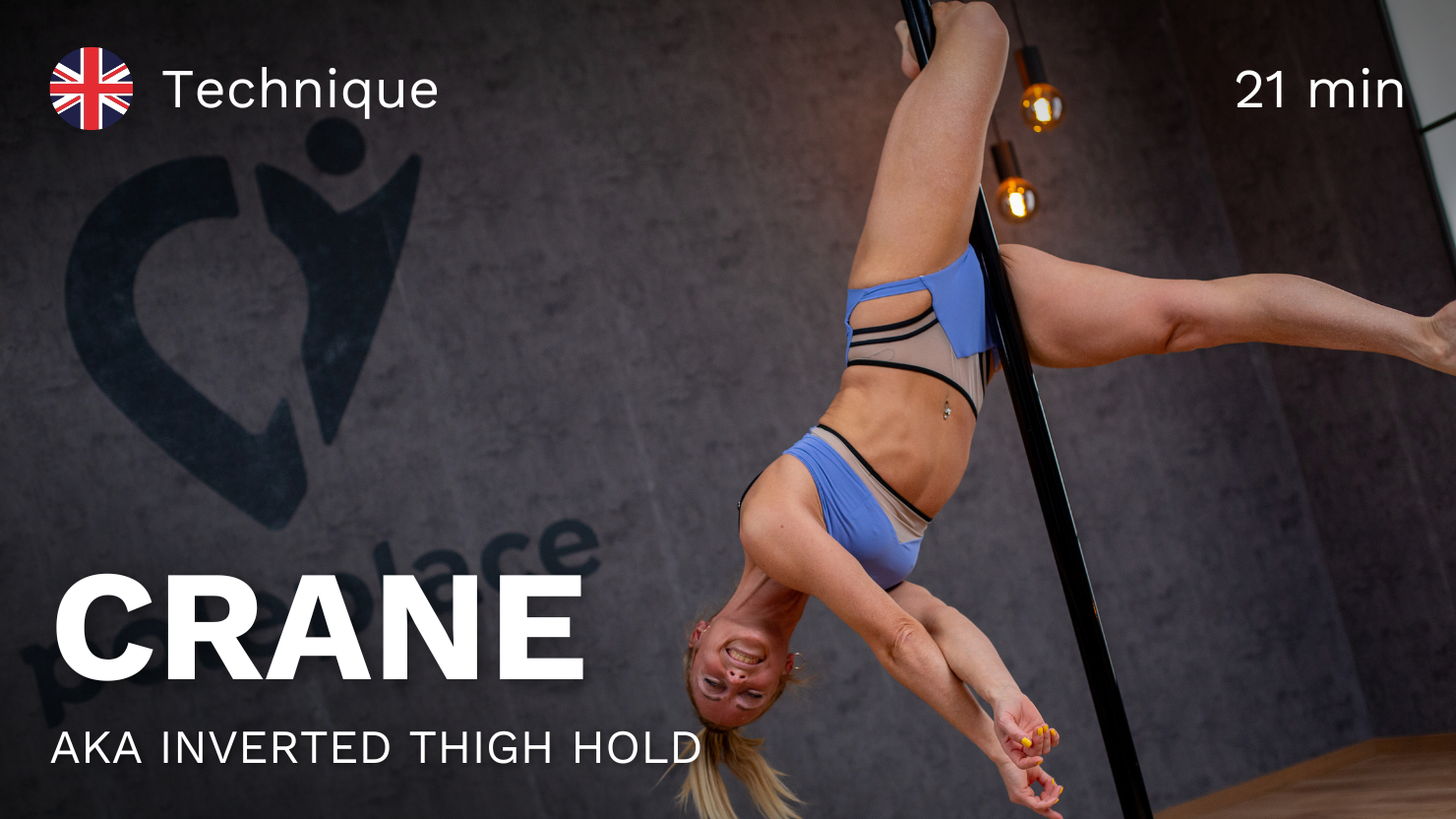
Try the combinations from the POLEPLACE library: Baby Spin into Butterfly Lift, or Shoulder Mount, Crane and Butterfly Lift. Both turn the move into a dynamic sequence that opens up many transitions.