

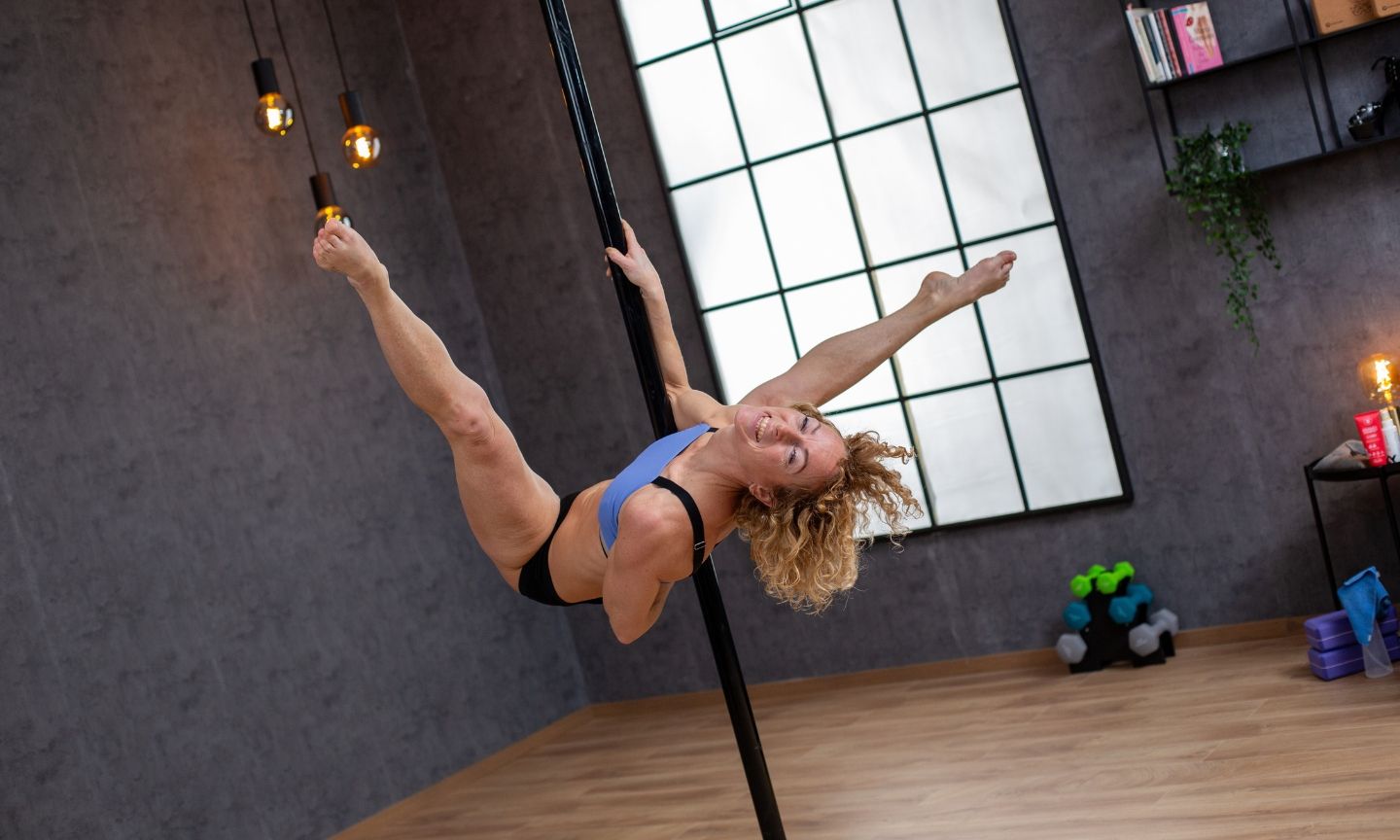
Pole dancing has more than one origin story. Athletes in India and acrobats in China were training on poles centuries ago. The pole dance most people picture today grew up on stages, in sideshows and above all in strip clubs, where dancers turned a pole into an art form. From there it moved into studios, competitions and, more and more, into living rooms.
This is a short history of how that happened, which styles came out of it, and why knowing it makes you a better pole dancer.
Where does pole dancing come from?
There is no single starting point. Several traditions used a vertical pole long before anyone called it pole dancing, and how much each of them shaped modern pole is still debated. What we can say is that three lines meet in the pole dance you learn today: the strength traditions of the East, the stage culture of the West, and the dancers who built pole in clubs.
Mallakhamb: the Indian pole tradition
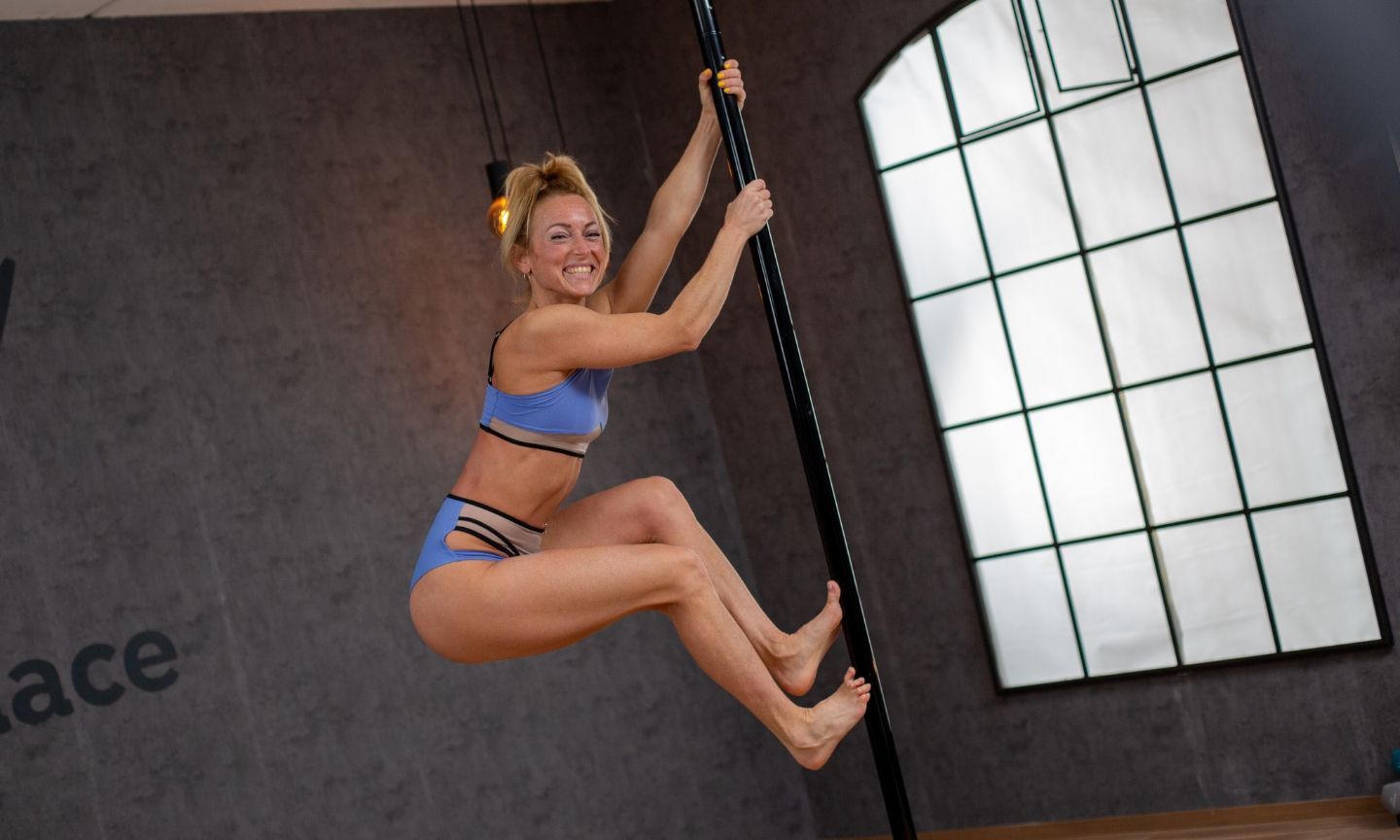
Mallakhamb is a traditional sport from India. Athletes perform holds, climbs and balances on a vertical wooden pole, and its roots are often traced back many centuries. It is about strength, grip, endurance and body control, the same qualities every pole dancer trains today.
Mallakhamb is still practised as a sport in India. It is not the direct ancestor of the spins you learn in your living room, but it shows how old the idea is: using a pole to test and train the human body.
Chinese pole: acrobatics in the circus
Chinese pole is a circus discipline. Acrobats climb tall, rubber-coated poles, hold their bodies out to the side and drop down in controlled slides. Traditionally the performers were men, and the acts are built on raw power and precision.
You can see its influence in modern pole tricks: flags, holds that rely on pure strength, and the idea that a pole can be climbed like a vertical stage.
Sideshows, burlesque and the first dance poles
In the West, the pole is usually linked to traveling fairs and sideshows in the United States in the early twentieth century. According to most accounts, dancers performed in small tents where the wooden tent pole stood at the edge of the stage, and some started to use it in their routines. Over the following decades dance on stage moved into bars and burlesque venues. The details of this period are poorly documented and many histories simply repeat each other, so treat the exact dates as approximate.
The strippers who built pole as an art form
Modern pole dance as a dance form grew in strip clubs. Exotic dancers developed spins, climbs, floorwork, transitions and the confidence of moving in heels. They named moves, invented new ones, taught each other and passed the knowledge on, often while being judged for the very work that created it.
This is the part of the story that is easiest to leave out, and we think it is the most important one. So much of what you learn in any pole class today, at POLEPLACE included, was created by these dancers. Respecting that history means saying “stripper” without distance or jokes, and treating heels and exotic flow as a full part of pole, not as something to grow out of. Our manifesto puts it in one line: respect the roots.
From clubs to studios: pole fitness
From the 1990s on, pole moved out of clubs and into classes for everyone. Fawnia Mondey, a Canadian dancer who later moved to Las Vegas, is widely credited with teaching pole dancing as an art and with early instructional videos. Studios opened in more and more cities, and pole was marketed as a workout: strength, flexibility and coordination in one class.
That shift brought pole to many women who would never have set foot in a club. It also created a new tension, as some studios tried to separate “pole fitness” from pole’s roots. Today many dancers and studios move the other way and celebrate both.
Pole sport: competitions and recognition
As the skill level grew, so did competitions. The International Pole Sports Federation was founded in 2009, and in 2017 it received observer status from GAISF, the umbrella organisation of international sports federations at the time. Pole sport focuses on strength, flexibility and difficult tricks, judged by a code of points similar to gymnastics.
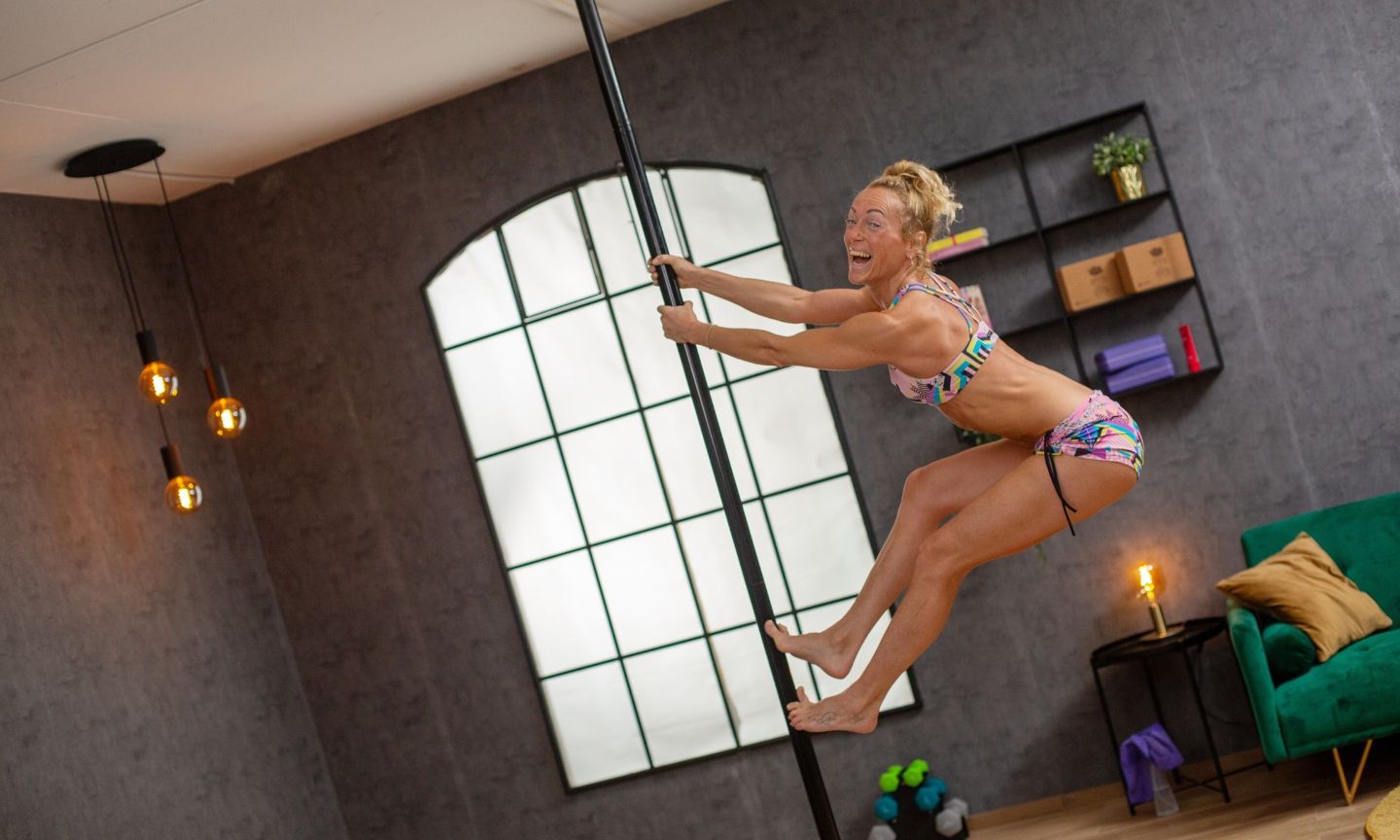
The styles of pole dancing today
Pole has never been just one thing. Most dancers move between styles, but these are the main ones:
| Style | What it focuses on | Typical look |
|---|---|---|
| Pole sport | Tricks, strength, flexibility, competition rules | Barefoot, shorts, clean lines |
| Pole art | Storytelling, choreography, music | Costumes, theatre, flow |
| Exotic | Sensual movement, floorwork, heels technique | Platform heels, flow, attitude |
| Pole fitness | Strength and conditioning through pole | Workouts, combos, progressions |
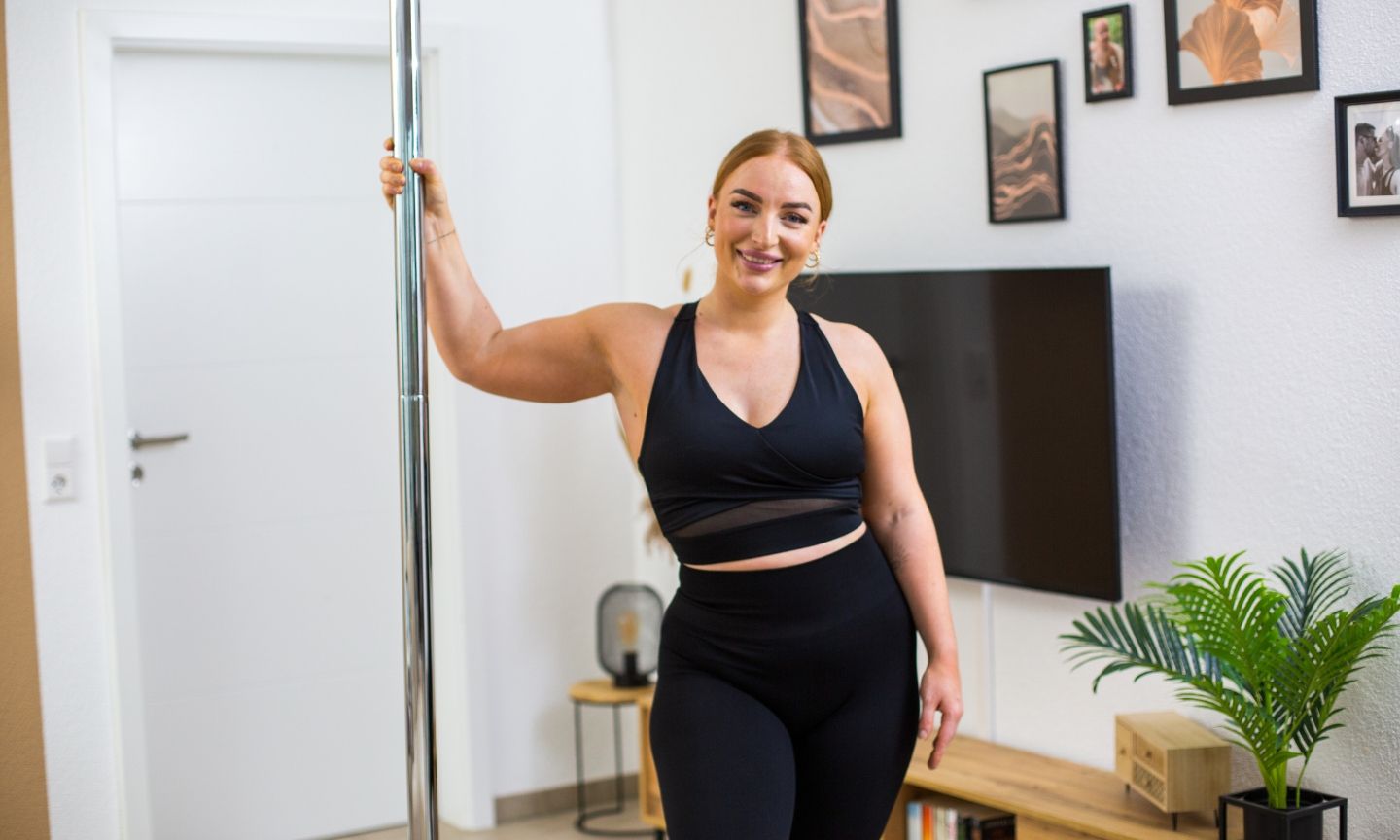
| Pole at home | All of the above, in your own space | Your living room, your pace |
If you want to dive deeper into one style, our glossary explains exotic pole dancing and pole dance heels, and our guide What Is Pole Dancing? covers the basics.
From the studio to the living room
The last chapter is still being written. Online classes made it possible to learn pole without a studio nearby, without a fixed timetable and without anyone watching. For many women that is exactly what made the first step possible.
At POLEPLACE you learn at home, step by step, with the 12-Week Starter Course and our Floor-Stand-Air Method™: every move on the floor first, then standing, and only then in the air. Pole sport, flow, exotic and heels all have their place in the library, because they all belong to pole.
FAQ
When did pole dancing start?
Using a pole for strength and acrobatics goes back centuries, for example in Indian mallakhamb and Chinese pole. Pole dancing as a dance form developed in the twentieth century, with the biggest steps in strip clubs and later in studios from the 1990s on.
Did pole dancing come from strip clubs?
Modern pole dance as a dance form largely did. Exotic dancers developed the spins, floorwork, transitions and heels technique that most classes teach today. Older pole traditions such as mallakhamb and Chinese pole influenced the strength side of pole.
What is the difference between pole fitness and pole dance?
Pole fitness puts the workout first: strength, conditioning and tricks. Pole dance includes the dance side too, with flow, musicality and styles such as exotic and pole art. Many dancers do both.
Is pole dancing a sport?
It can be. Pole sport has its own competitions and an international federation, founded in 2009, that received observer status from GAISF in 2017. For most people pole is a mix of sport, dance and self-expression.
Sources
- Wikipedia: Pole dance and Pole sports
- Wikipedia: Mallakhamb
- Pole Fitness Studio Las Vegas: Fawnia Mondey
- New Zealand Herald (2017): Pole dancing recognised by global sports body
What next?
Pole has a long history, and your part of it can start today. Watch our manifesto, then try the 12-Week Starter Course with 7 days free.
What next?
Start with Class 1 of our 12-Week Starter Course. Every move is taught with our Floor-Stand-Air Method™: on the floor first, then standing, then in the air.