

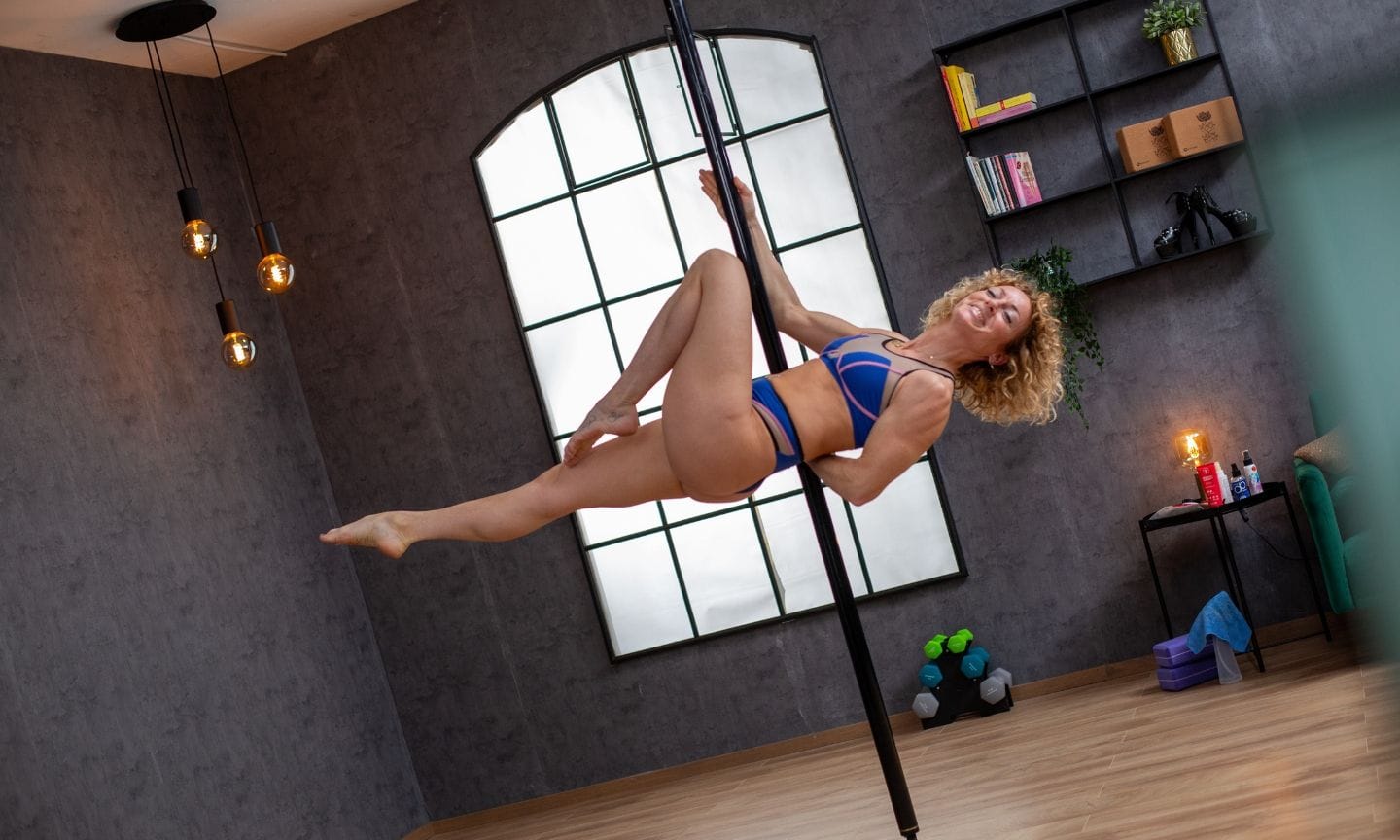
Short answer: Good pole dance aesthetics come from five details, not from harder tricks: keep your body tension, point your feet, relax your face, think about your angles and cut out unnecessary re-gripping. These small changes turn a series of moves into a dance, and they improve your technique along the way.
Are you ready to elevate your pole dancing aesthetics and wow the crowd with your moves? From maximizing body tension to perfecting your angles, these 5 quick tips will have you shining in your pole dancing routine in no time.
Why Improving Your Pole Dancing Aesthetics Matters
Improving your pole dancing aesthetics is about more than just looking good; it’s about the entire experience. When you focus on the visual aspect of your performance, you communicate the story and the emotion of your routine more effectively. It’s this connection that captivates an audience and leaves a lasting impression.
Moreover, refined aesthetics often correlate with improved technique. For instance, pointed feet and precise movements demonstrate control and can actually make your performance safer by engaging the correct muscles. This attention to detail can set you apart from others and can be the difference if you’re competing or performing. By enhancing your pole aesthetics, you’re also building confidence.
As you see your movements become more graceful and intentional, your self-assurance grows, further elevating your performance. Remember, pole dancing is an art form, and like any artist, you want your work to resonate and be memorable.
The Impact of Applying These Pole Dancing Tips
Applying these Pole Dancing Tips to your routine can have a transformative effect. When you start incorporating these improvements, you’ll notice enhanced fluidity and grace in your movements. This doesn’t just benefit your performance aesthetically; it also promotes a better understanding of body mechanics and spatial awareness. As you become more mindful of your posture and the positioning of your limbs, you’ll reduce the risk of injury and increase your overall stamina and strength.
In the world of pole dancing, precision and finesse speak volumes. By making these small yet significant changes, you’ll elevate the quality of your Pole Dancing Routine, turning it from a series of movements into a cohesive, expressive dance. These improvements will not only be apparent to you but will also be recognized and appreciated by your audience, be it in a class, a competition, or a casual performance. Taking these steps towards Pole Dancing Improvement shows a commitment to the craft that can inspire others and foster a sense of community among enthusiasts.
5 Tips to Enhance Your Pole Dancing Performance
Tip 1: The Role of Body Tension in Pole Dancing
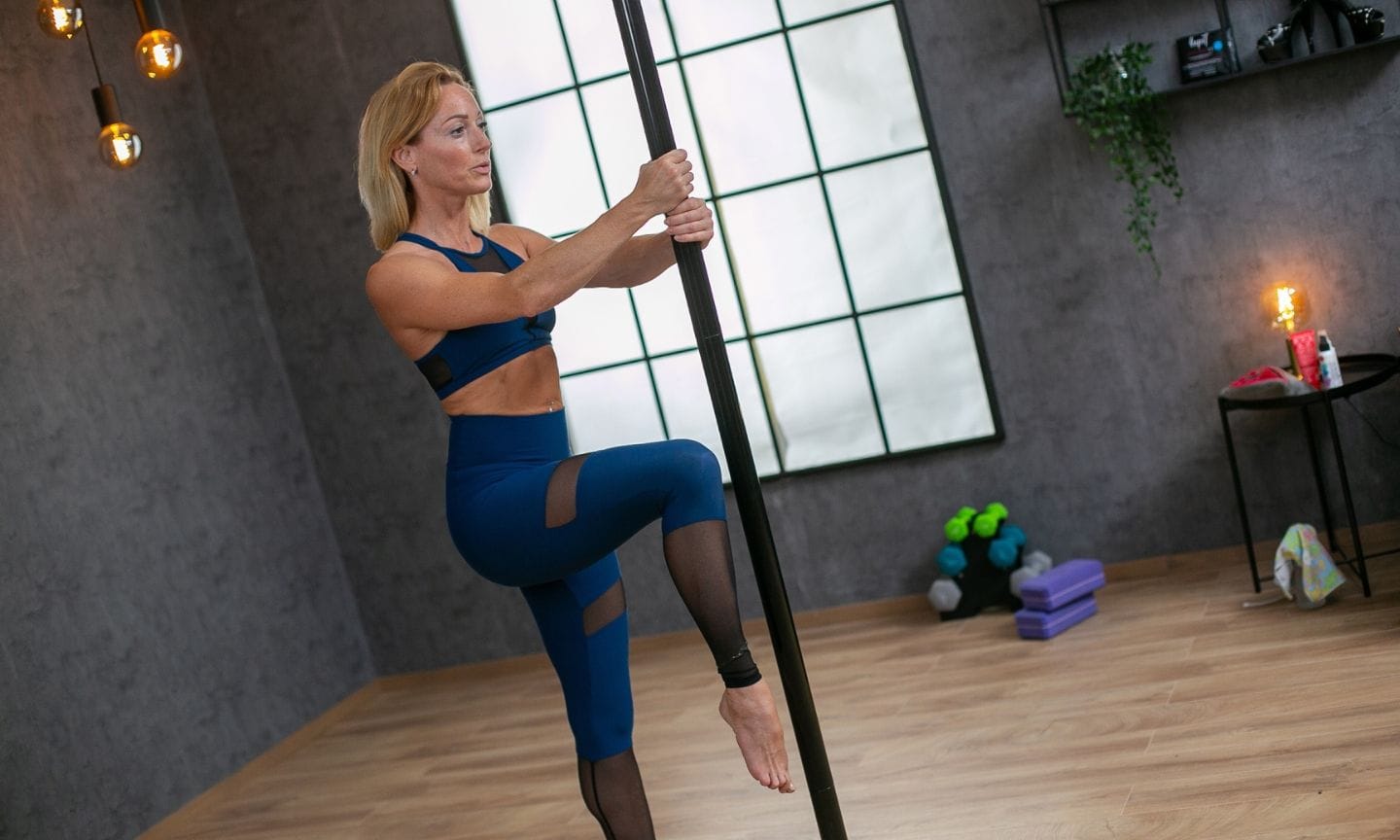
Body tension is a crucial element in the realm of pole dancing. It’s the invisible force that gives your movements a look of effortlessness and precision. By engaging your muscles and maintaining tension, you create lines that are visually striking and movements that are clean and deliberate. This control is especially important when performing holds or transitions, as it ensures stability and fluidity.
Think of body tension as the foundation of your Pole Dancing Routine. Without it, moves can appear sloppy or uncontrolled. With it, you exude strength and mastery. Moreover, proper body tension can enhance your stamina since it encourages efficient energy use. It’s not about rigidity; it’s about finding the balance between flexibility and strength. Applying this tip will lead to a noticeable Pole Dancing Improvement in both your technique and your aesthetics, helping you to perform with confidence and power. Our pole strength exercises help you build that tension off the pole.

Tip 2: The Art of Pointing Your Feet
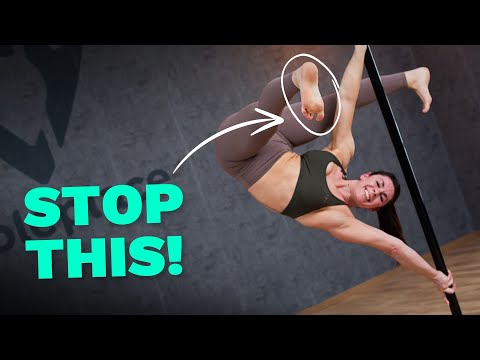
Pointing your feet is not just a detail; it’s an art that enhances the aesthetics of your pole dancing. This simple action can elongate your lines, making your legs look longer and your movements more elegant. When you point your feet, you activate the muscles in your legs, which can help with better control and stability in various poses and transitions.
Incorporating this tip into your Pole Dancing Routine signals a high level of polish and professionalism. It shows that you’re paying attention to the finer points of your performance, which can make a significant difference in how it’s perceived. Furthermore, the act of pointing your feet can become a trigger for overall body awareness, reminding you to maintain form and tension throughout your routine. As you practice this technique, it will become second nature, and your Pole Dancing Improvement will be evident not only to you but to everyone who watches you dance.

Tip 3: The Power of a Relaxed Face and Smile
A relaxed face and smile can be powerful in pole dancing, often making the difference between a good performance and a great one. Your facial expressions convey emotion and help to tell a story as you dance. A genuine smile can make difficult moves look effortless and more enjoyable, both for you and the audience. It’s a simple tip that can significantly improve your Pole Dancing Routine.
When you relax your face and smile, it can also help to relax your body, which in turn can improve your movements and make them more fluid. It’s important to practice this until it becomes natural, so that even when concentrating hard on your technique, you do not forget to engage with your audience. Remember, pole dancing is as much about the visual storytelling as it is about the physical execution. A well-timed smile can make your performance feel more engaging and personal, inviting the audience into your Pole Dancing world.

Tip 4: Optimizing Your Angles for a Fluent Dance
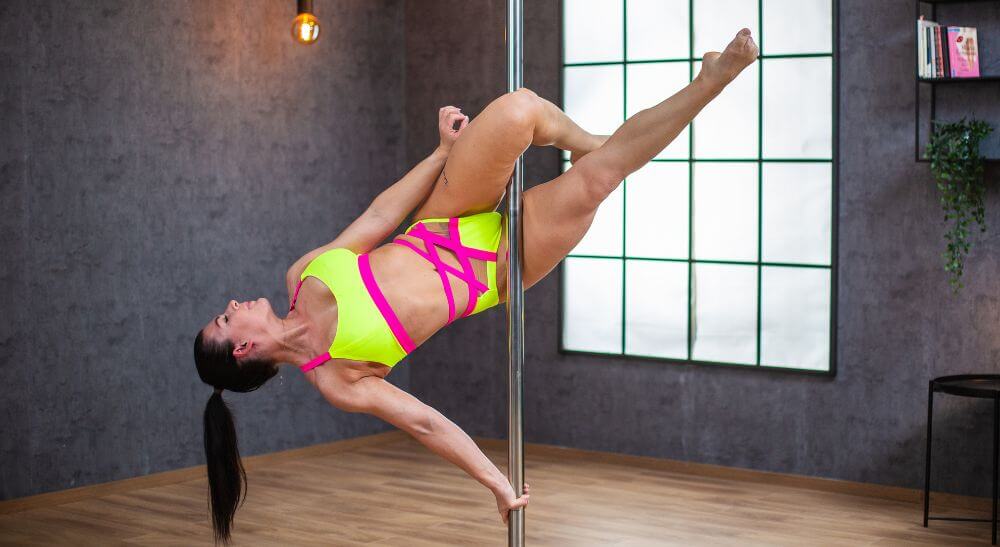
Optimizing your angles is a key aspect of creating a visually stunning pole dance performance. Angles can accentuate your movements, showcase your flexibility, and highlight the strength required for pole dancing. By being mindful of how you position your body in relation to the pole and the audience, you can craft a routine that looks both impressive and fluid.
Working on your angles involves practicing in front of a mirror or recording your performance to see how different positions look from the outside. It’s not just about the big moves; even the way you transition from one move to another can be refined by considering the angles you create with your body. This attention to detail will not only improve the overall look of your Pole Dancing Routine but will also help you understand which positions feel the most natural and powerful for your body. With practice, optimizing your angles will become an integral part of your Pole Dancing Improvement strategy, allowing for a dance that is both fluent and captivating. Plenty of moves to practice your lines on are in our pole dance moves library.
Tip 5: Minimizing Unnecessary Grip Adjustments for Efficiency
Minimizing unnecessary grip adjustments is essential for a smooth and efficient Pole Dancing Routine. Frequent re-gripping can interrupt the flow of your performance and can indicate a lack of confidence or preparation. By reducing these adjustments, you’ll create a more polished appearance and maintain the momentum necessary for a dynamic routine.
To minimize grip changes, focus on strengthening your grip through specific exercises and practicing your moves until you feel secure in your holds. It’s also helpful to plan your routine with transitions that naturally flow from one grip to the next. This approach not only improves the aesthetic of your dance but also conserves energy, allowing you to perform longer and with greater intensity. As you work on this aspect of your pole dancing, you’ll notice an overall improvement in your technique, making your performances more seamless and captivating. Remember, efficiency in movement is a hallmark of an experienced pole dancer. Which grips exist and when to use them is explained in pole dance grips.

Summarizing
To wrap up, these five Pole Dancing Tips are designed to improve not just the aesthetics of your performance but also its overall quality and safety. By focusing on body tension, you lay the foundation for strong and controlled movements. Pointing your feet adds elegance and helps with stability. A relaxed face and genuine smile make your performance more enjoyable and engaging, while optimizing your angles ensures that every move showcases your best form. Minimizing unnecessary grip adjustments keeps the flow of your routine seamless and efficient.
Implementing these tips into your Pole Dancing Routine will set you on a path of continuous improvement. It’s a journey that will see you not only evolve as a performer but also gain deeper appreciation and passion for the art of pole dancing. Remember, pole dancing is a powerful form of expression, and with dedication to refining your technique, you’re sure to captivate and inspire any audience.
FAQ
How can I make my pole dancing look more graceful?
Keep your body tension, point your feet, relax your face and pay attention to your angles. These details change how your dance looks more than any new trick.
Why should I point my feet in pole dancing?
Pointed feet lengthen the line of your legs and activate your leg muscles, which looks more elegant and gives you more control and stability in poses and transitions.
How do I know if my pole moves look good?
Practice in front of a mirror or film yourself. Seeing your angles and posture from the outside shows you quickly what to refine.
How do I connect moves into a smooth flow?
Plan transitions so one grip leads naturally into the next and avoid unnecessary re-gripping. Our Combinations program is built around linking moves.
What next?
Start with Class 1 of our 12-Week Starter Course. Every move is taught with our Floor-Stand-Air Method™: on the floor first, then standing, then in the air.